
Blooming
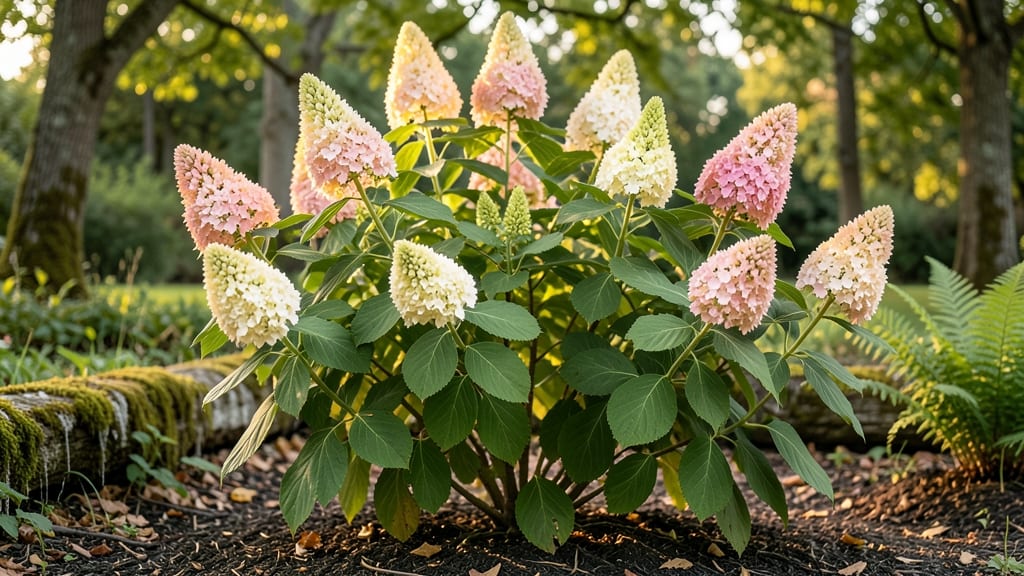
The hydrangea tree blooms in late spring to summer 🌸 — timing that shifts based on your variety and climate zone, but knowing the exact months can help you plan for a show-stopping display.
If you’ve ever waited eagerly for those lush clusters to appear, only to be left wondering why they’re late or sparse, you’re not alone. The truth is, bloom schedules aren’t set in stone; they’re influenced by everything from your local frost dates to how you prune.
In Zone 6a, where many gardeners live, most hydrangea trees burst into color between May and July, but Oakleaf varieties often bloom a little earlier, while Panicle types may linger into August. Meanwhile, warmer climates can push blooms forward or stretch them later into fall.
Below, I’ll break down the exact bloom windows for popular varieties, how to adjust for your region, and the simple steps to ensure your hydrangea tree puts on its best performance every year.
Hydrangea tree bloom times by popular varieties (exact months)
Predicting when your hydrangea tree will bloom isn't just about guessing—it's about knowing your variety and climate. Different hydrangea trees bloom at distinct times, often influenced by temperature shifts and bud formation patterns.
For example, some varieties burst into color as early as late April, while others wait until mid-July. Understanding these timelines helps you plan pruning, fertilizing, and even garden design around their peak beauty.
Most hydrangea trees follow a spring-to-summer bloom cycle, but the exact months vary. Oakleaf hydrangeas, for instance, often bloom in late spring, while panicle types might wait until early summer.
Leaf color changes and bud swelling are your best early warnings. For instance, purple-stemmed varieties like 'Annabelle' develop tight buds in early spring, signaling blooms just weeks away.
Here’s a quick reference for 10 popular hydrangea tree varieties and their typical bloom times, including key visual cues to watch for:
If you’re in USDA Zone 5 or colder, expect blooms to arrive 2–4 weeks later due to slower spring warming. For example, Oakleaf hydrangeas in Zone 5 might not bloom until early June, while the same variety in Zone 8 could start as early as mid-May.
Always monitor bud formation—tight, green buds mean blooms are just weeks away.
For reblooming varieties like 'Endless Summer,' timing is critical. Prune these trees in late winter or early spring to encourage new growth and a second flush of blooms in late summer.
If you miss this window, you might sacrifice those September flowers. Pro tip: Mark your calendar for mid-June—this is when many hydrangeas start their second bloom cycle if conditions are
How climate zones shift hydrangea tree bloom timing (USDA map guide)
Your hydrangea tree bloom timing isn't just about luck—it's tied to your USDA hardiness zone. In Zone 5, expect blooms as early as late May, while Zone 9 gardeners often see flowers in July or August.
These shifts happen because cold-sensitive varieties need warmer soil temperatures to break dormancy, while heat-tolerant types delay until cooler fall approaches.
The Pacific Northwest presents a unique exception where mild winters can cause late spring blooms (June), while Deep South zones may experience heat shock that delays flowers until September. Understanding these patterns helps you avoid pruning at the wrong time or missing the perfect bloom window.
🌱
In Zone 5+, early bloomers like Panicle hydrangeas (e.g., 'Little Lime') often emerge in late May because they require fewer chill hours to break dormancy. These varieties thrive in cooler climates and can handle light frosts after blooming.
For gardeners in Zone 8-9, late bloomers such as Oakleaf hydrangeas ('Snow Queen') typically wait until July because they need warmer soil to stimulate growth.
One critical mistake is assuming all hydrangeas follow the same schedule. For example, 'Annabelle' blooms in June across most zones, but 'PeeGee' may delay until July in hotter southern zones due to heat stress. Always check your specific variety's USDA zone recommendations before planting.
To encourage blooms, monitor your local last frost date and adjust watering—deep soaks in early spring help roots establish before buds form. In Zone 9+, provide afternoon shade to prevent heat shock, which can cause buds to drop before opening.
If your hydrangea tree blooms too late, it might be struggling with poor drainage or nutrient deficiencies. Test your soil pH—most hydrangeas prefer 5.5-6.2—and amend with peat moss or sulfur if needed. With the right zone-specific care, you'll enjoy predictable, stunning blooms every season.
🌿