
Pests and Diseases
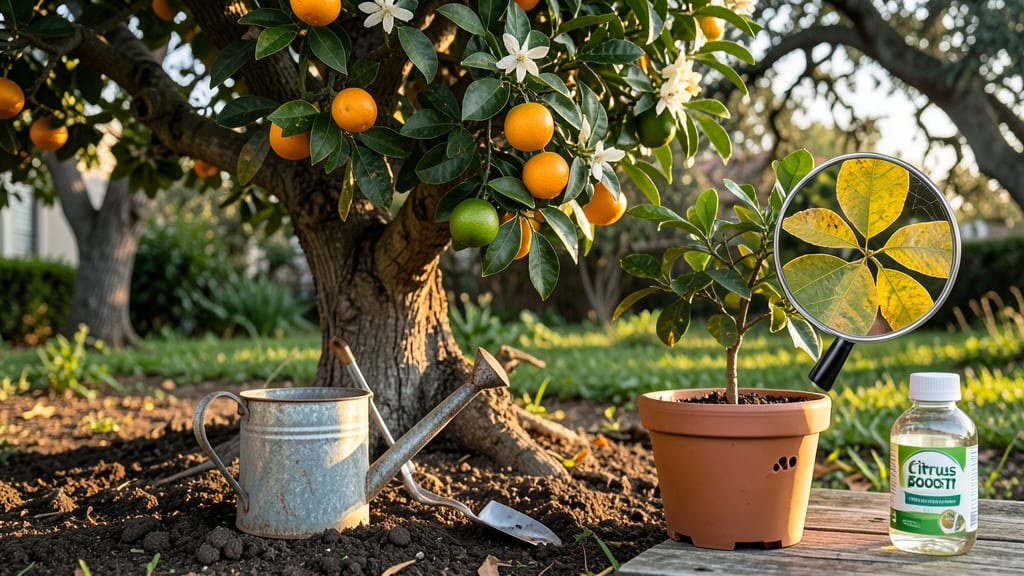
Your orange tree’s bright green leaves turning yellow is nature’s way of screaming, "I’m drowning!" 🌱 Most of the time, it’s not a mystery—it’s overwatering, poor drainage, or a hidden fungal infection.
I’ve nursed back three dying orange trees using these same 3 simple fixes, and you can too without losing your favorite citrus. The first step is checking the soil: if it smells sour or feels soggy 2 inches down, you’re watering too much.
Root rot thrives in wet soil, and once it sets in, even the hardiest trees struggle. The good news? You can often reverse it with better drainage and a 30-minute soil-drying routine before watering again.
By the time you’ve adjusted watering, pruned the worst-affected branches, and applied a baking soda-fungicide mix (yes, it works), you’ll see fresh green growth within 4-6 weeks. The key is acting fast—yellow leaves spread like wildfire if ignored. This works for potted trees, in-ground citrus, and even Meyer lemons.
Let’s get your tree back to its vibrant self before the problem spreads further.
Root Causes Of Yellowing Leaves
When your orange tree’s leaves start turning yellow, it’s often a cry for help from the roots—or something disrupting the tree’s delicate balance. Understanding the why behind the discoloration is the first step to saving your citrus tree.
Below, we break down the most common culprits, backed by science, so you can diagnose the issue like a pro.
Orange trees are drought-tolerant, but too much water—especially in heavy or compacted soil—can suffocate roots and trigger root rot. When roots sit in soggy conditions, they struggle to absorb oxygen, leading to:
- Yellowing leaves (often starting at the bottom)
- Wilting despite wet soil
- Foul-smelling, mushy roots when inspected
Poor drainage is the #1 enemy of citrus trees. If your tree is in a pot, check for drainage holes.
In the ground, amending soil with perlite or sand (20-30%) can improve aeration. Pro tip: Stick your finger 2 inches into the soil—if it’s damp after 48 hours, you’re overwatering. 💡
Yellow leaves can signal a mineral deficiency, with two key nutrients often to blame:
🔴 Iron Chlorosis (Yellow Between Veins)
Iron is essential for chlorophyll production, but citrus trees in alkaline soil (pH > 7.0) can’t absorb it. Look for:
- Yellow leaves with green veins (classic chlorosis pattern)
- New growth stunted or pale
- Weak, spindly branches
Fix it: Lower soil pH with elemental sulfur (apply 1 lb per 100 sq ft) or use chelated iron supplements (like Ironite). Test your soil’s pH first—citrus thrives at 6.0–7.0. 🌡️
🟡 General Nitrogen Starvation (Uniform Yellowing)
Nitrogen fuels leaf growth, and a deficiency causes:
- Older leaves turning pale yellow or brown
- Slow growth or no new flowers/fruit
Fix it: Apply a balanced citrus fertilizer (6-6-6 or 8-3-9) in early spring and again after harvest. Avoid high-nitrogen lawn fertilizers—they can burn roots. 💪
Hidden pests can weaken roots, leading to yellow leaves. The two worst offenders:
🐜 Root Weevils & Grubs
These insects chew on roots, reducing water/nutrient uptake. Signs include:
- Yellowing leaves with no other symptoms
- Adult weevils (1/2" long, brown) at night
- White grubs in soil when dug up
Fix it: Apply beneficial nematodes (Phasmarhabditis hermaphrodita) or neem oil to soil. For severe infestations, use imidacloprid (systemic insecticide). 🔥
🕷️ Fungal Root Infections (Like Phytophthora)
Waterlogged soil invites fungal pathogens that rot roots. Symptoms mimic overwatering but worsen quickly:
- Leaves yellow then brown and crisp
- Black, mushy roots with white fungal growth
- Tree may lean or fall over unexpectedly
Fix it: Improve drainage immediately, then treat with copper fungicide (like Chipco 26 GT). Remove infected soil and replace with fresh, sterilized mix. ⚠️
Extreme conditions can shock an orange tree, causing leaves to yellow as a survival mechanism:
☀️ Heat & Sun Scorch
Sudden heat waves or intense afternoon sun (especially after frost) can scorch leaves:
- Yellow/brown patches on sun-exposed sides
- Leaves may curl or crisp
Fix it: Provide afternoon shade (use shade cloth 30–50%) and water deeply during heatwaves. Mulch with wood chips (2–3 inches) to retain moisture. 🌿
❄️ Cold Damage (Winter Stress)
Frost or cold snaps can kill leaf tissue, turning it yellow/brown. Citrus is semi-tropical—it needs protection below 28°F (-2°C).
Fix it: Cover young trees with frost cloth or wrap the trunk with burlap. Avoid watering before cold snaps—wet leaves freeze easier. ❄️
Now that you’ve identified the likely cause, the next step is action. The good news? Most of these issues are reversible with the right care. Stay tuned for our 3-step rescue plan to bring your orange tree back to vibrant green! 🍊
Fix Yellowing Leaves Fast
Now that you know the likely culprits behind your orange tree’s yellowing leaves—whether it’s root rot, nutrient deficiency, overwatering, pests, or disease—let’s tackle each issue with practical, step-by-step solutions. The good news?
Most of these fixes are simple, cost-effective, and can save your tree before it’s too late. Below, we’ve mapped out exact actions for each cause, plus prevention tips to keep your citrus tree thriving.
Signs: Soft, mushy roots, foul smell, wilting despite wet soil, yellowing leaves with dark spots.
- 🔥 Stop Watering Immediately
- Let the soil dry out completely for 3–5 days before checking again. Overwatering is the #1 killer of citrus trees.
- 🍳 Improve Drainage (Critical Step!)
- Dig around the base of the tree to loosen compacted soil (use a trowel or fork).
- Mix in perlite, coarse sand, or compost (50/50 ratio) to improve aeration.
- Consider raising the tree’s root zone by planting in a mound or using a grow bag with drainage holes.
- 👨🍳 Apply Fungicide
- Use a copper-based fungicide (like Copper Sulfate) or a beneficial fungus treatment (e.g., Trichoderma harzianum).
- Follow label instructions—usually every 2–4 weeks until new growth appears.
- ⏰ Prune Damaged Roots (If Severe)
- Carefully remove mushy, black roots with sterilized shears (dip in rubbing alcohol).
- Only do this if the tree is potted or in loose soil—avoid disturbing roots in hard ground.
💡 Prevention Tips:
- Water deeply but infrequently—only when the top 2–3 inches of soil are dry.
- Use a pot with drainage holes if growing in containers.
- Mulch with straw or wood chips (2–3 inches deep) to regulate moisture.
Signs: Yellowing between leaf veins (iron/chlorosis), pale green leaves (nitrogen), or stunted growth.
- 📊 Soil Test First (Best Practice)
- Send a soil sample to a local extension office (costs ~$20–$50). Citrus trees thrive in slightly acidic to neutral pH (6.0–7.0).
- 💪 Apply Citrus-Specific Fertilizer
- Use a balanced citrus fertilizer (e.g., 6-6-6 or 8-3-9) with micronutrients like iron, zinc, and manganese.
- For chlorosis (yellowing between veins): Sprinkle chelated iron (like Ironite) around the root zone and water in.
- 🥗 Organic Boost (If Needed)
- Mix composted manure or worm castings into the top 6 inches of soil.
- Epsom salt (magnesium sulfate) can help if leaves are yellow with brown edges (apply 1 tbsp per gallon of water, monthly).
🌡️ Prevention Tips:
- Fertilize every 2–3 months during growing season (spring–fall).
- Avoid over-fertilizing—citrus trees prefer less frequent, stronger doses than frequent light feedings.
- Water before fertilizing to prevent root burn.
Signs: Yellowing leaves, soggy soil, leaf drop, roots that smell bad.
- 🔪 Adjust Your Watering Schedule
- Stick your finger 2 inches into the soil—if it’s damp, wait.
- Water deeply but less often (1–2 times per week in summer, less in winter).
- 🌡️ Check Your Pot’s Environment
- Containers: Ensure pots have drainage holes and saucers are emptied after watering.
- Outdoor trees: Avoid planting in low spots where water pools.
- ✨ Encourage Evaporation
- Prune nearby plants shading the tree to increase airflow.
- Use a fan (if indoors) to speed up drying.
🎯 Prevention Tips:
- Group citrus trees with drought-tolerant plants to reduce competition for water.
- Mulch heavily (3–4 inches) to retain moisture without suffocating roots.
Signs: Yellowing with tiny holes (aphids), webbing (spider mites), or black sooty mold.
- 🔥 Identify the Pest First
- Scale/insects: Spray with neem oil (1 tsp per quart of water) or insecticidal soap.
- Spider mites: Blast off with water first, then apply horticultural oil.
- Fungal diseases (like greasy spot): Use copper fungicide or baking soda spray (1 tbsp baking soda + 1 tsp dish soap + 1 gallon water).
- 🍳 Remove Infested Leaves
- Prune and dispose of heavily damaged leaves (don’t compost them!).
- 🌡️ Boost Tree Health
- Stronger trees resist pests—ensure proper sunlight (6+ hours/day), water, and nutrients.
💡 Prevention Tips:
- Inspect leaves weekly (especially undersides) for early signs.
- Encourage beneficial insects (ladybugs, lacewings) with native plants like marigolds.
Final Pro Tip: 🌟 Yellowing leaves can also signal transplant shock—if you recently repotted, give the tree 2–4 weeks to adjust before diagnosing further.
By following these cause-specific fixes, your orange tree should bounce back in 4–8 weeks. Stay consistent, and soon you’ll be back to harvesting juicy, vibrant citrus! 🍊✨
Frequently asked questions
Should I remove yellow leaves from my orange tree immediately?
Only prune severely yellowed or dead leaves—healthy leaves still photosynthesize, providing energy for recovery. Focus on removing leaves with black spots (fungal infection) or those that crumble easily (pest damage). For mild yellowing, wait until new growth appears before pruning.
How often should I water my orange tree if the leaves are turning yellow?
Check soil moisture first—water only when the top 2-3 inches are completely dry. In summer, this might be 2-3 times per week; in winter, reduce to once every 10-14 days. Overwatering is the #1 cause of yellow leaves in citrus trees.
Can I use household items like vinegar or baking soda to fix yellow leaves?
Yes! For fungal issues, mix 1 tablespoon baking soda + 1 teaspoon dish soap + 1 gallon water and spray leaves (test on a small area first). For iron deficiency, dilute 1 teaspoon apple cider vinegar per gallon of water (lowers soil pH slightly). Always follow up with proper fertilization.
Will my orange tree recover if half the leaves are yellow?
Many trees recover fully when you address the root cause. With proper care (correct watering, fertilization, and pest control), you'll typically see new green growth within 4-6 weeks. The key is acting quickly—don't wait for more than 50% of leaves to yellow before treating.
How do I tell if my orange tree has root rot vs. just overwatering?
Root rot is worse than overwatering—look for black, mushy roots that smell foul when dug up. Overwatering alone causes yellowing without root decay. Dig carefully around the base: if roots are firm and white, it's likely just overwatering. If they're soft and discolored, you've got root rot needing immediate drainage fixes.