
Diseases
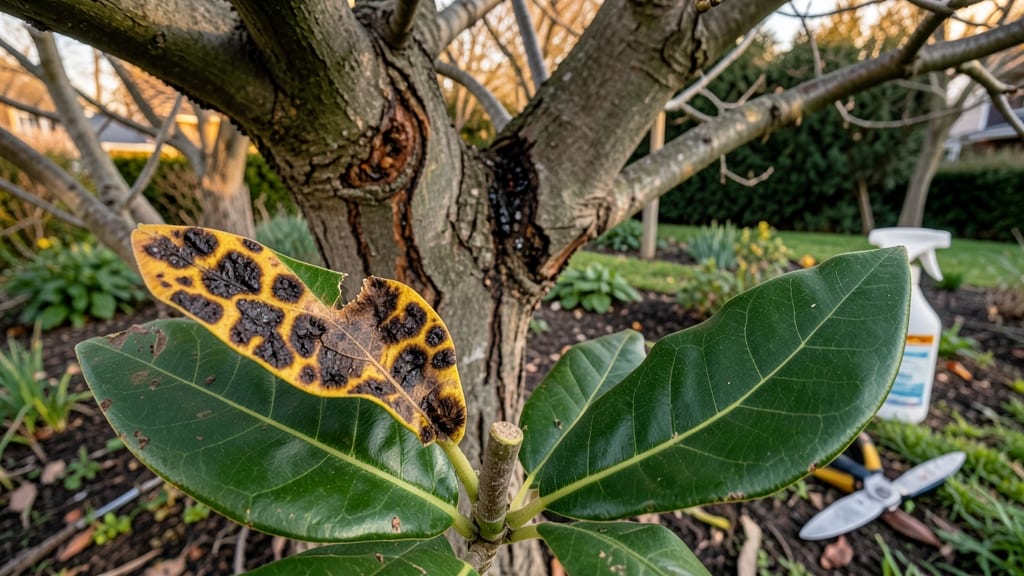
When your brown magnolia tree diseases turn leaves crispy and sad, it’s not just a visual bummer—it’s a clear sign your tree is fighting something serious. 🌿 I’ve seen anthracnose, powdery mildew, and even bacterial blight turn once-vibrant magnolias into sad shadows, but the good news?
Most of these issues have organic fixes that actually work if you catch them early.
The biggest culprits are fungal infections like anthracnose, which thrives in wet spring weather, and powdery mildew, that ghostly white dust that’s actually a fungus. Then there’s bacterial leaf spot, which causes dark, water-soaked patches that spread fast.
Don’t forget environmental stress—too much sun, poor drainage, or even a sudden drought can trigger browning too.
With the right mix of pruning, fungicide sprays (neem oil or copper-based), and a little TLC for soil health, you can bring your magnolia back to life. I’ve nursed trees from nearly dead to blooming again—it’s all about timing, patience, and knowing what to look for on those leaves.
If the browning spreads to the branches or the trunk starts oozing, it’s time to call an arborist. But for most cases, you’ve got this—let’s get your magnolia thriving again before next spring’s bloom season.
Root Causes Behind Leaf Discoloration
When your Magnolia grandiflora starts turning brown, it’s rarely a random act of nature—it’s a stress signal from the tree. Understanding the why behind these symptoms is the first step to restoring your tree’s health.
Below, we break down the primary biological and environmental triggers that cause brown magnolia tree diseases, explained in clear, actionable terms.
Fungi thrive in warm, humid conditions and are the most common culprits behind brown magnolia leaves. These microscopic organisms don’t just appear—they infect through wounds, weak spots, or even healthy tissue if conditions are right.
- Anthracnose (Gloeosporium spp.): This fungal disease causes brown, sunken lesions on leaves, often with yellow halos. It spreads via splashing rainwater or infected tools, targeting young, tender leaves first.
- Target Spot (Corynespora cassiicola): Circular brown spots with dark red or purple rings appear, eventually merging. It loves high humidity and poor air circulation, making dense magnolia foliage a perfect breeding ground.
- Powdery Mildew (Oidium spp.): While less aggressive, it coats leaves in a white, powdery film that later turns brown and crispy. It thrives in shady, damp conditions where airflow is restricted.
💡 Pro Tip: Fungal spores overwinter in fallen leaves or bark. Raking and removing debris in early spring disrupts their lifecycle before they spread.
Magnolias are not drought-tolerant, but they also hate soggy roots. Water-related stress triggers brown leaves through two main pathways:
| Issue | How It Happens | Visual Clues |
|---|---|---|
| Underwatering | Shallow roots dry out, limiting nutrient uptake. The tree prioritizes survival by shedding leaves to conserve water. | Uniform brown crispy edges (like paper), starting on older leaves. |
| Overwatering | Waterlogged soil cuts off oxygen to roots, causing root rot (often from Phytophthora). The tree can’t absorb water or nutrients, leading to chlorosis (yellowing) followed by browning. | Brown, mushy leaves with yellow patches. Roots may smell rotten if inspected. |
| Poor Drainage | Heavy clay or compacted soil traps water near roots, even if you’re not overwatering. Magnolias hate wet feet—their roots need aeration. | Brown leaves clustered at the base of the tree (where water pools). |
🔥 Action Step: Stick your finger 2–3 inches into the soil. If it’s dry, water deeply. If it’s soggy, hold off until it drains. For poor drainage, amend soil with compost or sand to improve structure.
Magnolias are heavy feeders, especially in acidic, nutrient-poor soils. When they lack key elements, leaves turn brown as a distress signal. Here’s what to watch for:
- Nitrogen (N) Deficiency: Yellowing between leaf veins (chlorosis) that progresses to brown, brittle leaves. Nitrogen fuels leaf growth—without it, old leaves die first.
- Iron (Fe) Deficiency: Yellowing with brown spots on new leaves (a classic lime-induced chlorosis if soil pH is too high). Magnolias need acidic soil (pH 5.0–6.0) to absorb iron.
- Potassium (K) Deficiency: Brown edges or “scorch” on older leaves, often with weak stems. Potassium regulates water and disease resistance.
🌡️ Soil Test First: Before fertilizing, test your soil’s pH and nutrient levels. Magnolias often need organic matter (compost, peat moss) or a slow-release fertilizer (like 10-10-10) in early spring.
Insects and mites skeletonize, chew, or suck sap from magnolia leaves, leaving behind brown patches, holes, or stippled damage. The most aggressive culprits:
- Magnolia Scale: Tiny, brown, armored insects that cluster on stems and undersides of leaves. They excrete honeydew, which attracts sooty mold (a black fungus that further stresses the tree).
- Spider Mites: Tiny yellow or brown specks on leaves, often with fine webbing. They thrive in dry, hot conditions and pierce cells, causing brown, stippled patches.
- Japanese Beetles: Skeletonized leaves (only the veins remain) with chewed edges. Adult beetles feed in mid-summer, while larvae attack roots.
🔪 Immediate Action: Blast pests off with a strong stream of water or apply neem oil (a natural miticide) in the evening to avoid harming bees. For scale, scrub infested areas with soapy water.
Magnolias are tropical natives—they struggle with sudden temperature swings or harsh conditions. Here’s how the environment turns leaves brown:
- Winter Desiccation: Dry winter winds + frozen ground = roots can’t supply water to leaves. Edge browning (like a paper burn) appears on exposed sides of the tree.
- Heat Stress: Temperatures above 90°F (32°C) cause leaf scorch—brown patches on sun-exposed leaves, often with crispy edges.
- Salt or Chemical Burn: Road salt, de-icers, or herbicides (even from neighboring yards)
Revive Your Magnolia: Step-by-Step Fixes
Reviving a browned magnolia tree starts with identifying the root cause—but once you know what’s ailing it, the fixes are often simpler than you think. Below, we map each common disease or stress factor to practical, organic solutions that restore health and prevent future damage.
Think of this as your magnolia’s emergency first aid kit!
Fungal diseases thrive in damp, shady conditions, turning leaves brown and brittle. Here’s how to kick them out for good:
🔥 Treat the Fungus
- Prune aggressively: Remove all infected leaves, branches, or twigs (even small ones). Bag and dispose of them in the trash—not the compost!
Fungi can survive in compost piles. - Apply neem oil spray: Mix 1 tbsp neem oil + 1 tsp baking soda + 1 quart water in a spray bottle. Apply to both sides of leaves in the early morning or evening (avoid direct sun).
Reapply every 7–10 days until new growth appears. - Baking soda wash: For a quick fix, spray leaves with a solution of 1 tsp baking soda + 1 quart water + a few drops of dish soap.
This raises leaf pH, making it harder for fungi to latch on.
🌡️ Prevent Future Outbreaks
- Improve airflow: Thin out dense branches to reduce humidity around the tree.
- Water at the base: Avoid overhead watering—use a soaker hose or drip irrigation to keep leaves dry.
- Mulch properly: Apply 2–3 inches of organic mulch (like pine straw or shredded leaves) 3 inches away from the trunk to regulate soil moisture.
Brown, crispy leaves can signal underwatering or scorching heat. These fixes hydrate and protect your tree:
💦 Rehydrate the Roots
- Deep watering: Water slowly and deeply (1–2 inches per week) using a soaker hose or by digging a 6-inch-deep trench around the root zone.
Let the water seep in for 30–60 minutes. - Mulch like a pro: Spread 4–6 inches of mulch (wood chips or straw) over the root area to retain moisture and cool the soil.
Keep mulch away from the trunk to prevent rot. - Shade cloth: If your magnolia is in a hot, exposed spot, drape lightweight shade cloth (30–50%) over it during peak sun (10 AM–4 PM) for 2–4 weeks while it recovers.
🌡️ Beat the Heat
- Morning watering: Water before 9 AM to reduce evaporation and give roots a drink before the day heats up.
- Avoid fertilizing in summer: Fertilizer burns can stress the tree further.
Wait until early spring or fall to feed. - Group plants strategically: Plant taller, leafy shrubs (like hydrangeas or azaleas) nearby to create a natural windbreak and reduce heat stress.
Pests sap nutrients from leaves and bark, leading to browning. Smother them organically with these methods:
🔪 Eliminate Infestations
- Horticultural oil spray: Mix 1% horticultural oil (like Neem Bliss) with water and spray thoroughly on all surfaces (top and bottom of leaves, bark). Repeat every 7–10 days for 3–4 weeks.
Best done in cool weather (50–85°F). - DIY insecticidal soap: Combine 2 tbsp castile soap + 1 quart water. Spray directly on pests—reapply after rain. - Beneficial insects: Release ladybugs or lacewings (available at garden centers) to eat spider mites and scale naturally.
🛡️ Pest-Proof Your Tree
- Inspect regularly: Check for sticky residue (honeydew), tiny webs, or tiny bumps on bark (scale).
Catch pests early! - Remove debris: Clear fallen leaves and branches near the tree—pests love to hide there. - Encourage predators: Plant marigolds, dill, or fennel nearby to attract pest-eating insects.
If the soil is soggy, roots may be drowning. Drainage and aeration are critical:
🚰 Drain & Aerate
- Test your soil: Stick a wooden skewer in the ground—if it comes out muddy, you’re overwatering.
Aim for well-draining soil (amend with compost or perlite if needed). - Raise the tree (if possible): If planted in a low spot, mound extra soil around the base to improve drainage. - Avoid waterlogging: Ensure gutter downspouts direct water away from the tree’s root zone.
🌱 Revive Stressed Roots
- Reduce watering: Let the top 2 inches of soil dry out between waterings.
- Apply mycorrhizal fungi: Sprinkle mycorrhizal powder (like MycoApply) on roots to boost beneficial fungi that aid recovery.
- Aerate compacted soil: Use a garden fork to poke holes around the root zone to improve oxygen flow.
- 🌿 Trim in late winter: Prune dead or crossing branches when the tree is dormant (Feb–March) to reduce stress. - 🍄 Feed smart: Use organic, slow-release fertilizer (like fish emulsion or compost tea) in early spring—avoid high-nitrogen fertilizers, which burn roots. - 🌧️ Monitor weather: After heavy rain or storms, check for new browning and adjust care accordingly. - 📅 Calendar check: Brown magnolias often shed leaves in fall—don’t panic!
Wait until spring to assess true damage.
Remember: Patience is key—some magnolias take weeks to months to bounce back. Stick with these fixes, and your tree will regain its lush, glossy green in no time! 🌳✨
Frequently asked questions about brown magnolia tree diseases
Why do magnolia leaves turn brown in patches but stay green in others?
This is often a sign of target spot fungus or anthracnose, which attack specific leaves while sparing others. The brown patches with dark rings are classic symptoms of these fungal infections, especially after wet spring weather. Prune infected leaves immediately and apply neem oil spray to stop the spread.
Can I save my magnolia if half the leaves are already brown?
Yes, but act fast! First, determine if it's fungal (like powdery mildew) or environmental (drought/heat stress). For fungi, prune all brown leaves and apply baking soda spray. For stress, deep water the roots and mulch heavily. Most magnolias recover within 4-6 weeks with proper care.
Is brown magnolia leaf a sign of overwatering or underwatering?
Check the soil first: Mushy, yellow-brown leaves with soggy roots = overwatering (likely root rot). Crispy, dry edges with dry soil = underwatering. Magnolias need 1-2 inches of water weekly but hate soggy roots—amend clay soil with compost to improve drainage.
Will cutting back all brown branches kill my magnolia?
No, but prune strategically! Only remove dead or severely diseased branches—healthy green growth can recover. Never cut more than 25% of the canopy at once. The best time to prune is late winter when the tree is dormant, but you can do light pruning anytime to remove dead wood.
How do I know if my magnolia's brown leaves are from disease or pests?
Look closely: Fungal diseases cause spots with halos or powdery coatings. Pests (like spider mites or scale) leave stippled patterns, webbing, or sticky residue. Check leaf undersides and stems—pests often hide there. A magnifying glass helps spot tiny insects.