
How To
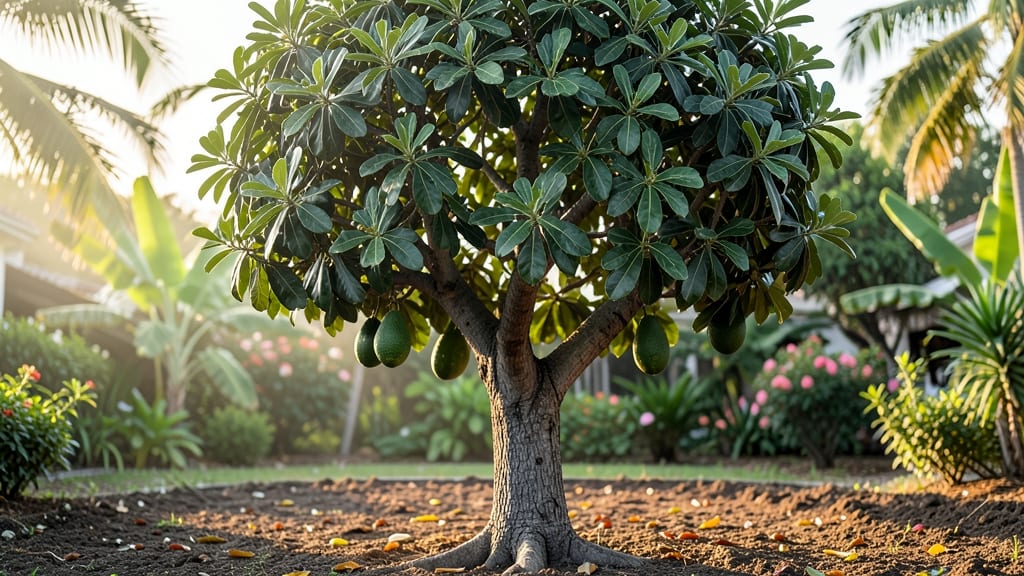
An avocado tree grows to how tall does avocado tree grow heights between 15 and 80 feet, depending on the variety and growing conditions 🥑 — but that doesn’t mean you need a backyard the size of a football field to enjoy your own homegrown fruit.
Dreaming of fresh avocados straight from your backyard but worried about limited space? The height of an avocado tree can vary dramatically—from compact dwarf varieties to towering giants—meaning you might not need an acre to grow your own.
For example, the 'Wurtz' or 'Little Cado' varieties stay under 15 feet tall, making them perfect for small gardens or even large containers. Meanwhile, standard Hass trees can reach 50 to 80 feet if left unpruned, which is why choosing the right variety is the first step to success.
In this guide, I’ll break down how height varies by type, how to control growth with pruning, and whether you can even grow one indoors—plus the key factors that determine whether your tree stays small or shoots for the sky.

Avocado tree height by variety: from dwarf to giant sizes
If you’ve ever dreamed of plucking a ripe avocado straight from your backyard tree, you’re not alone—but the height of an avocado tree can be a game-changer for your space. Some varieties stay as short as a 6-foot shrub, while others tower over 80 feet like a skyscraper.
The good news? You don’t need a jungle to grow avocados. The right variety can fit even the coziest urban patio or small garden.
Avocado trees fall into three main height categories: dwarf (6–10 ft), semi-dwarf (15–25 ft), and standard (30–50+ ft). Your choice depends on your space, climate, and whether you’re growing in containers or in the ground.
Let’s break down the most popular varieties and their mature sizes so you can pick the perfect fit for your growing space.
📊 Summary Table: Avocado Tree Heights by Variety
| Variety | Mature Height (ft) | Best For | Space Needs |
|---|---|---|---|
| Wurtz | 6–10 ft | Containers, small yards | 5–10 sq ft |
| Little Cado | 8–12 ft | Balconies, patios | 10–15 sq ft |
| Bacon | 10–15 ft | Small gardens, urban lots | 15–20 sq ft |
| Fuerte | 15–25 ft | Backyards, large containers | 25–30 sq ft |
| Hass (Standard) | 30–50+ ft | Rural properties, orchards | 50+ sq ft |
| Mexicola | 20–30 ft | Subtropical climates | 30–40 sq ft |
Dwarf varieties like Wurtz and Little Cado are the superstars of small-space gardening. These trees top out at just 6–12 feet, making them ideal for containers or tight backyards. I’ve grown a Wurtz in a 20-gallon pot on my patio, and it’s thrived with regular pruning and full sun.
The trade-off? Smaller fruit yields, but the convenience of fresh avocados year-round is worth it.
For those with a bit more room, semi-dwarf varieties like Fuerte or Bacon strike a balance. They reach 15–25 feet at maturity, perfect for backyard orchards or large containers. These trees produce more fruit than dwarfs and are easier to manage in USDA Zone 9b–11.
If you’re in a cooler zone, opt for container growing and move the pot indoors during winter.
Standard varieties, like the iconic Hass, are the giants of the avocado world. Left unpruned, they can soar to 50–80 feet, rivaling the height of a 3-story building. These are best suited for rural properties or orchards with ample space.
If you’re set on a Hass but have limited room, aggressive pruning can keep it under 20 feet, though fruit production may decrease.
One common question I hear is, “Can avocado trees grow indoors?” The short answer? Yes, but with limits. Dwarf varieties like Wurtz or Little Cado can thrive near a south-facing window with supplemental grow lights.
However, they’ll need large containers (at least 15–20 gallons) and consistent care to mimic outdoor conditions. Indoor trees won’t grow as tall as their outdoor counterparts, but they can still produce fruit with patience and attention.
Another factor to consider is growth rate. Avocado trees are slow growers, especially in their first few years. A container-grown dwarf variety might only gain 1–2 feet per year, while an in-ground standard tree could grow 3–5 feet annually under ideal conditions.
Plan ahead by choosing a variety that aligns with your patience level and space constraints.
Pruning plays a huge role in controlling height. Regular pruning not only keeps your tree manageable but also encourages fruit production by redirecting energy to the branches. I recommend pruning in late winter or early spring before new growth begins.
Remove any dead or crossing branches, and thin out the canopy to improve airflow. For container trees, prune more aggressively to maintain compact growth.
Before you plant, check your local climate zone. Avocados thrive in USDA Zones 9b–11, where frost is rare. In cooler zones (like Zone 8a), grow your tree in a container and bring it indoors when temperatures drop below 3
How to choose the best avocado variety for small gardens
Limited space shouldn’t stop you from growing your own avocados. With the right variety and care, you can enjoy fresh fruit without needing a sprawling yard. Dwarf varieties like 'Wurtz' and 'Little Cado' are perfect for small gardens or containers, reaching only 6–15 feet tall at maturity.
These compact trees also produce fruit earlier than standard varieties, giving you rewards in just 3–5 years instead of a decade.
When selecting a variety, consider your climate zone and container size. For example, 'Wurtz' thrives in USDA Zones 9–11 and fits well in 15-gallon containers, while 'Little Cado' is ideal for indoor growing near sunny windows.
Both varieties are self-pollinating, meaning you only need one tree for fruit production, saving space and effort.
🌱 PROS CONS BOX: Dwarf vs. Standard Avocado Varieties
Dwarf Avocado Varieties
- Fits in containers (15–30 gallons)
- Matures in 3–5 years
- Ideal for small spaces or patios
- Easier to prune and maintain
- Smaller fruit yield per tree
- Requires hand-pollination in some cases
- Limited variety selection
Standard Avocado Varieties
- Higher fruit production
- More variety options (e.g., Hass, Fuerte)
- Longer lifespan (50+ years)
- Requires large yard space (30+ ft tall)
- Takes 10+ years to bear fruit
- Harder to manage in containers
For container growing, choose a pot with drainage holes and at least 15 gallons of capacity for dwarf varieties. Use a well-draining potting mix blended with perlite or sand to prevent root rot.
Place your container in full sun (6+ hours daily) and rotate it weekly to ensure even growth. Pruning is key to controlling height—trim back new growth by 20–30% in early spring to encourage bushier, more manageable growth.
If you’re growing outdoors, select a semi-dwarf variety like 'Bacon' (15–20 ft tall) for a balance between space efficiency and fruit production. These trees work well in small backyards or along fences, where their height can be partially supported by trellising.
Always plant in well-draining soil and mulch heavily to retain moisture, especially in hot climates where water stress can stunt growth.
To maximize fruit production in small spaces, focus on regular pruning and balanced fertilization.
Use a 6-6-6 NPK fertilizer in spring and summer, and avoid over-fertilizing, which can lead to excessive leafy growth at the expense of fruit. Hand-pollinate flowers in the morning using a small brush to transfer pollen between trees if you’re growing multiple varieties.
Remember, even dwarf varieties need patience and care. With the right approach, you can enjoy homegrown avocados without sacrificing your garden’s limited space. Start with a container-friendly variety, provide full sun, and prune regularly to keep your tree healthy and productive—your taste buds will thank you! 🥑