
Container Gardens
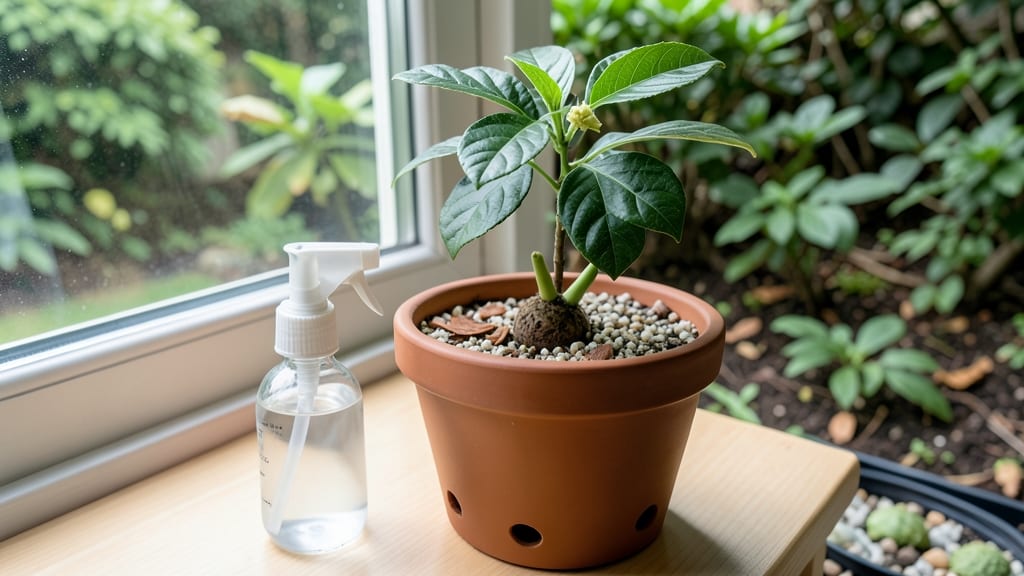
Growing an avocado tree in a container starts with a single pit from your grocery store. 🌱 The journey from that humble seed to a lush, leafy indoor tree feels like magic—but it’s all about patience and the right conditions.
My first attempt took three months to sprout, but now I’ve got a thriving 3-foot-tall tree that adds tropical vibes to my kitchen year-round.
You’ll need just a few things: a large container (at least 12 inches wide), well-draining soil mix, and a sunny spot near a window. The key is keeping the soil consistently moist (not soggy) and rotating the pot weekly so it grows straight.
Most people rush the process, but slow growth in the early stages means a stronger, healthier tree later.
By the time it’s a year old, you’ll have glossy, dark-green leaves and maybe even a few flowers—though fruiting indoors is rare. The real reward is that tropical feeling: waking up to sunlight filtering through broad leaves and knowing you grew it from something you’d otherwise toss.
Prune sparingly, and you’ll have a container tree that lasts for years.
Works indoors year-round or outdoors in warm climates during summer. The same method applies whether you’re starting with a Hass avocado pit or another variety—just adjust pot size as it grows. Here’s how to keep it thriving without the guesswork.
📚 In This Guide
- What you need
- Instructions
- Tips and common mistakes
- Wrapping up and next steps
What you need
- ● Container: A drainage hole-equipped pot (minimum 12–18 inches in diameter for dwarf varieties; 20+ inches for larger trees). Choose durable, lightweight materials like: Terracotta (great for drainage but heavier)
- ● Fiberglass (lightweight, durable)
- ● Plastic (budget-friendly, retains moisture)
- ● Potting Mix: 1–2 gallons of well-draining, airy soil mix. Combine: 60% peat-free potting soil (or coco coir)
- ● 30% perlite or pumice (for aeration)
- ● 10% compost or worm castings (for nutrients)
- ● Avocado Pit: 1 ripe, organic avocado (Bacon or Hass varieties work best). No pesticides!
- ● Toothpicks or Skewers: 3–4 (for suspending the pit during rooting).
- ● Grow Lights: A full-spectrum LED grow light (12–16 hrs/day) if natural light is less than 6 hours/day.
- ● Humidity Dome: A clear plastic bag or humidity tent to keep the pit moist during rooting.
- ● Fertilizer: Balanced liquid fertilizer (e.g., 10-10-10) diluted to half-strength (every 4–6 weeks).
- ● Slow-release granules (like osmocote) for long-term feeding.
- ● Support Stakes: A bamboo or metal stake (1–2 ft tall) to stabilize the tree as it grows.
- ● Mulch: 1–2 inches of orchid bark or shredded coconut husk to retain moisture.
Step-by-step instructions for growing an avocado tree in a container
Here's how to coax that avocado pit into a lush, container-grown tree with minimal fuss.
🌱 Step 1: Germinate the Avocado Pit
First, wash the avocado pit thoroughly to remove any fruit residue. I like to use toothpicks to prop it up in a glass of water—position the flat side down and the pointed end up. Fill the glass with enough water to cover about 1 inch of the pit, but never submerge it completely. Place the glass in a warm, bright spot (like a sunny windowsill) where the temperature stays above 65°F.
Change the water every 2-3 days to prevent bacterial growth. You'll see roots emerge from the bottom in about 2-6 weeks—this is your first sign of success. Once roots reach 2-3 inches, you're ready to move it to soil. Don't rush this step; weak roots mean a weak start.
🪴 Step 2: Prepare the Container and Potting Mix
Choose a container at least 12 inches deep with drainage holes—avocado trees need room to grow. I use a 16-inch pot for my first planting to give the roots plenty of space. Fill the bottom 2 inches with a well-draining mix (like perlite or small pebbles) to prevent root rot. Then add a high-quality potting mix that’s light and airy—avoid garden soil, which compacts too easily.
Make a small hole in the center of the soil and gently place the rooted pit so the roots sit just below the surface. Press the soil lightly around the pit, but don’t pack it down too firmly. Water lightly until the soil feels moist but not soggy. The goal is to encourage root growth without drowning the young plant.
☀️ Step 3: Provide Light and Care for the Young Sapling
Avocado trees love bright, indirect light—think 6+ hours of sunlight daily, but avoid harsh afternoon rays that can scorch tender leaves. A south- or west-facing window works well, or use a grow light if natural light is limited. You’ll notice the first leaves appear in 4-8 weeks—this is your cue that the plant is thriving.
Water when the top inch of soil feels dry, but avoid letting the soil stay soggy. Avocados hate wet feet! I water deeply once a week in summer and reduce to every 10-14 days in winter. Fertilize lightly with a balanced liquid fertilizer (like 10-10-10) every 2 months starting when the plant has 4-5 leaves. Too much fertilizer burns young roots.
✂️ Step 4: Prune and Repot as It Grows
Once your avocado tree reaches 18-24 inches tall, it’s time to prune. Cut back the top 1-2 inches to encourage bushier growth—this is called "heading back." Use clean, sharp scissors to make the cut just above a leaf node. Prune again in early spring to shape the tree and remove any dead or yellowing leaves.
Repot every 2-3 years when the roots outgrow the container. Choose a pot 2-4 inches larger than the current one and refresh the potting mix. The best time to repot is early spring, just as new growth begins. After repotting, place the tree in bright light and water lightly for the first week to reduce stress.
🌿 Step 5: Encourage Flowering and Fruit (With Patience!)
Avocado trees grown indoors rarely fruit, but with the right care, you might see flowers after 3-5 years. To encourage blooming, place the tree in a cool (55-60°F) spot at night and warm (70-75°F) spot during the day for a few weeks—this mimics tropical seasons. If you see flowers, hand-pollinate them with a small brush to transfer pollen between blooms.
If you’re lucky enough to get fruit, don’t harvest it—let it ripen on the tree. Even if it doesn’t produce, enjoy the lush, tropical foliage! With consistent care, your container-grown avocado can live for decades, becoming a stunning houseplant and a conversation starter.
Tips & tricks for growing a thriving container avocado tree
Real talk: Growing an avocado tree from a pit isn't rocket science, but these small tweaks make all the difference between a sad sapling and a lush tropical centerpiece.
Germination Patience: The 2-6 week window for root growth can feel like forever, but rushing this step is a recipe for failure. I've seen people move pits to soil too soon with roots barely reaching 1 inch—this creates weak anchor roots that struggle to support the plant. Keep the pit in water until roots hit 2-3 inches, even if that means waiting 8 weeks. The stronger the roots, the healthier your tree will be long-term.
Container Size Matters: That 12-inch minimum depth isn't just a suggestion—avocado roots grow surprisingly fast. I've had people use 10-inch pots and watch their trees become root-bound within a year. Choose your initial container wisely: the extra 4 inches in a 16-inch pot gives roots room to establish before you'll need to repot. And always use containers with drainage holes—avocados despise soggy roots.
Light Strategy: The "6+ hours of sunlight" guideline is perfect, but here's what nobody tells you—avocados hate afternoon sun intensity. I've seen leaves scorch when placed in direct southern exposure after 11am. Instead, position your tree near an east-facing window or use sheer curtains to diffuse harsh afternoon rays. For indoor growers, a simple LED grow light on a timer works wonders for supplementing natural light.
Fertilizer Timing: That 2-month interval for fertilizing starting at 4-5 leaves is key, but I've learned this the hard way: too much too soon burns delicate roots. Start with half-strength fertilizer when you first begin feeding, then gradually increase to full strength over 3-4 months. And always water thoroughly before fertilizing—this prevents salt buildup in the soil that can damage roots.
Pro Tips for Grow An Avocado Tree In A Container
- Real talk: Growing an avocado tree from a pit isn't rocket science, but these small tweaks make all the difference between a sad sapling and a lush tropical centerpiece.
- Germination Patience: The 2-6 week window for root growth can feel like forever, but rushing this step is a recipe for failure.
- Container Size Matters: That 12-inch minimum depth isn't just a suggestion—avocado roots grow surprisingly fast.
Frequently asked questions
about growing avocado trees in containers—because even tropical dreams need a little troubleshooting!Can I grow an avocado tree from a store-bought avocado pit?
Store-bought avocado pits are a great starting point. Just remove any remaining fruit, clean the pit, and follow the germination steps in our guide. The key is patience—it may take weeks or even months for roots to sprout.
How long does it take for an avocado tree to bear fruit in a container?
Avocado trees grown in containers are unlikely to fruit for years (often 5–10+ years), if ever. Containers limit root space and nutrients, slowing growth. For fruit, consider planting in the ground or opting for dwarf varieties like ‘Mexicola’ or ‘Bacon.’
What’s the best temperature range for container-grown avocado trees?
Avocados thrive in warmth—ideal temps are 65–85°F (18–29°C). Below 50°F (10°C), growth stalls, and frost will kill the plant. If you live in a cooler climate, keep the tree indoors near a sunny window or use a grow light during winter.
Why are my avocado tree’s leaves turning yellow?
Yellow leaves usually signal overwatering or nutrient deficiency. Check the soil—it should be slightly moist but not soggy. Feed with a balanced fertilizer (like 10-10-10) every 2–3 months. Yellowing edges? It might be fluoride sensitivity—use filtered water to avoid buildup.
Can I move my container avocado tree outside in summer?
Yes! Acclimate your tree gradually to outdoor conditions by placing it in partial shade for a few hours daily, then increasing exposure. Avoid direct sun initially to prevent leaf scorch. Bring it back indoors before temps drop below 55°F (13°C).
What’s the largest container size I should use for an avocado tree?
Aim for a 5-gallon container minimum, but 10–15 gallons is ideal for mature trees. Larger pots allow better root growth and stability. Ensure the container has drainage holes and use a lightweight, well-draining potting mix to prevent root rot.
Wrapping up and next steps
Growing an avocado tree in a container is a rewarding journey that brings a taste of the tropics right to your home—no green thumb required! 🌱 With the right pot, soil, and a little patience, you’ll soon enjoy lush leaves, potential fruit, and a conversation piece for your space.
Start small, stay consistent with care, and soon you’ll be harvesting your own creamy avocados or sharing your green success story.
Ready to take the next step? Pick your favorite avocado pit today and get growing! 🌟