
Size
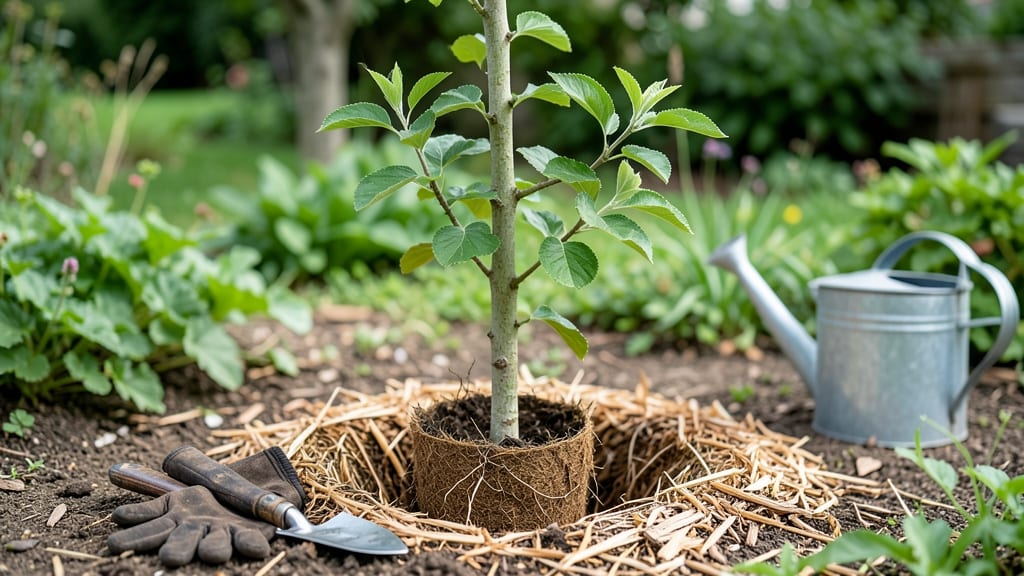
If you plant an apple seed, a tree will grow—but the fruit it produces will almost certainly differ from the parent apple due to natural genetic variation. Your success hinges on proper planting techniques, patience (5-10 years before fruiting), and understanding the tree's growth stages.
Planting an apple seed is like starting a science experiment in your backyard. 🌱 The tree that emerges will develop its own unique traits—shape, size, and flavor—because seeds carry a mix of genes from both parent trees.
This genetic lottery means your new tree might produce tiny, tart apples or even completely different varieties. For consistent fruit quality, most commercial orchards use grafting instead of seeds, but growing from seed offers the thrill of discovering what nature creates.
To maximize your chances, start with fresh seeds from organic apples (avoid store-bought ones treated to prevent sprouting). Plant them half an inch deep in well-draining soil during fall or early spring, and keep the soil moist but not soggy.
Remember, these young trees grow slowly—providing proper care during their first few years is crucial for establishing strong roots that can support future fruit production.
💡 In This Article
- Why Apple Seeds May Not Yield the Same Fruit
- Step-by-Step Guide to Growing an Apple Tree from Seed
Why apple seeds may not yield the same fruit
When you plant an apple seed, you're essentially starting with a genetic lottery. 🌱 Each seed contains a unique combination of genes from both parent trees—this process is called sexual reproduction, where pollen from one tree fertilizes the flower of another.
The resulting seed carries a mix of traits that can produce a tree with completely different fruit characteristics. For example, if you plant a seed from a sweet 'Fuji' apple, the resulting tree might produce tart, small apples that look nothing like the parent.
This unpredictability is why commercial orchards prefer grafting—it ensures the new tree will produce the exact same fruit as the parent.
The science behind this involves something called heterozygosity, where offspring inherit different alleles (gene versions) from each parent. Apple trees are particularly variable because they're often cross-pollinated by bees carrying pollen from multiple trees.
This genetic diversity means your seedling might develop disease resistance from one parent but inherit poor fruit quality from another. 🍏 The fruit's size, color, and taste can vary dramatically—some seed-grown apples might even be inedible or too small to harvest.
In fact, studies show that only about 1 in 10,000 seed-grown apple trees produces fruit worth commercial growing.
What most people don't realize is how this genetic variation affects the tree's growth pattern too. Seed-grown apple trees often develop weaker root systems compared to grafted trees, which can make them more susceptible to disease and environmental stress.
The tree's growth habit—whether it grows tall and narrow or bushy and wide—can also differ significantly from the parent. This is why nurseries sell grafted trees: they're bred for consistent fruit quality and disease resistance.
However, growing from seed offers the unique opportunity to discover new varieties that might thrive in your specific climate or soil conditions.
Cross-pollination plays a critical role in this process. Apple trees are not self-pollinating—they require pollen from a different tree to produce fruit. This means even if your seedling grows successfully, it may not bear fruit at all unless another apple tree is nearby.
The pollen must travel from one tree's flowers to another's, a process that can be affected by weather, bee activity, and the timing of flowering. 🐝 In some cases, seed-grown trees might produce fruit that's sterile or too small to be useful, making the entire process a gamble.
This unpredictability is part of what makes growing apple trees from seed such a fascinating (but challenging) endeavor.
Here's what actually happens during germination: when you plant an apple seed, it first enters a dormant phase where it waits for the right conditions—typically warm soil temperatures around 60-70°F and consistent moisture. The seed's outer coat must soften before the embryo inside can begin growing.
This process can take anywhere from 2-4 weeks, depending on environmental factors. Once germination begins, the seedling's first leaves are called cotyledons, which provide initial nourishment until the tree can develop true leaves for photosynthesis.
Understanding this process helps explain why some seeds sprout quickly while others take months or even years to germinate.
The fruit quality from seed-grown trees often suffers because these trees haven't been selectively bred for desirable traits. Commercial apple varieties have been cultivated over centuries to produce sweet, large, and disease-resistant fruit.
A seed-grown tree, on the other hand, might produce apples that are hard, bitter, or too small to eat. 🍎 The flavor profile can also be completely different—what was a sweet, juicy apple might become a tart, mealy one.
This is why many gardeners who want consistent fruit opt for grafting existing varieties onto rootstock, which guarantees the same fruit characteristics as the parent tree.