
Trees
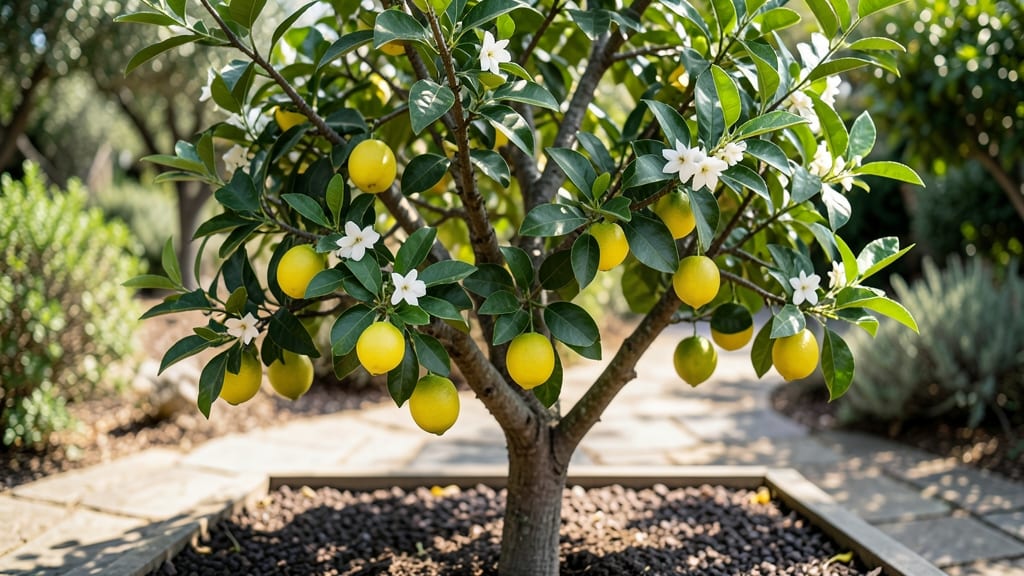
Those sharp thorns and glossy leaves can identify a citrus tree with thorns—it’s tougher than it looks. 🌿 I’ve spent years untangling citrus mysteries, and thorny leaves are one of the quickest clues to what kind of tree you’re dealing with—especially when comparing lemon, lime, orange, or even kumquat varieties.
The real giveaway? Leaf shape and thorn structure. Citrus leaves are usually oval with serrated edges, but the thorns—thick and woody on some trees, finer on others—tell you whether it’s a hardy trifoliate orange or a more delicate lime.
I’ve seen beginners mix up trifoliate leaves (three leaflets) with non-citrus plants, but the thorns and citrus scent give it away. Once you know your tree, you’ll prune it right, spot pests faster, and even predict fruit size.
My kumquat tree’s thorns kept squirrels away last winter, and the tiny leaves told me exactly when to fertilize for spring blooms. This works for backyard trees, containers, or even that one stubborn plant in a community garden plot. Let’s break down the details!
The Hidden Reasons Behind Thorny Citrus Foliage
Citrus trees are prized for their fragrant blooms, juicy fruits, and lush green leaves—but when those leaves sprout unexpected thorns, it’s a sign something’s off. Whether you’re a seasoned gardener or a curious plant parent, understanding the why behind thorny citrus leaves helps you address the issue before it spreads.
Below, we break down the most common causes, backed by science and actionable insights.
Not all citrus trees are created equal—some are naturally thornier than others due to their genetic makeup. Thorns are a defensive adaptation evolved to deter herbivores and harsh environmental conditions. Here’s the breakdown:
- Wild Citrus Relatives: Many modern citrus varieties (like Citrus × aurantium, the bitter orange) descend from thorny ancestors. Even cultivated trees like Citrus × limon (lemon) or Citrus × sinensis (sweet orange) may retain thorny traits if bred from wild stock.
- Rootstock Influence: If your citrus tree is grafted onto a thorny rootstock (common in commercial orchards), the scion (the desirable fruit-bearing part) might inherit some thorny characteristics, especially under stress.
- Hybrid Vigilance: Some hybrid citrus trees (e.g., Citrus × bergamia, bergamot) are more prone to thorns as a survival mechanism in their native Mediterranean habitats.
💡 Pro Tip: If your tree’s thorns appear uniformly along branches and leaves, genetics is likely the culprit. No need to panic—just embrace the tree’s natural defense system! For severe cases, ask your local nursery about thornless cultivars like ‘Improved Meyer Lemon’ or ‘Valencia Orange’.
Citrus trees are tropical at heart, and when they’re pushed beyond their comfort zone, thorn production can spike as a stress response. Here’s what triggers it:
| Stressor | How It Causes Thorns | Actionable Fix |
|---|---|---|
| 🔥 Extreme Heat | Prolonged temperatures above 95°F (35°C) disrupt photosynthesis, forcing the tree to allocate energy to thorn production for shade and protection. | Provide afternoon shade with lightweight shade cloth (30-50%) or mulch with straw or wood chips to retain moisture. |
| ❄️ Cold Snaps | Temperatures below 28°F (-2°C) damage cells, triggering a survival response—thorns act as a barrier against frost and pests. | Wrap the tree in burlap or use a frost cloth in winter. Plant in a microclimate (e.g., near a south-facing wall). |
| 💧 Water Stress | Both drought and overwatering disrupt nutrient uptake. Thorns grow as a way to conserve water (they reduce leaf surface area). | Water deeply 1-2 times per week (check soil moisture 2 inches down). Use drip irrigation to avoid wetting leaves. |
| 🌬️ Strong Winds | Wind damage weakens branches, prompting the tree to grow thorns for structural support and to reduce wind exposure. | Plant near a windbreak (e.g., fence, hedge) or stake young trees. Prune to open the canopy for airflow. |
✨ Key Insight: Thorns from environmental stress often appear irregularly—not just on leaves but also on stems and new growth. Monitor your tree’s surroundings and adjust care accordingly.
Pests don’t just damage leaves—they signal the tree to grow thorns as a last-ditch defense. Here’s how common citrus pests contribute:
- 🐛 Aphids & Scale Insects: These sap-suckers inject toxins that disrupt growth hormones, causing abnormal thorn formation. Heavy infestations lead to stunted, thorny new leaves.
- 🦟 Spider Mites: Their feeding weakens leaves, forcing the tree to produce harder, spikier foliage to deter future attacks.
- 🐝 Hornworms: While they eat leaves, their presence stresses the tree, leading to random thorn clusters on young shoots.
🔥 Immediate Action: Inspect the undersides of leaves for pests. Treat with:
- Neem oil (1 tsp per quart of water, spray weekly).
- Insecticidal soap for soft-bodied bugs.
- Beneficial predators like ladybugs or lacewings.
Thorns from pest stress often recede within 4-6 weeks once the infestation is controlled.
When citrus trees are sick or malnourished, thorny leaves can be a symptom of deeper issues. Look for these red flags:
| Issue | Thorn Pattern | Solution |
|---|---|---|
| 🍄 Fungal Infections (e.g., citrus canker) | Thorns appear clustered near infected leaf spots or oozing lesions. | Prune infected branches with sterilized tools. Apply copper fungicide (follow label rates). |
| 💀 Nitrogen Deficiency | Thorny leaves paired with yellowing (chlorosis) between veins. | Fertilize with balanced citrus fertilizer (6-6-6 NPK) in early spring. Add compost to the soil. |
| 🪴 Potassium or Magnesium Deficiency | Thorns on older leaves with brown edges or interveinal yellowing. | Amend soil with Epsom salt (1 tbsp per gallon of water, spray foliage) or potassium-rich fertilizer. |
🎯 Critical Note: If thorns coincide with leaf drop, stunted growth, or unusual spots, prioritize diagnosing the underlying disease or deficiency. A soil test from your local extension office can pinpoint exact nutrient gaps.
Fix Thorny Citrus Trees Naturally
If your citrus tree is sprouting unwanted thorns, don’t panic—there are practical ways to manage and even prevent this issue. Below, we’ve broken down solutions by the most common causes, from pruning techniques to long-term care. Follow these steps to restore your tree’s health and keep it thorn-free.
When citrus trees feel cramped or nutrient-deprived, they may produce thorns as a survival mechanism. Here’s how to address it:
🔪 Prune Aggressively (But Correctly)
- Step 1: Identify and remove thorny branches at their base using clean, sharp pruners (sterilize with rubbing alcohol to prevent disease).
- Step 2: Cut just above a leaf node (the bump where leaves grow) to encourage new, thorn-free growth.
- Step 3: Thin out crossing or dense branches to improve airflow and sunlight penetration.
- ✨ Pro Tip: Prune during late winter or early spring (before new growth starts) for best results.
🌱 Improve Soil and Spacing
- Test your soil (a simple DIY kit works) and amend with compost or citrus-specific fertilizer (high in nitrogen for new growth).
- Repot or transplant if the tree is root-bound (gently loosen roots before moving).
- Space trees properly—citrus varieties like lemon, lime, or orange need 6–10 feet apart to thrive without stress.
💧 Water Deeply and Consistently
- Water deeply 2–3 times per week (more in extreme heat) to encourage strong root development.
- Avoid overhead watering—use drip irrigation to keep foliage dry and prevent fungal issues.
- 🌡️ Watch for signs of drought stress (yellowing leaves, wilting) and adjust watering accordingly.
Thorns can also appear when trees are under attack. Here’s how to combat common culprits:
🐜 Treat for Common Pests
| Pest | Signs | Solution |
|---|---|---|
| Citrus Thrips | Scratched leaves, stunted growth | Spray with neem oil or insecticidal soap weekly for 4 weeks. |
| Scale Insects | Sticky residue (honeydew), wilted leaves | Scrape off pests with a soft brush, then apply horticultural oil. |
| Aphids | Curled leaves, black sooty mold | Blast off with water spray, then treat with soapy water (1 tsp dish soap per quart). |
🍄 Prevent Fungal Infections
- Remove fallen leaves/debris around the base to reduce humidity.
- Apply copper fungicide if you spot citrus canker (yellow spots with raised edges).
- Avoid overhead watering to keep leaves dry.
Some citrus trees naturally have thorns, while others develop them due to poor growing conditions.
🌱 Choose the Right Citrus for Your Climate
- Thorn-free or low-thorn varieties:
- Meyer Lemon (hardier, fewer thorns)
- Calamondin Orange (small, manageable thorns)
- Satsuma Mandarin (cold-tolerant, minimal thorns)
- If thorns are genetic, focus on regular pruning and training branches away from walkways.
🌡️ Adjust for Temperature Shocks
- Protect from frost with frost cloth or move potted trees indoors.
- Shade young trees from intense afternoon sun (use light shade cloth).
- Mulch heavily in winter to regulate soil temperature.
Once you’ve addressed the issue, keep your citrus tree thriving with these habits:
- 💡 Fertilize monthly (March–September) with a balanced citrus fertilizer (e.g., 6-6-6 or 8-3-9).
- 🌿 Monitor for new thorns after pruning—remove them early to prevent spread.
- 🍊 Harvest regularly—overripe fruit can stress the tree, leading to defensive growth.
- 🔄 Rotate pruning tools to avoid spreading disease between cuts.
By tackling the root cause—whether it’s overcrowding, pests, or environmental stress—you’ll help your citrus tree grow stronger and (hopefully) thorn-free. With consistent care, your tree will reward you with lush foliage, sweet fruit, and fewer prickles! 🍋✨
Frequently asked questions
What's the easiest way to tell if my thorny tree is actually citrus?
Look for a combination of oval-shaped leaves with serrated edges and a distinct citrus scent when crushed. Most citrus varieties also have alternate leaf arrangement (leaves grow singly along branches, not in pairs). If the thorns are sharp, woody, and paired with glossy leaves, it’s likely citrus—especially if you see small white flowers or fruit developing.
Can I safely remove thorns from my citrus tree?
Yes, but do it carefully! Use sterilized pruning shears to snip thorns at their base during dormant season (winter). Avoid removing too many at once—citrus trees naturally produce thorns for protection. For severe cases, consider pruning entire thorny branches back to the main trunk to encourage new growth.
Why does my lemon tree have more thorns than my lime tree?
Genetics play a huge role! Lemon trees (Citrus × limon) often have more pronounced thorns because they descend from wild, hardy ancestors. Lime trees (especially bearss lime) tend to be less thorny. The rootstock also matters—trees grafted onto trifoliate orange rootstock (common for lemons) are naturally thornier than those on sour orange rootstock.
Are there any citrus trees that are completely thorn-free?
While no citrus tree is 100% thorn-free, some varieties have minimal thorns. The Meyer lemon and Satsuma mandarin are excellent choices with fewer defensive spines. For container growing, calamondin oranges (small, manageable thorns) work well. Always check with your local nursery—they can recommend varieties bred for your specific climate.
How do I know if my thorny tree is actually a citrus or something else?
Compare these key features: citrus leaves are oval with serrated edges, while non-citrus plants like hawthorn have lobed leaves. Also check for white flowers (citrus blooms are fragrant and 4-5 petaled) and round fruits (even if they don't ripen). If your tree has compound leaves (multiple leaflets), it's likely a trifoliate orange or related hybrid.