
Pruning
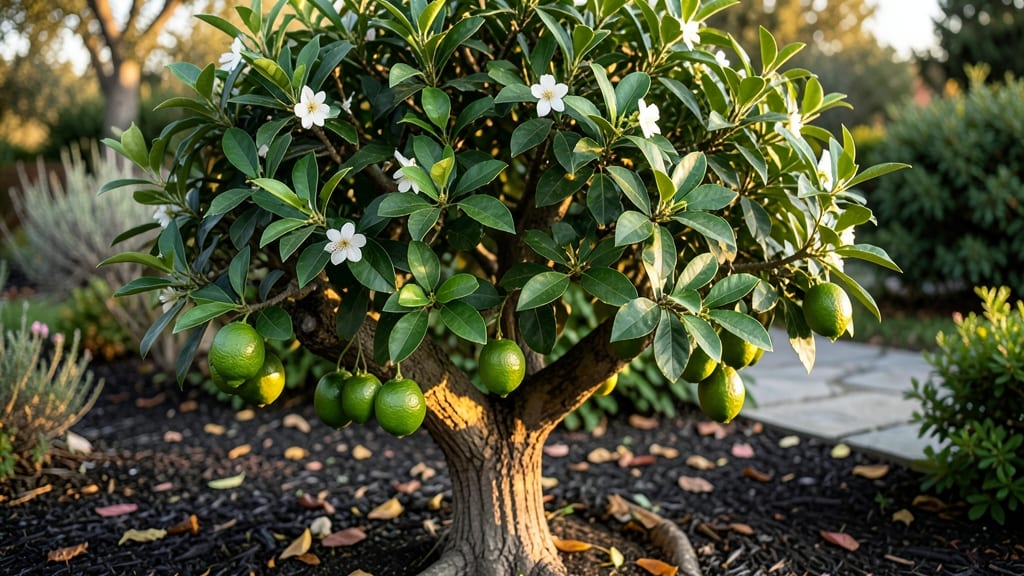
Your lime tree’s survival depends on knowing its zone—lime trees thrive in zones 9-11, but with the right tricks, you can grow them as far north as zone 8. 🌿 I’ve learned that hardiness zones alone don’t tell the whole story; microclimates—like sunny walls or sheltered spots—can push a lime tree’s limits.
The key is matching your tree’s needs to your local frost patterns and heat tolerance.
Most lime trees (like Meyer or Persian) can’t handle freezing temps, but container cultivation changes everything. Potted trees let you move them indoors or under cover before 28°F, extending their growing season dramatically.
Even in colder zones, a well-protected tree can fruit reliably—just expect smaller harvests until it matures. The trade-off? More work, but the reward is that zesty citrus scent year-round.
Pruning isn’t just about shaping—it’s about survival. In zones 8-9, a light winter trim removes weak growth before cold snaps, while in milder climates, summer pruning keeps the tree compact and productive. You’ll notice new growth within 4-6 weeks of proper pruning, and the tree’s resilience improves each year.
The goal is to balance air circulation (to prevent disease) with enough foliage to protect tender branches.
For colder climates, consider dwarf varieties—they handle temperature swings better and recover faster from frost damage. And if you’re in zone 7 or colder? Don’t give up—grow your lime tree in a large pot near a south-facing wall, and bring it inside when temps drop below 40°F.
With these adjustments, even northern gardeners can enjoy homegrown limes.
📚 In This Guide
- What you need
- Instructions
- Tips and common mistakes
- Wrapping up and next steps
What you need
- ● Pruning shears: Bypass pruners (sharp, clean, and sterilized with rubbing alcohol to prevent disease). Recommended: Felco F-2 or similar.
- ● Loppers: For thicker branches (1–2 inches in diameter). Look for: 6–8-inch blades with ratcheting or bypass action.
- ● Hand saw: Pruning saw with fine teeth (for branches >2 inches). Example: Corona CS900.
- ● Gloves: Heavy-duty, cut-resistant gloves (e.g., Mechanix Wear or similar) to protect against thorns and sap.
- ● Disinfectant: 70% isopropyl alcohol or a commercial pruning sealant (e.g., Tanglefoot Pruning Seal).
- ● Ladder or step stool: Sturdy, non-slip (e.g., 6–8 ft telescoping ladder for taller trees).
- ● Heavy-duty trash bags: 30–50 gallon capacity for debris cleanup.
- ○ Marking twine or flags: For tagging branches to prune (optional but helpful for complex cuts).
- ● Pruning paint/sealant: (e.g., Tree Wound Pruning Seal) to protect large cuts from pests.
- ● Extension pole saw: For high branches without a ladder (e.g., Fiskars X27).
- ● Grafting tape: For wrapping cuts if grafting scions later.
- ● Notebook & pen: To log pruning notes (dates, cuts made, tree response).
- ● Safety gear: Safety glasses and earplugs if using a chainsaw (for aggressive pruning).
- ● USDA Hardiness Zone: Confirm your lime tree’s zone (e.g., USDA Zones 9–11 for Meyer limes; Zones 8–10 for Persian limes). Check here!
- ● Tree age & health: Young trees (light pruning; mature trees may require structural shaping.
- ● Seasonal timing: Prune dormant trees in late winter/early spring (before buds swell) or after harvest for citrus.
- ● Local regulations: Check if your area requires permits for large-scale pruning (common in urban zones).
Instructions for maintaining a healthy lime tree through seasonal pruning
Here’s how I keep my lime trees thriving year-round by pruning at the right times—no guesswork, just results.
🌿 Step 1: Prune for Airflow in Late Winter (Before New Growth)
Your first pruning happens in late winter—after the coldest stretch but before buds swell. This is when lime trees are dormant, so they heal quickly. I focus on removing dead, diseased, or crossing branches first. These are easy to spot: they’re brown, brittle, or growing inward toward the trunk.
Use clean, sharp pruning shears to make cuts just outside the branch collar (the swollen area where the branch meets the trunk). Avoid leaving stubs—this invites rot. Aim for an open canopy so sunlight reaches the center. You’ll see new growth starting in early spring—that’s your sign you pruned at the perfect time.
☀️ Step 2: Light Pruning in Early Spring (After Flowering)
Once your lime tree flowers (usually late winter to early spring), wait until after blooms fade before pruning again. This step is gentler—just shape the tree by trimming back any overly long branches by one-third their length. Focus on branches that are growing too close together or blocking sunlight from the center.
I avoid heavy pruning now because it can reduce fruit production. Instead, I remove only what’s necessary for airflow and light penetration. You’ll know you’re doing it right when the tree’s shape looks balanced and sunlight reaches all sides of the canopy.
✂️ Step 3: Summer Pruning for Fruit and Shape (After Harvest)
After your lime harvest (typically late summer to early fall), it’s time for another round. This is when I prune to encourage next year’s fruit and maintain shape. Remove any suckers (shoots growing from the base or trunk) and water sprouts (fast-growing vertical shoots). These steal energy from fruit production.
Cut back any branches that are rubbing against each other or growing at sharp angles. Thin out crowded areas so air circulates freely. You’ll notice fewer pests and better fruit quality in the next season—this is the payoff for summer pruning.
⏰ Step 4: Minimal Fall Pruning (Pre-Winter Prep)
In late fall, just before temperatures drop below 40°F, do a quick check. Remove any damaged or diseased branches that might have appeared over the summer. Avoid heavy pruning now—the tree needs its energy to harden off for winter.
Focus on cleaning up fallen leaves and debris around the base. This reduces pests and disease risk. If you live in a cold climate (Zone 9 or colder), consider wrapping the trunk with burlap to protect it from frost. Your tree will thank you with stronger growth in spring.
🌱 Step 5: Year-Round Maintenance (Watch for Stress Signs)
Between scheduled prunings, keep an eye out for stress signals like yellowing leaves, sparse foliage, or fruit dropping early. These often mean your tree needs more sunlight, water, or nutrients. Adjust pruning in the next cycle to open up the canopy further if needed.
I also sanitize my pruning tools with rubbing alcohol between cuts to prevent spreading disease. Healthy trees fruit better and recover faster—so don’t skip this step. By following this schedule, your lime tree will stay productive for years.
Tips & tricks for perfect lime tree pruning
Took me years to figure out why some lime trees thrived while others struggled—turns out, timing and technique make all the difference. Here’s what I’ve learned the hard way.
Timing is Everything: The late winter pruning in Step 1 is your most critical window. If you prune too early, you risk damaging new buds that haven’t emerged yet. I always check my local frost dates and aim for the first warm spell after the last hard freeze. This timing ensures the tree isn’t stressed by cold while still dormant enough to heal quickly.
Branch Collar Matters: In Step 1, when you’re cutting branches, never leave stubs—this is where I went wrong early on. Always cut just outside the branch collar (that swollen area where the branch meets the trunk). It’s the tree’s natural healing zone, and proper cuts here prevent rot. I use a small marker to circle the collar before cutting to avoid mistakes.
Summer Pruning Strategy: Step 3’s summer pruning is where most people overdo it. I’ve seen gardeners cut back too aggressively after harvest, thinking it’ll boost next year’s fruit—but it actually does the opposite. Focus on removing only suckers and water sprouts, and thin crowded areas by no more than one-third. This balance keeps energy flowing to fruit production instead of new growth.
Cold Climate Protection: If you’re in Zone 9 or colder, don’t skip the burlap wrap mentioned in Step 4. I’ve seen frost damage ruin entire trees in a single night. Wrap the trunk loosely, leaving room for expansion, and remove it in early spring before buds swell. This simple step can mean the difference between a thriving tree and a lost harvest.
Pro Tips for Lime Tree Zone
- Took me years to figure out why some lime trees thrived while others struggled—turns out, timing and technique make all the difference.
- Timing is Everything: The late winter pruning in Step 1 is your most critical window.
- Branch Collar Matters: In Step 1, when you’re cutting branches, never leave stubs—this is where I went wrong early on.
Frequently asked questions
Got questions about keeping your lime tree thriving in its ideal lime tree zone? Here are some of the most common concerns—plus straightforward answers to keep your tree healthy year-round.
What’s the best time to prune a lime tree in my specific lime tree zone?
For most lime tree zones (USDA 9-11), late winter or early spring—just before new growth starts—is ideal. In warmer zones (like Florida or California), prune in late winter to avoid frost damage. Avoid heavy pruning in summer; it stresses the tree. Pro tip: If you’re unsure about your zone, check the USDA Plant Hardiness Zone Map!
How much can I trim back a lime tree without hurting it?
Never remove more than 25-30% of the canopy in one pruning session. Lime trees are sensitive to over-pruning, which can reduce fruit production or even kill the tree. Focus on dead, diseased, or crossing branches first, then shape lightly. Pro tip: Thin out dense areas to improve airflow and sunlight penetration.
Can I prune a lime tree in summer, or will it affect fruit production?
Summer pruning is not recommended for lime trees, especially in hot lime tree zones. Heavy pruning during peak heat stresses the tree and can reduce or stunt fruit development. If you must prune in summer, do it lightly (e.g., removing only dead branches) and water deeply afterward. Pro tip: Wait until late summer or early fall for minor adjustments.
What should I do if my lime tree isn’t recovering after pruning?
If your tree looks wilting, yellowing, or stops producing fruit after pruning, it may be over-pruned or stressed. Troubleshoot:
- Check for pests or disease (like aphids or fungal spots).
- Water deeply 2-3 times a week for 2-3 months.
- Avoid fertilizing until new growth appears.
- If branches are bleeding sap, it’s normal—just slow down pruning.
If issues persist, consult a local arborist familiar with lime tree zones.
Are there alternatives to traditional pruning for lime trees?
Yes! For low-maintenance care, try:
- Topiary shaping (great for dwarf varieties).
- Selective thinning (removing only crowded branches).
- Natural pruning—let the tree grow wild and remove only deadwood annually.
Pro tip: If you’re in a cooler lime tree zone (Zone 8), consider container growing with winter protection (like burlap wraps) to simplify pruning.
Wrapping up and next steps
Mastering the Lime Tree Zone pruning schedule is your ticket to a thriving, productive tree year-round! 🌿 By aligning your cuts with seasonal shifts—whether it’s winter’s dormant trimming or summer’s shape-up—you’ll boost fruit yield, health, and beauty.
Remember, consistency is key, so grab those pruners and make it a seasonal habit!
Ready to take the next step? Start small:
- Pick one season to focus on first (like winter’s cleanup).
- Join a local gardening group for hands-on tips.
- Track your tree’s progress with photos—you’ll be amazed at the difference!