
Trees
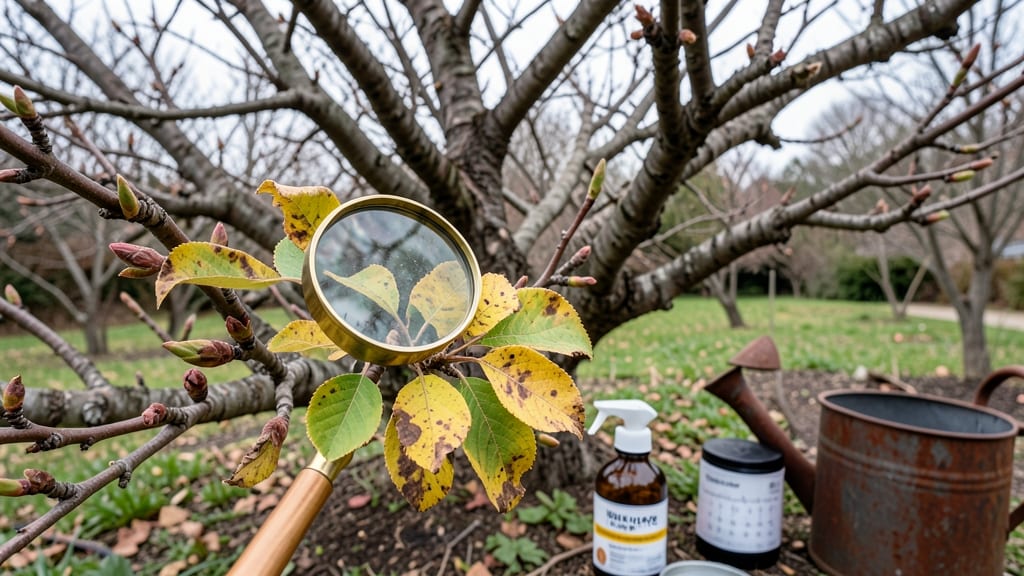
Your peach tree lost all leaves—don’t panic, but act fast. 🌿 This isn’t always a death sentence, and with the right diagnosis, you can nurse it back to health before winter sets in. The first step is identifying whether it’s environmental stress, pests, or disease causing the problem.
Most leaf loss stems from sudden temperature swings, fungal infections like peach leaf curl, or hungry pests such as aphids and borers. My first peach tree nearly died from leaf curl—until I spotted the curled, sticky buds in early spring. A quick copper spray saved it.
You’ll start by inspecting the bark, leaves, and soil for clues—look for holes, webbing, or discolored spots. Once you pinpoint the issue, targeted treatments (fungicides, pruning, or organic pest controls) can restore your tree’s vigor in just a few weeks.
Even if the tree looks bare now, roots are still alive and ready to rebound. With the right care, you’ll see fresh green leaves by late spring—just like my second peach tree did after a similar scare. Let’s get it growing again.
Root Causes Of Sudden Leaf Loss
Understanding why your peach tree has shed all its leaves requires peeling back the layers of stress signals it’s sending. Here’s a breakdown of the most common culprits, explained in simple terms with actionable insights.
Peach trees (Prunus persica) are semi-tropical, meaning they thrive in warm climates (USDA Zones 5-9) but can suffer when temperatures swing too far outside their comfort zone. Sudden freezes, heatwaves, or late spring frosts can shock the tree into dropping leaves as a survival mechanism.
- Cold Stress (Frost Damage): - Peach blossoms and new leaves are extremely frost-sensitive—temperatures below 28°F (-2°C) can kill them instantly.
If frost hits after bud break, the tree may abscise (shed) leaves to conserve energy. - Actionable Fix: Plant in a sheltered location (e.g., near a south-facing wall or windbreak). Use row covers or frost cloths if late frosts are common in your area.
Avoid overwatering before frost—wet leaves freeze faster.
- Heat Stress (Drought + High Temps): - Prolonged heat above 95°F (35°C) combined with low humidity causes transpiration stress—the tree loses more water than it can absorb, leading to leaf scorch and drop. - Actionable Fix: Deep watering (1-2 inches per week) is critical.
Use mulch (3-4 inches of wood chips) to retain moisture. Consider shade cloth (30-50%) during extreme heat if your tree is young.
Peach trees hate soggy roots but also wilting stress—both can trigger leaf loss. Here’s how to spot the difference:
| Symptom | Root Cause | Fix It Now |
|---|---|---|
| Wilting, crispy edges | Underwatering (dry soil 2+ inches deep) | Water deeply 2-3x/week (soak soil 12" down). Use a soaker hose for even moisture. |
| Yellowing leaves, mushrooms at base | Overwatering (compacted, waterlogged soil) | Improve drainage with gravel or sand amendments. Prune root-bound roots if soil stays soggy. |
| Sudden leaf drop after rain | Fungal root rot (Phytophthora) | Avoid overhead watering. Apply copper fungicide if rot is suspected. |
💡 Pro Tip: Stick your finger 2 inches into the soil—if it’s dry, water; if it’s muddy, hold off.
Peach trees are a buffet for pests, and some (like borers and aphids) can cause rapid defoliation. Here’s how to ID the culprit:
- Aphids & Spider Mites:
- Signs: Sticky residue (honeydew), yellow stippling on leaves, fine webbing (mites).
- Why? These sap-suckers weaken the tree, causing leaves to yellow and drop prematurely.
- Fix: Blast off with water spray or use neem oil (repeat every 7-10 days).
- Peach Tree Borers (Adults & Larvae): - Signs: Sawdust-like frass at the base, wilting branches, oozing sap. - Why? Larvae girdle the bark, cutting off water/nutrients—leaves drop as the tree starves. - Fix: Prune and burn infested branches.
Apply borer bait (fermented molasses + water) to the trunk.
- Japanese Beetles:
- Signs: Skeletons of leaves (only veins remain), swarms of metallic-green beetles.
- Why? They devour foliage, forcing the tree to shed leaves to conserve energy.
- Fix: Handpick beetles into soapy water. Use milky spore for long-term control.
Peach trees are prone to pathogenic infections that cause leaf drop, spots, or wilting. Here’s how to tell them apart:
- Leaf Spot Diseases (Cercospora, Alternaria):
- Signs: Brown/yellow spots with halos, premature defoliation.
- Why? Fungi thrive in wet, humid conditions, clogging leaf pores and blocking photosynthesis.
- Fix: Remove fallen leaves. Apply copper fungicide at first sign. Space trees for airflow (6-10 ft apart).
- Bacterial Leaf Spot:
- Signs: Water-soaked spots that turn brown, oozing bacteria (like tiny droplets).
- Why? Spreads via rain splashes or pruning tools.
- Fix: Sterilize tools with rubbing alcohol. Prune infected branches 1 inch below damage. Avoid overhead watering.
- Root & Crown Rot (Phytophthora):
- Signs: Mushrooms at the base, sudden wilting, dark, mushy roots.
- Why? Poor drainage + overwatering create the perfect fungal breeding ground.
- Fix: Improve drainage (raise beds or add gravel). Remove infected soil and replant in sterile, well-draining mix.
Peach trees need balanced nutrition, but too much or too little of certain elements can cause leaf drop.
| Deficiency/Toxicity | Visual Clues | Solution |
|---|---|---|
| Nitrogen (N) Deficiency | Yellowing between veins (older leaves first) | Apply balanced fertilizer (10-10-10) in spring. |
| Potassium (K) Deficiency | Brown leaf edges, weak growth | Use wood ash or greensand for organic K. |
| Magnesium (Mg) Deficiency | Yellow patches between veins (like nitrogen, but interveinal chlorosis) | Apply Epsom salt (1 tbsp/gallon water) every 2 weeks. |
| Iron (Fe) Chlorosis | Bright yellow leaves with green veins (common in alkaline soil) | Lower soil pH with sulfur or peat moss. Use chelated iron sprays. |
| Herbicide Drift | Stunted growth, distorted leaves | Test soil for chemicals. Avoid spraying nearby crops with glyphosate. |
💡 Pro Tip: Soil test first! Many leaf drop issues stem from pH imbalances (peach trees prefer 6.0-7.0 pH).
Sometimes, non-living factors cause leaf loss:
- Wind Burn:
- Signs: Brown, crispy leaf edges (like frost damage but on one side).
- Fix: Windbreaks (hedges, fences) or staking young trees.
- Mechanical Injury (Lawnmowers, Trimmers):
- Signs: Ragged leaf edges, exposed bark.
- Fix: Protect the trunk with a tree guard. Keep grass 3 ft away from the base.
- Transplant Shock:
- Signs: Wilting, leaf drop 2-4 weeks after moving.
- Fix: Water deeply daily for the first month. Avoid fertilizing until new growth appears.
Not all leaf loss is an emergency. Here’s how to tell:
✅ Normal Shedding:
- Timing: Late fall/winter (dormancy) or early spring (before new leaves).
- Appearance: Leaves brown uniformly, no spots or pests.
❌ Emergency Signs (Act Fast!):
- Sudden drop (within days/weeks).
- Sticky residue, holes, or webbing (pests).
- Mushrooms, rot, or oozing sap (disease
Revive Your Tree: Step-by-Step Fixes
A peach tree shedding leaves can feel like a heartbreaking loss, but with the right approach, you can nurse it back to health—and even prevent future setbacks. Below are targeted solutions for the most common causes, paired with easy-to-follow fixes and long-term prevention tips. Let’s get your tree thriving again!
Signs: Wilting, crispy edges, or leaves falling even when soil feels damp (overwatering) or dry, brittle leaves (underwatering).
💧 Step 1: Check the Soil Moisture
- Stick your finger 2–3 inches deep into the soil. If it’s soggy, you’re overwatering. If dry, it’s time to hydrate.
- Pro tip: 🌡️ Use a moisture meter for accuracy—peach trees prefer consistently moist (not waterlogged) soil.
👨🍳 Step 2: Adjust Your Watering Routine
- Underwatered? Water deeply 1–2 times per week (more in extreme heat). Aim for 1–1.5 inches of water per week, including rain.
- Overwatered? Let the top 2–3 inches of soil dry out between waterings.
Improve drainage by adding compost or sand to heavy clay soil. - 🔥 Quick fix: If roots are waterlogged, pile mulch 2–3 inches thick around the base (keep it 6 inches from the trunk) to regulate moisture.
🌿 Prevention Tips
- Mulch properly: Use wood chips or straw to retain moisture and insulate roots.
- Water in the morning to reduce evaporation and fungal risks.
- Avoid shallow watering: Use a soaker hose or drip irrigation to encourage deep root growth.
Signs: Yellowing, brown spots with yellow halos, or white powdery coatings on leaves.
🧴 Step 1: Remove Infected Leaves
- ⏰ Act fast: Prune and dispose of (don’t compost!) all heavily infected leaves to stop the spread.
- 🔪 Sanitize tools with 70% rubbing alcohol between cuts.
🍳 Step 2: Apply Fungicide
- Organic option: Mix 1 tsp baking soda + 1 quart water + a few drops of dish soap (spray on dry leaves in the morning).
- Chemical option: Use a copper-based fungicide (like Bordeaux mixture) or neem oil (reapply every 7–14 days).
- 💡 Pro tip: Improve air circulation by pruning dense branches and spacing trees 15–20 feet apart.
🌡️ Prevention Tips
- Water at the base (avoid wetting foliage) to reduce humidity around leaves.
- Prune for sunlight: Thin out branches to allow dappled sunlight, which discourages fungal growth.
- Clean up debris in fall to remove overwintering spores.
Signs: Tiny webs, chewed leaves, sticky residue (honeydew), or sawdust-like frass (borer droppings).
🕷️ Step 1: Identify the Culprit
- Spider mites: Look for fine webbing on undersides of leaves.
- Aphids: Check for clusters of small, soft-bodied insects on new growth.
- Borers: Tap branches—hollow sounds or sawdust at the base signal infestation.
👨🌾 Step 2: Treat Accordingly
- For mites/aphids:
- Spray with water (knocks off aphids) or use insecticidal soap (follow label rates).
- 🌿 Natural predator: Release ladybugs or lacewings for long-term control.
- For borers:
- 🔪 Prune and burn infested branches.
- Drill holes into the trunk and inject beneficial nematodes or baited traps (like Gordian ropes).
✨ Prevention Tips
- Encourage predators: Plant marigolds, dill, or yarrow nearby to attract beneficial insects.
- Monitor regularly: Inspect new growth weekly during spring/summer.
- Avoid broad-spectrum pesticides—they kill helpful insects too!
Signs: Scorched, curled leaves (heat), blackened edges (cold), or peeling bark (windburn).
🌡️ Step 1: Shield from Extremes
- Heat stress: Provide afternoon shade with a lightweight shade cloth (30–50% coverage).
- Cold damage: Wrap the trunk with burlap or tree guard in late fall/winter.
- Windburn: Plant windbreaks (like evergreens) or stake young trees for support.
💧 Step 2: Boost Recovery
- Fertilize lightly with balanced 10-10-10 in spring to support new growth.
- Mulch heavily (4–6 inches) to insulate roots from temperature swings.
🎯 Prevention Tips
- Choose the right location: Peach trees thrive in full sun (6+ hours/day) but need protection from harsh winds.
- Gradual acclimation: Harden off young trees by slowly exposing them to outdoor conditions in spring.
- Drip irrigation keeps roots cool in hot weather.
Signs: Mushrooms at the base, blackened roots, or no new leaves after pruning.
🔪 Step 1: Assess the Damage
- Gently dig around the roots (be careful not to harm them further). Healthy roots are white or light tan; rotten roots are dark and mushy.
- If >50% of roots are dead, the tree may not recover.
🌱 Step 2: Salvage or Replace
- If roots are salvageable:
- Prune back 1/3 of the canopy to reduce stress.
- Repot or replant in well-draining soil (mix in perlite or sand).
- Apply mycorrhizal fungi to help roots recover.
- If beyond saving: Remove the tree and plant a new one in a different location with better drainage.
💡 Prevention Tips
- Test your soil (pH 6.0–7.0 is ideal for peach trees).
- Avoid compacted soil—amend with compost or organic matter before planting.
- Plant in spring (not fall) to give roots time to establish before winter.
🌟 Final Encouragement: Most peach trees are resilient! With the right care, you’ll see new leaves in 2–4 weeks for mild stress or full recovery in a season for moderate damage. Stay consistent, and your tree will reward you with sweet peaches next summer. 🍑✨
Frequently asked questions about peach trees losing leaves
Is it normal for a peach tree to lose all its leaves at once?
Not usually! While peach trees naturally shed leaves in fall/winter dormancy or before new spring growth, sudden complete defoliation signals stress. Check for pests, disease spots, or environmental factors like frost or drought. If leaves fell within days/weeks (not months), act fast—most cases are treatable.
Can a peach tree recover if it loses all leaves?
Peach trees are resilient—roots stay alive even when branches are bare. With proper care (correct watering, pest control, and fungicide if needed), you’ll often see new leaves in 2-4 weeks for mild cases. Severe damage (like borer infestations or root rot) may take longer, but many trees bounce back fully with intervention.
What’s the first thing I should check if my peach tree lost leaves?
Start with the bark and leaves:
- Look for holes, sawdust-like frass (borers), or sticky residue (aphids).
- Check for spots, webbing, or powdery coatings (fungal diseases).
- Inspect soil moisture—soggy soil = overwatering; dry soil = underwatering. Prioritize these clues to narrow down the cause quickly.
Will my peach tree produce fruit next year if it lost all leaves?
It depends on the cause! If leaf loss was from environmental stress (frost, drought) or early-season pests, the tree can still fruit. However, severe cases (like borer damage or root rot) may reduce yields. Focus on recovery first—healthy foliage by late spring gives the best chance for fruit production in summer.
How can I prevent my peach tree from losing leaves next year?
Proactive care is key:
- Test soil pH (aim for 6.0-7.0) and amend with compost.
- Prune for airflow (thin dense branches to reduce fungal risk).
- Monitor pests weekly—use neem oil or insecticidal soap at first sign.
- Mulch heavily (3-4 inches) to regulate moisture and protect roots from temperature swings.