
Pruning
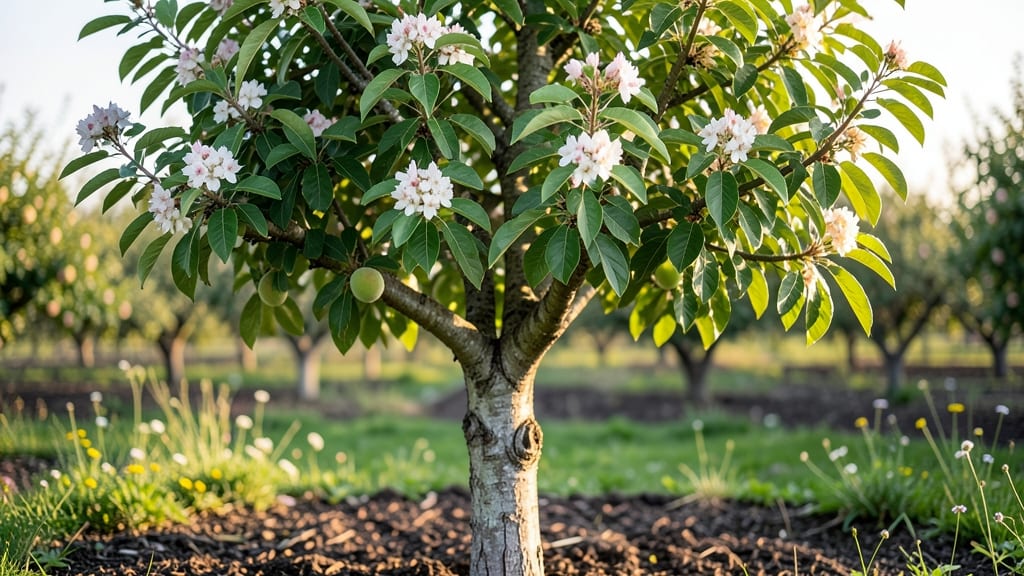
Peach trees grow best in zone 7 when you choose cold-resistant varieties, plant in well-draining soil with full sunlight, and protect them from late-season frosts. Varieties like 'Reliance' or 'Redhaven' handle zone 7's climate well and should be planted in early spring or fall.
Zone 7's climate—with its mild winters and warm summers—creates ideal conditions for peach trees, but timing is everything. 🌱 The region's average 10-20°F winter lows mean you need varieties that tolerate 300-500 chilling hours, while spring's unpredictable frosts demand careful planting schedules.
Proper soil drainage prevents root rot, and full sun exposure (at least 6-8 hours daily) ensures strong fruit development. I always recommend testing your soil's pH (aim for 6.0-6.5) and amending it with compost before planting.
For best results in zone 7, focus on varieties that balance cold hardiness with heat tolerance. Dwarf trees like 'Bonanza' are perfect for small spaces, while standard varieties like 'Elberta' produce larger yields.
Planting in early spring (after last frost) or fall (6-8 weeks before first frost) gives roots time to establish before extreme temperatures arrive. 🍑 Adding mulch helps regulate soil temperature and retain moisture, while companion plants like marigolds deter pests naturally.
💡 In This Article
- Understanding Zone 7 Climate for Peach Tree Success
- Top Cold-Hardy Peach Varieties for Zone 7 Gardens
Understanding zone 7 climate for peach tree success
Zone 7's climate creates a delicate balance for peach trees, where winter chill and summer heat must align perfectly. The region's average 10-20°F winter lows provide just enough cold to satisfy peaches' 300-500 chilling hours requirement, but not so severe that it damages the tree.
This chilling period is critical because it triggers dormancy and ensures proper flowering in spring.
Without enough chill hours, buds may fail to open, resulting in poor fruit set. 🌡️ The key is selecting varieties that match your specific zone 7 subregion—cooler microclimates near 7a need more chilling hours than warmer 7b areas.
Spring's unpredictable frost patterns pose the biggest challenge in zone 7. Peach blossoms emerge as early as February in southern parts of the zone, but late frosts (28°F or below) can devastate flower buds.
This is why planting timing matters—early spring plantings give roots time to establish before blooming season, while fall plantings (6-8 weeks before first frost) allow roots to develop without competing with summer heat.
The ideal planting window is when soil temperatures reach 50°F, ensuring root growth without stress. 🌱 Proper air circulation around the tree also helps prevent frost damage by reducing cold air pooling.
Summer heat tolerance is equally important, as zone 7 summers can exceed 90°F for extended periods. Peach trees handle heat well but struggle when combined with drought conditions. Their deep root systems need consistent moisture to reach 3-4 feet below ground, which is why well-draining soil is non-negotiable.
Sandy loam soils with 6.0-6.5 pH prevent root rot while allowing oxygen flow.
I've seen firsthand how trees in heavy clay soils develop fungal issues during hot spells, so amending with compost or organic matter is essential before planting. 💧 Mulching with 2-3 inches of wood chips helps retain moisture and regulate soil temperature.
The interplay between chilling hours and heat tolerance explains why some varieties thrive while others struggle. For example, 'Reliance' handles zone 7's climate because it requires only 400 chilling hours and tolerates summer heat better than varieties needing 600+ hours.
This balance is why zone 7 gardeners often choose freestone peaches—their pits separate easily from flesh, making them ideal for fresh eating and canning. The trade-off?
They may need more thinning during fruit development to prevent overcrowding. 🍑 Understanding these climate interactions helps you select varieties that match your specific microclimate within zone 7.
One often-overlooked factor is how zone 7's transitional seasons affect peach trees. The region's mild winters mean trees may break dormancy early, leaving them vulnerable to late frosts. This is why I recommend monitoring local frost dates and choosing varieties with staggered blooming periods.
For instance, 'Redhaven' blooms slightly later than 'Elberta', reducing the risk of total crop loss from a single frost event. Planting windbreaks or using frost cloths can also create microclimates that protect blossoms.
The goal is to extend the growing season while minimizing frost damage—something zone 7 gardeners must master for consistent peach production.