
Size
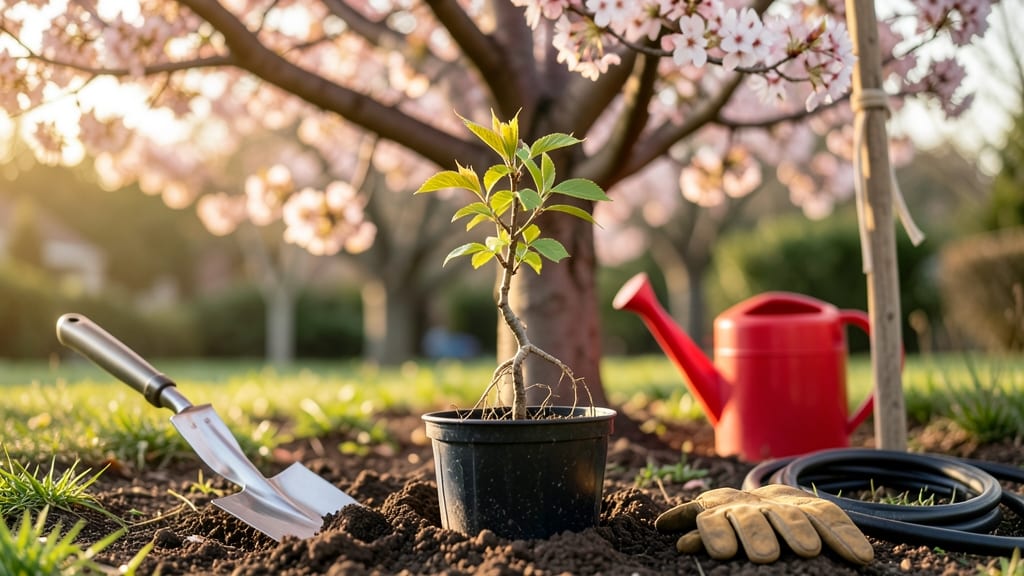
Growing sakura trees in a garden requires selecting the right variety and providing consistent care: opt for compact options like Sekiyama or Shidare Yoshino for limited spaces, ensure well-draining soil and full sunlight exposure, and maintain with annual pruning. Hardy varieties such as Weeping Cherry suit temperate climates best.
Sakura trees bring stunning seasonal color, but their success depends on matching your garden's conditions. 🌸 Compact varieties like Sekiyama mature at just 12-15 feet, making them perfect for urban yards, while Shidare Yoshino's graceful weeping branches add visual interest without overwhelming small spaces.
The key to their longevity lies in proper planting—well-draining soil prevents root rot, and full sun exposure (at least 6 hours daily) ensures vibrant blooms.
I've found that early spring planting, after the last frost, gives young trees the best start, while regular pruning in late winter promotes stronger branch structure and more abundant flowers.
For colder climates, prioritize cold-hardy types like Weeping Cherry (USDA zones 5-8) that withstand winter temperatures down to -20°F. These varieties also tend to have longer bloom seasons, extending your garden's visual appeal.
Remember that sakura trees grow best when planted at least 15-20 feet from structures to allow proper air circulation—this prevents fungal issues and supports healthier growth patterns over time.
💡 In This Article
- Choosing Sakura Tree Varieties for Small Gardens
- Planting and Maintaining Sakura Trees for Long-Term Health
Choosing sakura tree varieties for small gardens
Sakura trees offer stunning visual impact, but their size and growth habits vary dramatically between varieties. The Sekiyama cultivar stands out as an excellent choice for small gardens, reaching just 12-15 feet at maturity while producing abundant pink blossoms in early spring.
Its compact form makes it ideal for urban yards or patios, where space is limited. The Shidare Yoshino, with its graceful weeping branches, grows slightly taller (15-20 feet) but spreads wider, creating an elegant cascade effect that softens vertical lines in the landscape.
Color variations also play a crucial role in garden design. The Kanzan variety features deep double pink blossoms that create a dramatic focal point, while its upright growth habit (25-30 feet) suits larger gardens.
For white blossoms, consider the Taihaku, which matures at 25-30 feet but produces fragrant flowers that attract pollinators. The bloom season typically lasts 1-2 weeks, so choosing varieties with staggered bloom times (like planting both early and late bloomers) extends your garden's visual appeal throughout spring.
Growth rate is another critical factor—Sekiyama grows about 1-2 feet per year, making it perfect for container gardening, while Shidare Yoshino grows 2-3 feet annually and requires more space. Root systems also differ: dwarf varieties develop shallower roots, making them less invasive but more sensitive to drought.
Understanding these growth patterns helps you select a variety that matches both your garden's dimensions and your long-term maintenance capabilities.
Consider your climate zone when choosing varieties. Weeping Cherry (Prunus subhirtella) thrives in colder regions (USDA zones 5-8) and produces pale pink blossoms even in late winter. Its cold hardiness makes it ideal for northern gardens where traditional sakura varieties might struggle.
For warmer climates (zones 7-9), the Yoshino Cherry (Prunus × yedoensis) offers excellent disease resistance and vibrant light pink flowers that create stunning canopy effects.
Visual impact extends beyond blossoms—leaf color and fall foliage matter too. The Kanzan develops deep green leaves that turn yellow in autumn, while Shidare Yoshino features lighter green foliage that creates a delicate contrast.
When planning your garden layout, consider how these seasonal changes will interact with your existing plants and structures. For example, placing a Shidare Yoshino near a patio creates a beautiful spring canopy while allowing sunlight to reach lower plants.
Remember that sakura trees grow best when planted with 3-5 feet of clearance from buildings and other trees to prevent root competition and improve air circulation. This spacing also makes maintenance tasks like pruning and harvesting fallen blossoms much easier.
For container gardening, choose dwarf varieties in 15-20 gallon pots with drainage holes, and replace the top 2 inches of soil annually to maintain fertility.