
Pruning
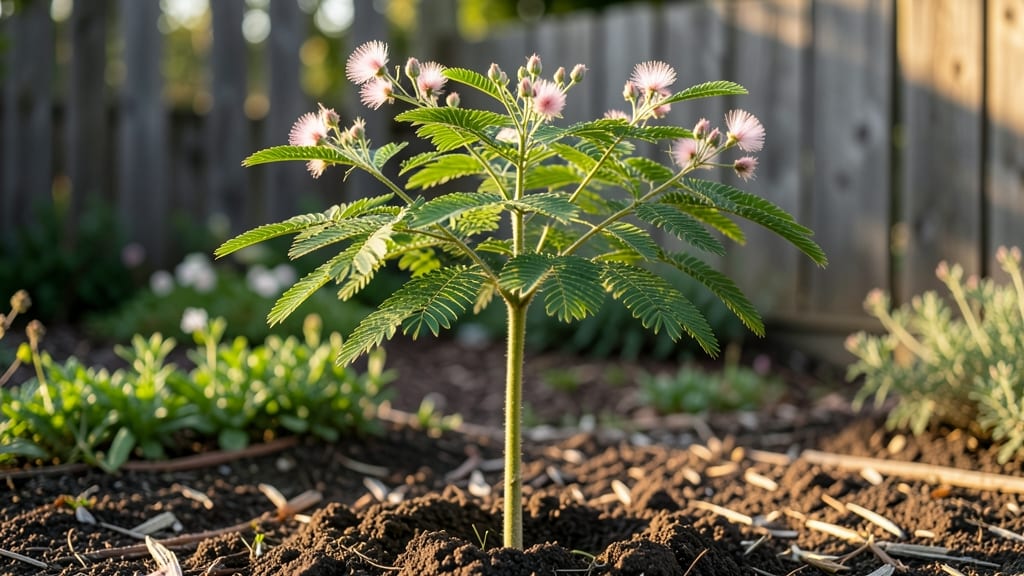
Growing silk tree seedlings (Albizia julibrissin) from scratch gives you a head start on that dreamy, fern-like canopy with its signature pink pom-pom flowers. 🌿 I’ve nurtured these delicate seedlings through their first year, and the key to success lies in mimicking their natural habitat—well-draining soil, bright but filtered light, and patience during their slow-but-steady growth phase.
The real magic happens in the first 6-8 weeks after planting, when those feathery leaves unfurl and the roots establish deep.
You’ll need a 5-gallon pot for starters, a mix of 60% potting soil and 40% perlite, and a spot that gets morning sun with afternoon shade—especially in hotter zones. Overwatering is the #1 killer, so let the top inch dry out between waterings.
By summer, you’ll be rewarded with 3-4 foot tall seedlings that handle transplant shock better than nursery-bought trees. The fern-like foliage stays lush even in drought, and those iconic pink blossoms appear by year two. Just watch for aphids on new growth—spray with soapy water if you spot them.
These cold-hardy varieties thrive in Zones 8-11, making them perfect for Mediterranean climates or sheltered urban spaces. Once established, they need minimal care—just occasional pruning to shape that stunning, airy silhouette. Let’s get those seedlings thriving!
📚 In This Guide
- What you need
- Instructions
- Tips and common mistakes
- Wrapping up and next steps
What you need
- ● Silk tree seeds or seedlings: 1-5 seeds (if starting from scratch) or 1-2 young seedlings (nursery-bought). Pro tip: 💡 Opt for cold-hardy varieties like 'Summer Chocolate' or 'Pink Dawn' for better resilience!
- ● Well-draining potting mix: 5-10 gallons (or enough to fill your container). Mix 50% garden soil, 30% perlite/sand, and 20% compost for ideal aeration.
- ● Container or garden plot: For seedlings: 5-7" diameter pots (or larger for multiple seeds). Ensure pots have drainage holes!
- ● For mature trees: A 6' x 6' x 6' planting hole in full sun (6+ hours/day).
- ● Watering can or hose: With a gentle spray nozzle (to avoid seed displacement).
- ● Mulch: 2-3 inches of wood chips or pine straw to retain moisture and regulate soil temp.
- ● Pruning shears: Sharp, bypass-style (for shaping young seedlings or removing dead branches).
- ● Gloves: Heavy-duty gardening gloves (silk tree leaves can be fuzzy and irritating!).
- ● Fertilizer: Balanced 10-10-10 or slow-release granular (apply once in spring).
- ○ Shade cloth: 30-50% coverage (optional for seedlings in zone 11’s intense heat).
- ● Soil pH test kit: Silk trees thrive in slightly acidic to neutral soil (6.0-7.5 pH).
Step-by-step instructions for growing silk tree seedlings
Silk trees grow fast but need the right start—here’s how to nurture strong seedlings that thrive in your climate.
🌱 Step 1: Select and Prepare the Right Soil Mix
Silk trees (Albizia julibrissin) prefer well-draining, slightly acidic soil with a pH between 6.0 and 7.0. Mix equal parts of garden soil, compost, and coarse sand to improve aeration and prevent root rot. Avoid heavy clay—it suffocates delicate roots and causes stunted growth.
Fill a 6-inch pot with your blend and moisten it until damp but not soggy. Press the soil lightly to remove air pockets, then create a 1-inch deep planting hole with your finger. This ensures the seedling’s roots settle properly without sinking too deep.
☀️ Step 2: Plant Seeds at the Correct Depth and Temperature
Silk tree seeds germinate best in warm soil (70-80°F). Plant 2-3 seeds per pot at a depth of ½ inch, spacing them 1 inch apart. Cover lightly with soil—too much pressure will delay germination. Place the pot in a humidity dome or plastic bag to retain moisture.
Keep the soil consistently moist (not waterlogged) and place the pot in a bright, indirect light spot. Germination takes 14-21 days, but seeds may take longer in cooler conditions. If you notice mold, remove the cover immediately to prevent damping-off.
💧 Step 3: Provide Gradual Light Exposure and Watering
Once seedlings emerge, remove the humidity cover and move them to a south-facing window or under grow lights (12-14 hours/day). Silk trees need full sun to develop strong stems, but young seedlings can scorch in direct midday heat. Start with morning sun only, then gradually increase exposure over 7-10 days.
Water when the top inch of soil feels dry, using room-temperature water to avoid shocking the roots. Overwatering is the biggest killer—yellowing leaves signal excess moisture. Reduce watering slightly if you notice wilting, as silk trees are drought-tolerant once established.
🌿 Step 4: Transplant Seedlings When Strong Enough
Seedlings are ready for outdoor planting when they reach 6-8 inches tall and have 3-4 sets of true leaves. Choose a sunny, sheltered spot with protection from strong winds. Dig a hole twice as wide as the root ball but no deeper to prevent stem rot.
Gently remove the seedling from its pot, loosen the roots if they’re circling, and place it in the hole. Backfill with soil, firm lightly, and water deeply. Mulch around the base with 2-3 inches of organic mulch to retain moisture and regulate soil temperature.
✂️ Step 5: Prune and Fertilize for Healthy Growth
Silk trees grow quickly, so prune in early spring to shape the tree and remove dead branches. Cut just above a leaf node to encourage bushier growth. Avoid heavy pruning in fall—it stimulates tender new growth that won’t survive winter in colder zones.
Fertilize once in spring with a balanced 10-10-10 formula to support new foliage. Skip fertilizer in summer unless the tree shows signs of stress (yellowing leaves). Silk trees are adaptable but thrive best in well-draining soil with occasional feeding—don’t overdo it.
Tips & tricks for growing healthy silk tree seedlings
Here's what nobody tells you about nurturing these fast-growing beauties from seed to sturdy sapling.
Soil Mix Precision: When creating your equal-parts blend of garden soil, compost, and coarse sand, sift the coarse sand through a fine mesh screen first. This removes any gritty particles that could irritate delicate seedling roots. I learned this the hard way after watching seedlings struggle with rough texture—smooth sand makes all the difference. The 6.0-7.0 pH range is critical too; test your garden soil before mixing if you're unsure. You can adjust pH with lime (to raise) or sulfur (to lower) if needed.
Germination Temperature Tip: Maintaining that 70-80°F soil temperature is easier than it sounds. Place your pots on a seedling heat mat or nestle them in a warm spot like on top of your refrigerator. I use a small thermometer probe buried in the soil to monitor temps—this prevents the common mistake of assuming room temperature is warm enough when it's actually too cool. If germination stalls after 21 days, consider using a heat source.
Light Transition Strategy: The gradual 7-10 day light exposure increase is where most people fail. Start with just 2-3 hours of morning sun daily, then add another hour each subsequent day. I've seen seedlings get sunburned when moved too quickly—look for pale green leaves that gradually darken as they acclimate. If you're using grow lights, position them 6-12 inches above seedlings for even coverage.
Transplanting Readiness Check: Before moving seedlings outdoors, do the 6-8 inch height and 3-4 sets of true leaves check, but also test their resilience. Gently tug on the stems—if they resist and don't pull easily from the pot, they're ready. I also check the undersides of leaves for pests before transplanting. The twice-as-wide hole is crucial; it prevents root binding and gives roots room to establish without circling.
Pro Tips for Silk Tree Seedling
- Here's what nobody tells you about nurturing these fast-growing beauties from seed to sturdy sapling.
- Soil Mix Precision: When creating your equal-parts blend of garden soil, compost, and coarse sand, sift the coarse sand through a fine mesh screen first.
- Germination Temperature Tip: Maintaining that 70-80°F soil temperature is easier than it sounds.
Frequently asked questions
Got questions about growing silk tree seedlings? You’re not alone! Here are answers to the most common queries from gardeners just like you—whether you're troubleshooting, planning, or looking for alternatives.
How long does it take for a silk tree seedling to grow into a mature tree?
A silk tree (Albizia julibrissin) seedling typically takes 5–10 years to reach maturity (15–25 feet tall), but growth speed depends on climate, soil, and care. In warmer zones (8–11), expect faster growth—sometimes 3–5 feet per year with proper watering and sunlight. Patience pays off with its stunning, fern-like foliage!
Can silk tree seedlings survive winter in colder zones (like Zone 8)?
Yes! Silk trees are cold-hardy to Zone 7, but young seedlings (under 3 years old) may need winter protection. Mulch the base with 4–6 inches of organic mulch (like straw or wood chips) and wrap the trunk with burlap if temps drop below 10°F. Older trees handle frost better—just avoid planting in windy spots.
How often should I water a silk tree seedling?
Water deeply 2–3 times per week for the first year, keeping soil consistently moist (not soggy). Once established, reduce to once a week (or when topsoil dries 2 inches down). Silk trees hate "wet feet"—ensure well-draining soil to prevent root rot. Pro tip: Use a moisture meter for accuracy!
Are there faster-growing alternatives to silk trees for shade?
If you want quick shade, consider these Albizia cousins:
- Mimosa tree (Albizia lebbeck): Grows 4–6 feet/year in warm climates (Zones 9–11).
- Silky oak (Grevillea robusta): Fast-growing (3–5 feet/year) but less cold-hardy (Zone 10+).
- Southern magnolia: Slower but drought-tolerant (Zones 7–10).
Why are my silk tree seedlings’ leaves yellowing or dropping?
Yellow leaves usually signal overwatering, nutrient deficiency, or pests. Check these fixes:
- Overwatering: Let soil dry slightly between waterings.
- Nutrients: Apply a balanced fertilizer (10-10-10) in spring.
- Pests: Spider mites or aphids? Spray with neem oil or insecticidal soap.
- Transplant shock: If recently planted, avoid stress by keeping it well-watered for 2 weeks.
Wrapping up and next steps
Growing a silk tree seedling is a rewarding journey that brings beauty and resilience to your garden, especially in zones 8-11.
With the right care—whether it’s pruning for shape, protecting against pests, or ensuring proper sunlight—you’ll nurture a stunning, cold-hardy tree that thrives for years. Don’t stop here! Now that you’re equipped with the know-how, start planting your seedling today and watch it flourish into a majestic centerpiece for your outdoor space. 🌱✨