
Landscaping
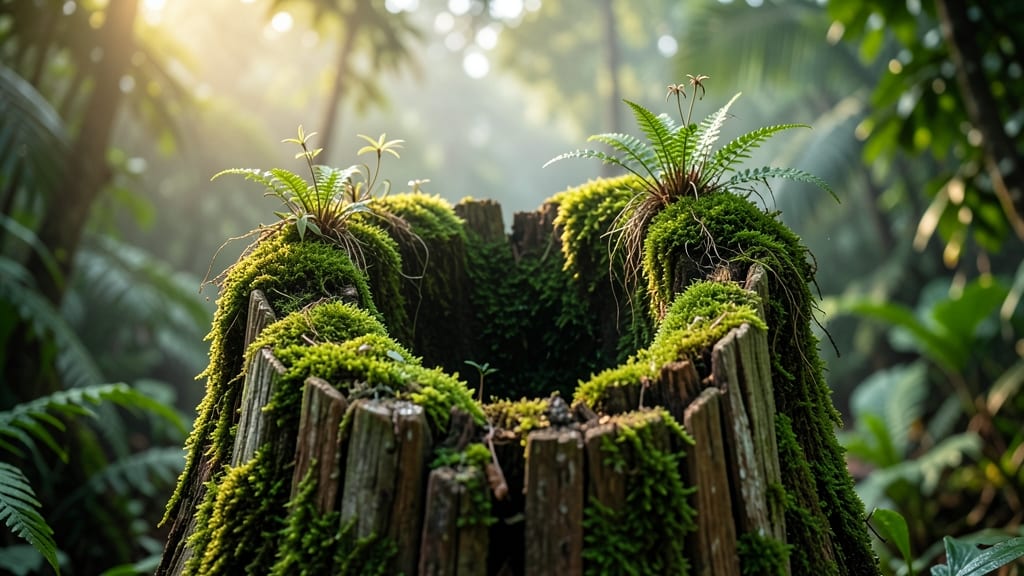
Transforming old tree stumps into bird houses adds charm to your garden while providing vital nesting spaces for local wildlife. These creative designs blend natural aesthetics with functional bird habitats, perfect for eco-conscious gardeners and DIY enthusiasts.
Classic Woodpecker Stump House
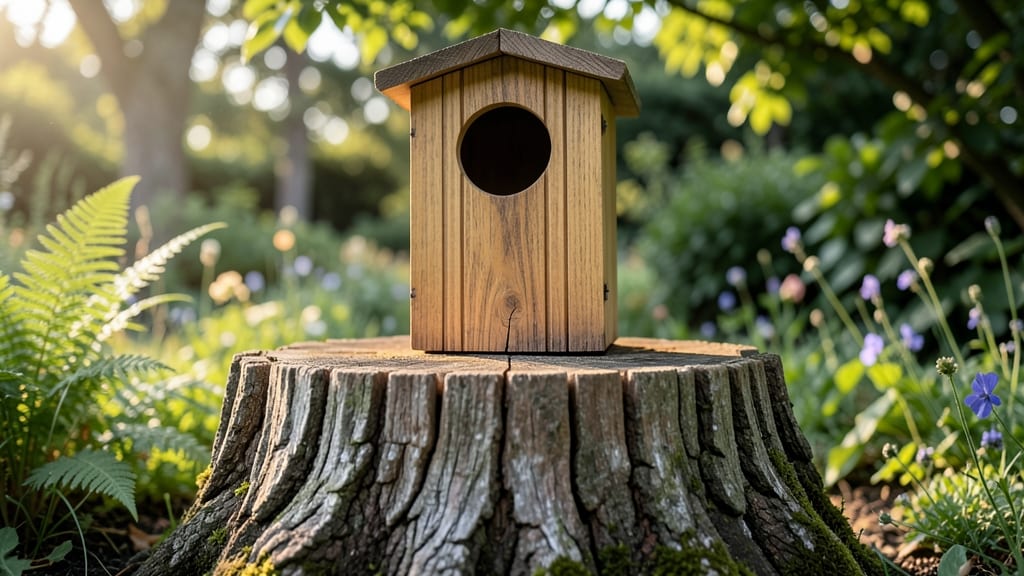
Want to turn your garden into a haven for woodpeckers and their feathered friends? A classic woodpecker stump house is the perfect way to mimic nature’s own bird hotels. These designs replicate the natural cavities woodpeckers carve into trees, making them irresistible to species like downy woodpeckers, nuthatches, and chickadees—especially in wooded gardens.
Start with a dry, untreated stump (cedar or oak work well) and carve a vertical entry hole about 1.5 inches in diameter, positioned 5-10 feet off the ground. Avoid paint—birds prefer natural wood textures—and add a slightly sloped roof to keep rainwater out. Place the stump near deciduous trees where birds can forage for insects and seeds.
This design is ideal for gardeners who love low-maintenance wildlife solutions and want to support cavity-nesting birds. Plus, it adds rustic charm to any garden! 🌿
Open-Fronted Bluebird Stump Nest
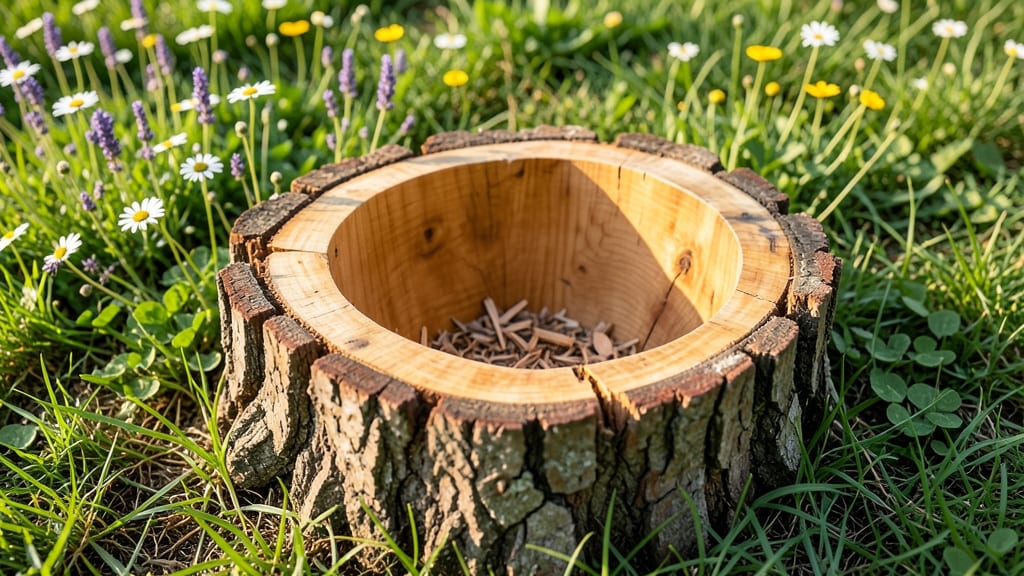
Watch bluebirds and tree swallows bring life to your lawn with an open-fronted stump nest—the perfect solution for open spaces where traditional enclosed houses might fail. This design mimics natural cavities while offering unobstructed views for parent birds to monitor their young.
The shallow, open-front entry (about 1.5 inches wide) lets birds easily enter and exit, while predator guards (like wire mesh or angled roofs) deter snakes and raccoons. Place it in a sunny, open lawn with nearby perches—bluebirds love short grass for easy takeoffs. Use untreated cedar or pine for longevity, and avoid paint, which can harm birds.
This design is ideal for gardeners in open fields or suburban yards who want to support cavity-nesting birds without dense foliage. Your garden will hum with activity as these cheerful birds become regular visitors! 🌟
Multi-Level Stump Condo
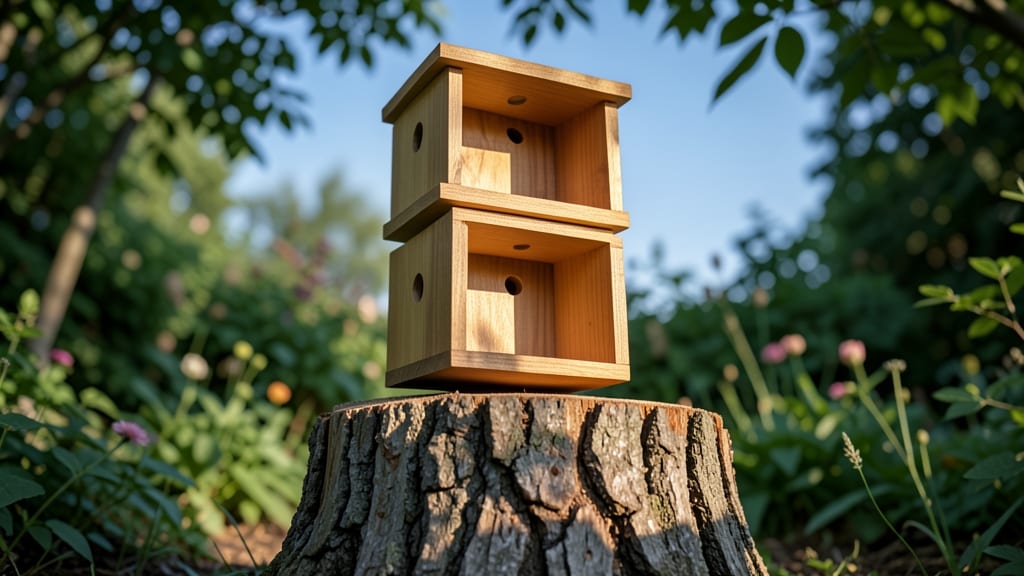
Turn one tree stump into a bustling bird community hub with this multi-level condo design. Instead of one generic nesting box, this vertical stack creates separate homes for wrens, finches, and sparrows, each with their preferred entrance size and compartment depth.
Start by drilling three compartments at different heights (12", 24", and 36" from the base), each with entrance holes sized for specific species: 1.25" for wrens, 1.5" for finches, and 1.75" for sparrows. Use untreated cedar or pine for natural durability, and add predator baffles around each opening. Place your stump condo near dense shrubs for extra protection, and watch as different bird families move in simultaneously.
This design is perfect for small urban gardens where space is limited but biodiversity is key. It’s also a fantastic project for families—kids love watching which species claim which floor! 🌿
Hollowed-Out Owl Perch House
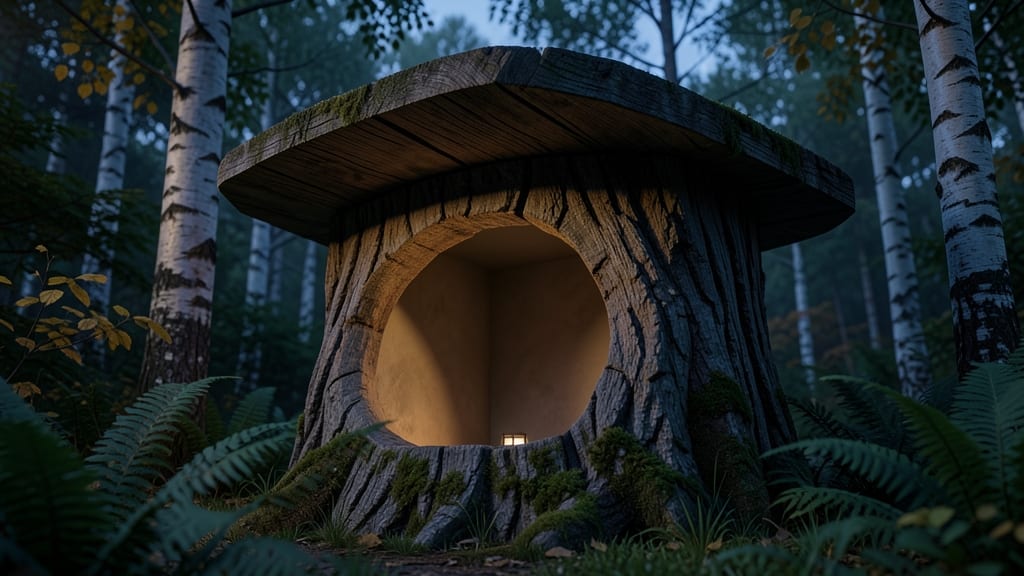
Transform your woodland garden into a nighttime haven with this hollowed-out owl perch house—a stealthy design that mimics natural tree cavities while offering shelter for owls and larger songbirds. Unlike traditional birdhouses, this flat-roofed structure provides a spacious, predator-resistant space perfect for species like barred owls or great horned owls.
The wide entrance (at least 6 inches in diameter) accommodates larger birds, while the flat roof prevents rainwater buildup—a critical feature for woodland dwellers. Position it near dense shrubs or trees for camouflage, and avoid placing it too close to high-traffic areas where disturbances might scare off potential tenants. Use untreated cedar or pine for durability, and add a perch ledge outside the entrance to give birds a secure landing spot.
This design is ideal for gardeners in forested or semi-wild areas who want to support nocturnal wildlife. Plus, the natural aesthetic makes it a striking focal point in any woodland garden. 🌿
Mushroom-Shaped Fairy House
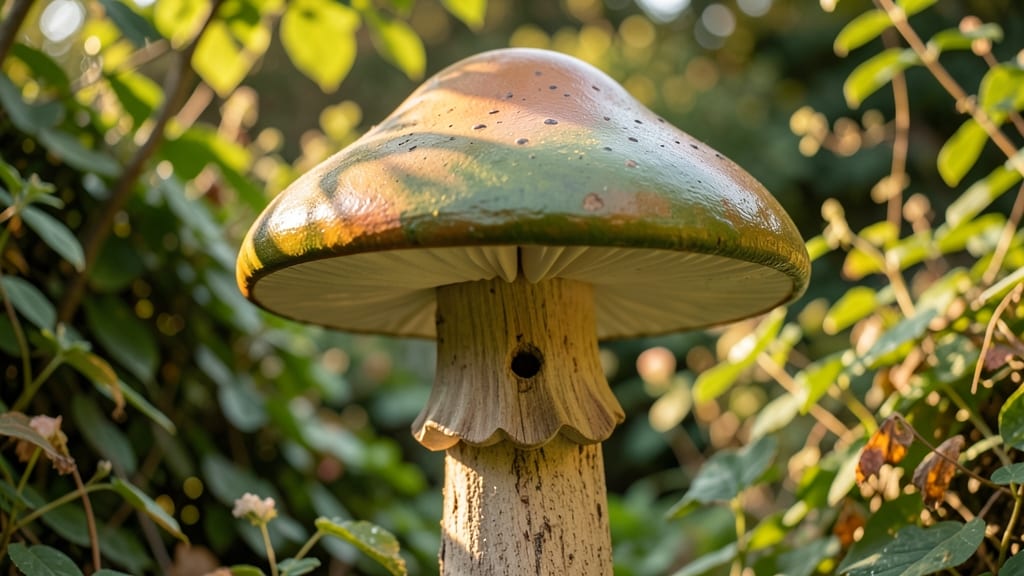
Turn your garden into a fairy-tale retreat with a mushroom-shaped birdhouse that doubles as a whimsical home for tiny birds like fairy wrens and hummingbirds. This charming design mimics the natural shapes of toadstools, complete with a domed roof and a cozy, tiny entrance—perfect for adding a touch of magic to your cottage garden.
To create this enchanting birdhouse, start with a small tree stump (about 6-8 inches tall) and carve out a shallow cavity with a 1.5-inch diameter entrance—ideal for small birds. Use untreated wood for safety, and paint the exterior with non-toxic, water-based stains in earthy tones or soft pastels to blend seamlessly with your garden. Place it in a shady, sheltered spot surrounded by wildflowers or ferns to attract your feathered guests.
This design isn’t just for show—it’s a functional and delightful addition that appeals to gardeners who love blending functionality with fantasy. Perfect for cottage gardeners, fairy enthusiasts, or anyone who wants to add a touch of whimsy while supporting local wildlife. ✨
Bamboo-Wrapped Stump Nest
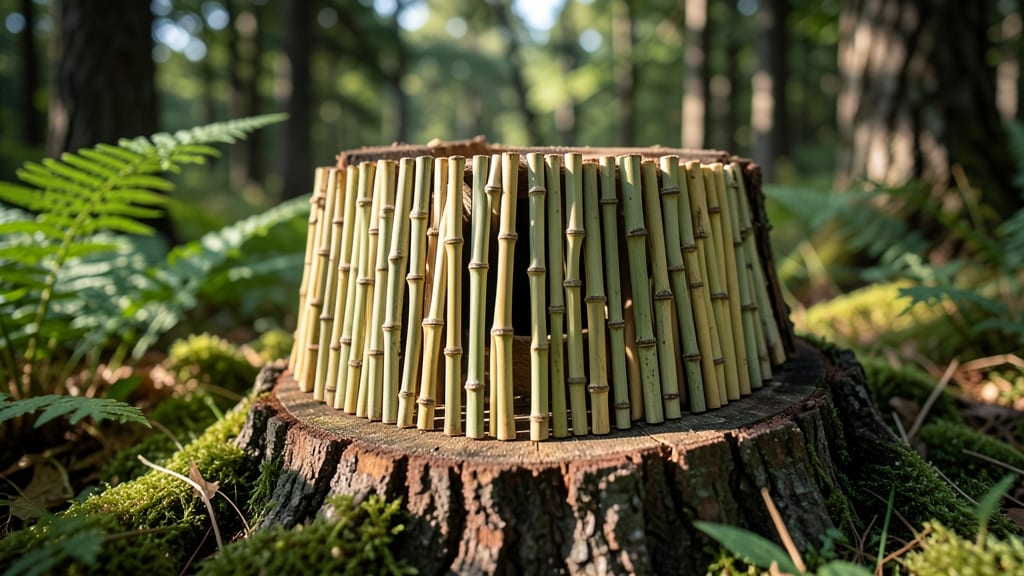
If you love the look of bamboo but want to create a birdhouse that blends seamlessly into your garden, this design is for you. Wrapping your tree stump nest in natural bamboo strips mimics the look of a shady forest floor, creating a cozy, inviting space for birds that prefer cover.
The insulating properties of bamboo help regulate temperature inside the nest, making it ideal for titmice and warblers that thrive in dense shrubbery. Use vertical bamboo strips (about 1-inch wide) to cover the stump, leaving the entrance hole exposed. Secure them with eco-friendly glue or nails, then add a touch of moss at the base for extra camouflage.
This design is perfect for gardeners who want to attract shy, woodland birds while keeping their garden looking lush and natural. The bamboo’s durability also means your birdhouse will last for years with minimal upkeep. 🌿
Solar-Powered LED Stump Light
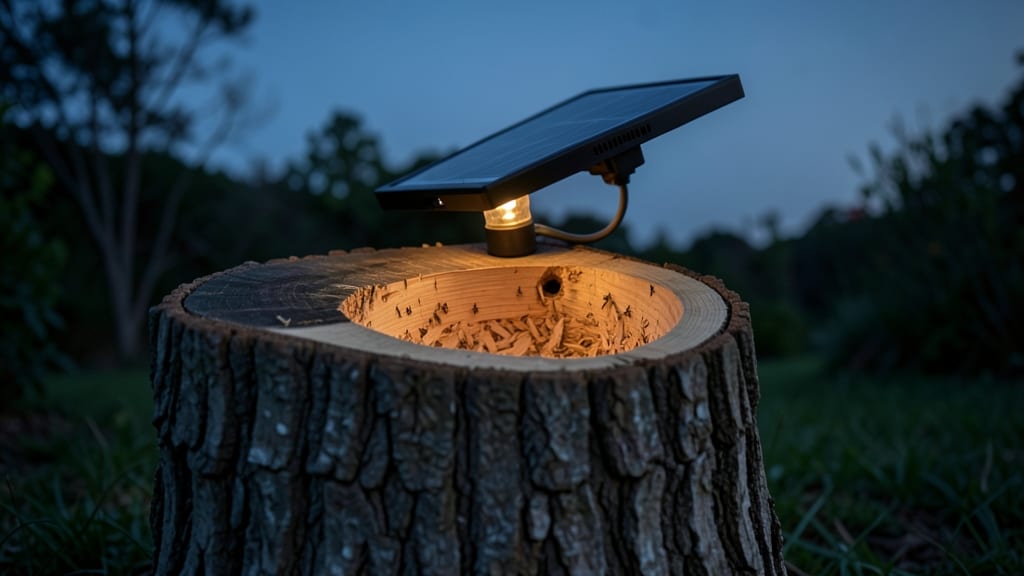
Turn your tree stump into a nighttime haven for insect-eating birds with a solar-powered LED stump light—a clever combo that illuminates nests while luring moths, beetles, and other nocturnal snacks. The built-in solar panel charges during the day, powering warm LEDs that glow softly at dusk, creating a safe feeding zone for bats, nightjars, and insectivorous songbirds.
Install a small solar light fixture near the birdhouse entrance (or embed it in the stump’s roof) to cast gentle light on the surrounding foliage. This not only helps parent birds spot predators but also attracts insects that become an all-you-can-eat buffet for chicks. Use low-wattage LEDs (3-5 watts) to avoid disturbing nocturnal wildlife, and position the stump in a spot with 6+ hours of sunlight for optimal charging.
This dual-purpose design is perfect for gardeners who love low-maintenance tech and want to boost their garden’s ecological value after dark. It’s especially useful in urban or suburban yards where natural insect populations are scarce. 🌟
Hanging Stump Birdhouse
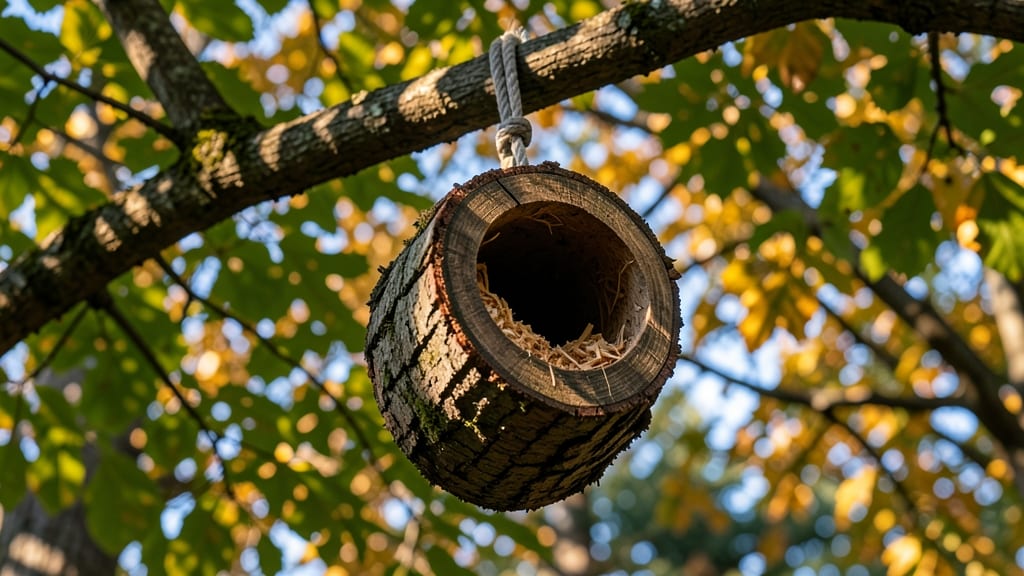
When space is tight but you still want to attract finches and chickadees, think vertically with a hanging stump birdhouse. This clever design suspends your stump from a sturdy tree branch, keeping it safely out of reach of ground predators like raccoons and snakes while maximizing limited garden real estate.
To create one, simply drill a 1.5-inch entrance hole (ideal for small birds) and attach heavy-duty chains or rope to hang it 5-10 feet above ground. Use untreated cedar or pine for longevity, and position it near dense shrubs for natural cover. Urban gardeners will love how this design works in small yards or balconies—just ensure the stump faces away from prevailing winds.
This solution is perfect for renters or those with limited garden space who still want to support local wildlife. The elevated placement also makes cleaning easier while keeping nests safe from ground threats. 🌟
Suet Cake Feeder Stump
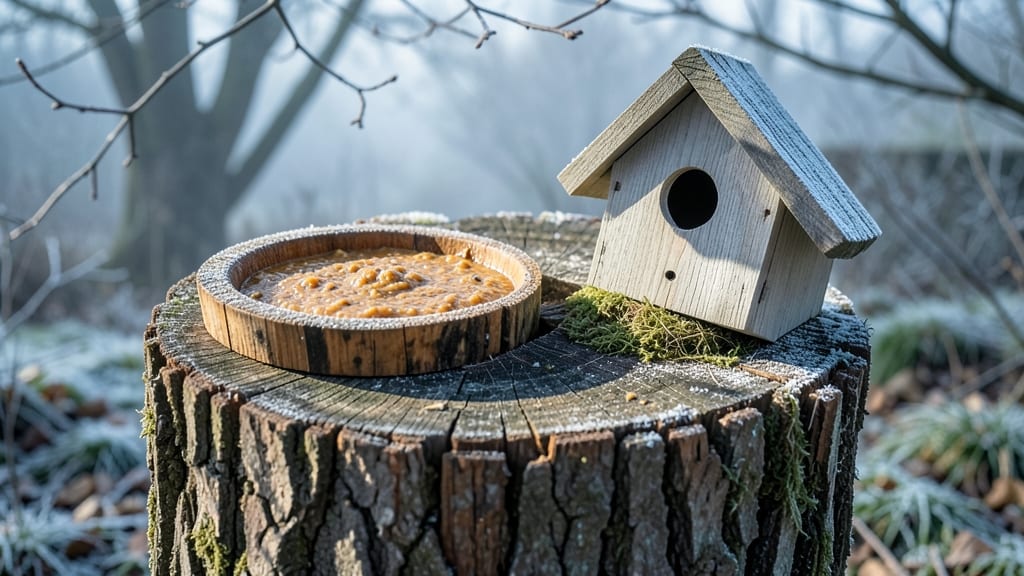
Winter birdwatching just got easier with a suet cake feeder stump—a two-in-one solution that keeps your feathered friends well-fed and provides shelter during cold months. Unlike standalone feeders, this design integrates a built-in birdhouse right into the stump, creating a cozy winter haven for woodpeckers, nuthatches, and tree creepers.
Place a suet cake holder on one side of the stump while carving a nest cavity on the opposite side. The natural wood texture blends seamlessly into your garden, while the elevated feeder keeps suet out of snow and rain. For extra appeal, add a perch near the feeder so birds can rest between meals. This setup is ideal for gardeners in USDA zones 4-8, where winter food sources are scarce.
Perfect for backyard birders who want to support wildlife without sacrificing aesthetics, this stump design turns a simple garden feature into a year-round bird magnet. 🌟
Living Moss-Covered Stump

Turn your tree stump into a lush, living sanctuary that thrives in humid climates while attracting tropical birds like thrushes and warblers. This design focuses on encouraging natural moss growth to create a self-sustaining ecosystem that regulates moisture and provides perfect nesting conditions.
Start by selecting a stump with a slightly concave top—ideal for retaining moisture. Use a moss-friendly sealant on the interior to prevent rot while allowing the exterior to stay porous. Place the stump in a shaded, damp area and cover it with a mix of sheet moss and sphagnum moss, securing it with natural twine. Thrushes love this setup because it mimics their natural forest floor habitat, offering both camouflage and a stable microclimate.
This low-maintenance design is perfect for gardeners in rainy or coastal regions, where humidity naturally supports moss growth. It’s also a stunning focal point that blends seamlessly into woodland gardens. 🌿