
Plants
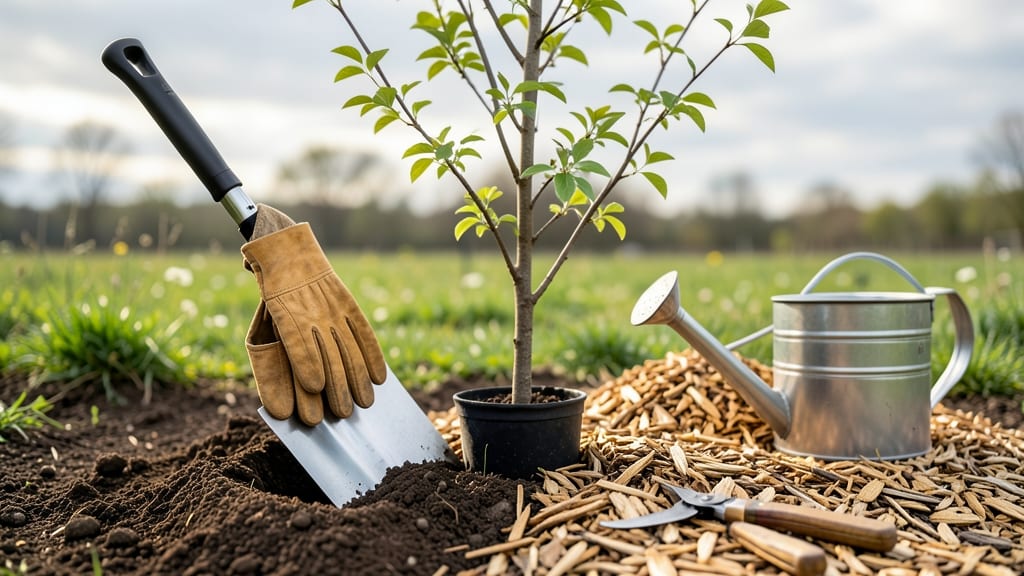
Planting a tree in Texas at the right time means the difference between a thriving 🌳 and a struggling sapling fighting through drought and heat.
If you’ve ever watched a newly planted tree wilt under a Texas summer sun, you know timing is everything. The wrong month can leave roots exposed, invite pests, or even kill your investment before it takes hold.
Texas spans three distinct climates—from the humid South to the arid West—so there’s no one-size-fits-all answer. But the best months for most trees are fall and early spring, when temperatures are mild and rain is more reliable.
Below, I break down the ideal planting windows by region, the top drought-resistant trees for Texas soil, and the critical steps to ensure your new tree survives—and thrives—for decades.
Texas tree planting calendar: best months by region and climate zones
Texas’ climate is as diverse as it is extreme—from North Texas’ cool winters to South Texas’ sweltering humidity and West Texas’ arid droughts. Planting a tree at the wrong time can mean the difference between a thriving shade provider and a struggling sapling.
The key? Align your planting with USDA Zones 8-10 and regional microclimates. Here’s your science-backed planting schedule tailored to Texas’ four distinct regions.
Fall and early spring are the golden windows for tree planting across Texas, but the exact months shift depending on your location. North Texas gardeners can push planting later into the season, while South Texas’ heat demands earlier action.
Even within these broad guidelines, microclimates matter—urban heat islands, elevation changes, and soil types all play a role. For example, a live oak in Austin (Zone 8b) needs different care than a pecan tree in Lubbock (Zone 7b).
Below is a region-by-region breakdown of the best planting months, including adjustments for container-grown trees (which can be planted year-round with proper care) and bare-root saplings (best planted dormant).
Always check your local frost dates—North Texas’ last frost is typically around February 15, while South Texas rarely sees frost after January 15.
For North Texas, the fall window (October-December) is ideal because cooler temperatures and consistent rainfall help roots establish before winter dormancy.
If you’re in Dallas or Fort Worth, aim to plant by December 1 to avoid early frosts. Spring planting (February-March) works too, but avoid waiting until April—summer’s heat will stress young trees. Pro tip: Amend clay-heavy soils with compost to improve drainage.
In Central Texas, where cities like Austin and San Antonio
Top 10 fast-growing Texas trees and their ideal planting seasons
Texas’ brutal summers and unpredictable winters demand smart tree planting. Fast-growing native species like live oaks and cedar elms thrive when planted during their natural growth cycles. The key? Align planting with cooler months to give roots time to establish before heat stress hits.
For live oaks and Texas redbuds, aim for late fall to early spring (October–March). These trees drop their leaves in summer, so planting during dormancy reduces transplant shock. Pecan trees, however, prefer fall planting (October–November) to establish roots before their heavy fruiting season begins.
Drought-resistant varieties like Texas mountain laurel and Mexican sycamore also benefit from fall planting. Their deep root systems develop best when soil temperatures are cooler, helping them survive Texas’ 100°F+ summers with minimal supplemental water.
Avoid planting in summer heat—even drought-tolerant species like Texas ebony suffer from transplant shock when soil temperatures exceed 90°F. Instead, opt for bare-root trees in fall, which establish roots faster than container-grown saplings.
For container-grown trees, plant in early spring (February–March) to give roots time to adapt before summer. Water deeply 2–3 times per week for the first month, then taper to weekly deep watering once established. Mulch with 2–3 inches of organic matter to lock in moisture.
Pro tip: Amend clay-heavy soils with compost or sand before planting. This improves drainage and helps roots spread faster—critical for Texas’ variable rainfall. With the right timing and care, your fast-growing Texas trees will thrive for decades. 🌳