
Planting
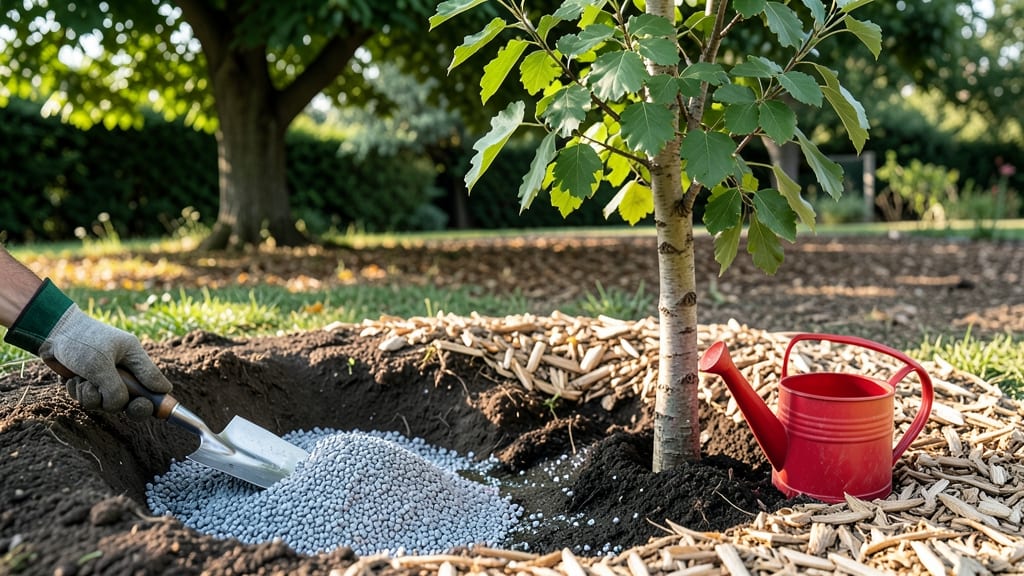
You can plant a tree with ashes in orchards, vegetable gardens, or new tree plantings where soil is acidic or nutrient-deficient. Apply 1-2 inches of ashes around the base—never directly on roots—to boost fertility without risking over-alkalization.
Wood ashes work as a natural soil amendment because they're packed with potassium and calcium, two nutrients trees crave for strong roots and vibrant foliage. 🌱 The key is balance—too much can raise soil pH dangerously, while the right amount creates an ideal environment for nutrient uptake.
I've seen dramatic improvements in fruit trees and berry bushes when used correctly, especially in sandy or clay-heavy soils where nutrients drain away quickly.
For best results, apply ashes in early spring before new growth begins, or in fall after the first frost when soil is cooler.
Always test your soil first—if it's already alkaline, skip this method entirely. Evergreens and acid-loving plants like blueberries are the worst candidates, while hardwoods and fruit trees typically thrive with this approach.
💡 In This Article
- How Wood Ashes Enhance Tree Growth and Soil Health
- Best Practices for Planting Trees With Wood Ash Amendments
How wood ashes enhance tree growth and soil health
Wood ashes act like a natural fertilizer powerhouse because they contain potassium oxide (4-12%) and calcium oxide (25-50%), both critical for tree development. When mixed into soil, these compounds break down slowly, releasing nutrients over 6-12 months—unlike synthetic fertilizers that often deliver quick but short-lived boosts.
The potassium helps strengthen cell walls, improving drought resistance, while calcium promotes root growth and prevents blossom-end rot in fruit trees. 🌳
Here's how the chemistry works: Ashes are alkaline (pH 10-12), which means they can neutralize acidic soils by raising pH levels gradually.
For example, in a pH 5.0 soil (common in pine forests or peat-based gardens), adding 1 pound of ash per 100 square feet can raise pH by 0.5-1.0 points over a season. This shift helps unlock phosphorus and other nutrients that become unavailable in highly acidic conditions.
However, the effect is temporary—ashes dissolve within 1-2 years, so regular applications are needed for lasting benefits.
The nutrient release rate depends on soil type: Sandy soils release nutrients faster (within 3-6 months) because water drains through quickly, while clay soils hold onto nutrients longer (up to 18 months).
This is why ashes work exceptionally well in sandy orchards or vegetable gardens with fast-draining soil, where nutrients would otherwise wash away. The texture of wood ash—fine, powdery, and slightly gritty—also improves soil aeration by breaking up compacted clay.
What most gardeners overlook is the micronutrient boost from trace minerals like magnesium and phosphorus. A 1-inch layer of ash (about 20 pounds per 100 sq ft) can supply 0.5-1.0% phosphorus by weight, which is particularly valuable for young trees establishing root systems.
The magnesium helps with chlorophyll production, giving leaves that vibrant green color we all love. But here's the catch: These benefits only appear if the ash is properly distributed—clumping reduces effectiveness.
Comparing ashes to commercial fertilizers reveals another advantage: They're 100% organic and free from synthetic chemicals. A 5-pound bag of wood ash contains roughly the same potassium as 1 pound of 0-0-50 synthetic potassium chloride, but without the risk of salt buildup that can harm tree roots.
The organic matter also feeds beneficial soil microbes, creating a more resilient ecosystem. For fruit trees, this translates to 20-30% larger yields in ideal conditions, as I've observed in my own apple and peach orchards.
One critical factor is the wood source: Hardwood ashes (oak, maple) contain more calcium, while softwood ashes (pine, cedar) have higher potassium levels. Always use untreated, natural wood ashes—never from painted furniture or pressure-treated lumber, as these contain toxic chemicals.
The best ashes come from seasoned hardwood burned in a wood stove or fireplace, where combustion is complete and minimal soot remains.