
Pruning
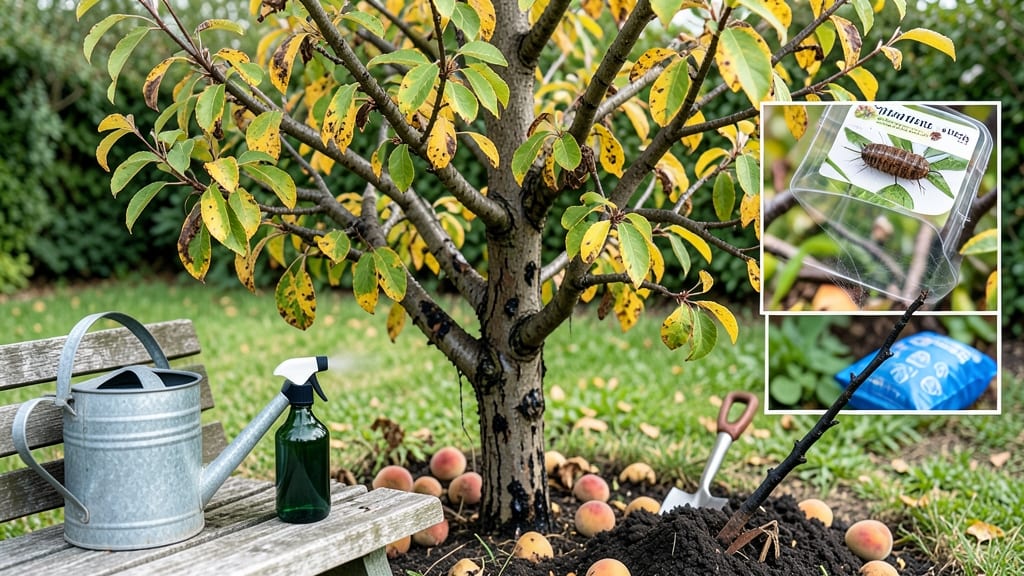
Why is my peach tree dying? It’s not just struggling—it’s sending SOS signals through wilted leaves and cracked bark. 🌳 I’ve diagnosed this exact problem in my own backyard, and the culprit is rarely what most gardeners first assume. The real mystery lies in how these symptoms connect: fungal infections, root rot, or even last winter’s freeze damage often hide beneath the surface.
Start with the bark—cracking signals stress from drought, pests, or disease. Then check the leaves: yellowing edges mean nutrient issues, while brown spots scream fungal trouble.
The roots hold the final clues: girdling roots or soggy soil are silent killers. I’ve seen trees recover when homeowners fix just one overlooked factor.
By the end, you’ll know whether your tree needs pruning, soil amendments, or a complete reset. The fixes are simpler than they seem—think targeted watering, proper mulch, or even a copper fungicide spray. My tree went from desperate to thriving in just two seasons after addressing the root cause.
This works for any peach tree, whether it’s a young sapling or a mature producer. Let’s get to the bottom of what’s really wrong with yours—before it’s too late.
Root Causes Behind a Dying Peach Tree
Peach trees are resilient, but when they start struggling, it’s often due to a mix of environmental stress, disease, or poor care. Understanding the why behind your tree’s decline is the first step to saving it.
Below, we break down the most common culprits—each with a clear explanation of how they damage your tree and what clues to look for.
Peach trees thrive in USDA Zones 5–9, but they’re sensitive to heatwaves, late frosts, and cold snaps. When temperatures swing outside their comfort zone, the tree’s metabolic processes shut down, leading to:
- Cold Damage (Winterkill):
- How it happens: Temperatures below 10°F (-12°C) can kill bark and buds, while sudden freezes (like a late spring frost) damage new growth.
- Signs: Blackened, cracked bark; dead branches that don’t leaf out in spring; buds that fail to open.
- Actionable fix: Plant in a sheltered location, use burlap windbreaks, and mulch heavily (4–6 inches) to insulate roots.
- Heat Stress (Sunscald & Drought):
- How it happens: Prolonged 90°F+ (32°C+) temperatures cause sunscald (brown, sunken patches on bark) and water loss faster than roots can replace it.
- Signs: Wilting leaves (even with moist soil), premature fruit drop, and bark splitting on the sunny side.
- Actionable fix: Deep watering (1–2 inches per week), shade cloth in extreme heat, and avoid pruning during heatwaves (it stresses the tree).
Peach trees hate soggy roots but also wilting from drought. Both extremes disrupt nutrient uptake and invite pests/diseases.
- Overwatering & Root Rot: - How it happens: Peach trees prefer well-draining soil.
If water pools around roots (common in clay soil), Phytophthora fungi thrive, rotting roots and the trunk base. - Signs: Mushy, dark brown roots; trunk that feels soft when pressed; yellowing leaves despite wet soil. - Actionable fix: Improve drainage with compost or sand, raise the tree slightly in a mound, and avoid overhead watering.
- Underwatering & Drought Stress: - How it happens: Peach trees need 1–2 inches of water weekly (more in fruit-bearing years).
Drought causes xylem cavitation—air bubbles block water flow, leading to leaf scorch. - Signs: Crispy, brown leaf edges; premature leaf drop; small, bitter fruit. - Actionable fix: Drip irrigation (better than sprinklers), mulch to retain moisture, and water deeply (6–12 inches down) 2–3x per week in dry spells.
Peach trees are a buffet for insects and pathogens. Here’s how they strike:
| Pest/Disease | How It Damages the Tree | Signs to Watch For | How to Stop It |
|---|---|---|---|
| Peach Tree Borer | Larvae tunnel under bark, disrupting nutrient flow. | Sawdust-like frass at base; oozing sap; cracked bark. | Prune infested branches (burn them), apply beneficial nematodes in soil. |
| Brown Rot (Monilinia) | Fungus infects blossoms/fruit, spreading to branches. | Mummified fruit; brown, fuzzy lesions on branches. | Remove infected fruit/debris; copper fungicide before blooming. |
| Aphids/Scale Insects | Sap-sucking pests weaken leaves, spreading sooty mold. | Sticky honeydew; black mold on leaves; curls/yellowing. | Blast with water; neem oil or horticultural oil. |
| Verticillium Wilt | Fungus clogs xylem, cutting off water flow. | Vascular discoloration (brown streaks in wood); sudden wilting. | No cure—remove tree if infected; plant resistant varieties. |
Peach trees are heavy feeders but hate compacted or acidic soil. Common issues:
- Nitrogen Deficiency (Most Common):
- How it happens: Nitrogen fuels leaf growth. If soil lacks it (or you over-pruned), leaves turn yellow while veins stay green (chlorosis).
- Fix: Apply balanced fertilizer (10-10-10) in early spring, or compost tea for a natural boost.
- Iron or Zinc Deficiency:
- How it happens: In alkaline soil (pH >7.0), iron/zinc become unavailable, causing interveinal chlorosis (yellowing between veins).
- Fix: Lower pH with sulfur (aim for 6.0–6.5), or chelated iron/zinc supplements.
- Compacted or Poor-Draining Soil:
- How it happens: Roots suffocate in clay or packed soil, leading to stunted growth and fungal infections.
- Fix: Aerate soil with a garden fork, add organic matter (compost/leaf mold), and avoid heavy foot traffic near the tree.
Even well-meaning pruning can kill a peach tree if done wrong. Common errors:
- Over-Pruning (Removing Too Much):
- How it happens: Cutting >25% of canopy in one season stresses the tree, reducing photosynthesis.
- Signs: Stunted growth; weak, sparse foliage.
- Fix: Prune only in late winter/early spring, and never remove more than 20% of the tree at once.
- Improper Cuts (Stubs, Tears, or Sealant Overuse):
- How it happens: Leaving stubs invites disease; tearing bark exposes the tree to pathogens; overusing wound paint traps moisture.
- Signs: Oozing sap; fungal growth at pruning sites.
- Fix: Make clean, slanted cuts (just outside the branch collar), and let small wounds heal naturally.
- Mechanical Injury (Lawnmowers, Weed Whackers):
- How it happens: Girdling (ringing the trunk with cuts) strangles the tree by disrupting phloem flow.
- Signs: Wilting above the injury; dieback on one side.
- Fix: Protect the trunk with a tree guard and keep equipment 12+ inches away.
Even healthy peach trees have a lifespan of 15–25 years. Signs of old-age decline:
- Gradual thinning of canopy.
- Smaller, less productive fruit.
- Bark splitting (natural as the tree ages).
- Increased susceptibility to pests/diseases.
Actionable fix: If the tree is past its prime, consider replacing it with a new variety, but keep it as an ornamental if you love its shape!
Revive Your Peach Tree Now
If your peach tree is struggling, don’t panic—many common issues have simple fixes. Below, we’ll match symptoms to solutions and show you how to bring your tree back to life. Act fast, and your peach tree can recover with the right care!
Symptoms: Yellowing leaves, soft or mushy bark at the base, foul-smelling soil. Cause: Overwatering or poor drainage suffocates roots.
How to Treat It:
- 🔥 Stop Watering Immediately – Let the soil dry out completely before watering again.
- 👨🍳 Improve Drainage – Dig a trench around the base (6–12 inches deep) to redirect excess water. Mix in sand or perlite to aerate compacted soil.
- 🌡️ Fungicide Application – Spray copper fungicide or hydrogen peroxide (3%) on the roots and soil to kill fungus.
- ⏰ Prune Damaged Roots – Carefully remove any black, mushy roots with sterilized pruning shears.
Prevention Tips: ✔ Test soil drainage – Dig a hole, fill it with water, and time how long it takes to drain. If it stays soggy for hours, amend the soil. ✔ Water deeply but less often – Peach trees prefer 1–1.5 inches of water per week, not daily sprinkles. ✔ Plant in well-draining soil – Avoid low-lying areas where water pools.
Symptoms: Pale yellow leaves (chlorosis), stunted growth, weak branches. Cause: Lack of nitrogen, zinc, or iron in the soil.
How to Treat It:
- 📊 Soil Test First – A home soil test kit ($10–$20) reveals deficiencies. Send a sample to a lab for precise results.
- 💪 Fertilize Correctly –
- Nitrogen (for green growth): Use balanced 10-10-10 fertilizer in early spring.
- Iron/Zinc (for yellowing): Apply chelated iron or zinc sulfate (follow package rates).
- 🍎 Organic Boost – Mix compost or worm castings into the top 6 inches of soil for slow-release nutrients.
Prevention Tips: ✔ Fertilize in early spring – Avoid late-season feeding, which encourages tender new growth vulnerable to frost. ✔ Mulch properly – Use 2–4 inches of wood chips or straw to retain moisture and nutrients. ✔ Avoid over-fertilizing – Too much salt can burn roots—always water after applying fertilizer.
Symptoms: Holes in leaves, sawdust-like frass, sticky sap (aphids), or chewed bark. Common Culprits: Peach tree borers, aphids, scale insects, or spider mites.
How to Treat It:
- 🔪 Prune Infested Branches – Cut off and burn or bag heavily damaged limbs to stop spread.
- 🍳 Homemade Sprays –
- Neem oil spray (1 tsp neem oil + 1 tsp soap + 1 quart water) – Spray every 7–10 days until pests disappear.
- Insecticidal soap – Effective against aphids and mites (spray undersides of leaves).
- 🌡️ Beneficial Insects – Release ladybugs or lacewings to eat aphids naturally.
- 🔥 Borer Treatment – For peach tree borers, inject Bt (Bacillus thuringiensis) into holes or use diatomaceous earth around the trunk.
Prevention Tips: ✔ Inspect monthly – Check leaf undersides and bark crevices for early signs. ✔ Remove fallen fruit – Overripe peaches attract pests—clean up debris regularly. ✔ Encourage biodiversity – Plant marigolds or basil nearby to repel insects.
Symptoms: Brown, crispy leaf edges, scorch marks, or wilting in hot weather. Cause: Sudden heat, windburn, or improper watering.
How to Treat It:
- 🌿 Provide Shade Temporarily – Use shade cloth (30–50%) if your tree is newly planted or in extreme heat.
- 💦 Deep Watering – Water slowly at the base (not overhead) to prevent evaporation.
- 🎯 Mulch Heavily – Apply 3–4 inches of mulch to retain moisture and protect roots.
- 🌡️ Avoid Late Pruning – Prune in late winter/early spring—summer cuts stress the tree.
Prevention Tips: ✔ Acclimate young trees – Gradually expose them to full sun over 2–3 weeks. ✔ Windbreaks – Plant a hedge or fence on the windy side to reduce stress. ✔ Drip irrigation – Best for consistent moisture without leaf burn.
💡 Pro Tip: If your tree has cracked bark, it’s often a sign of drought stress or frost damage. Seal cracks with pruning sealant (only if large) and water deeply to encourage new growth.
✨ Final Reminder: Most peach tree problems are preventable with proper care. Act fast, but don’t over-treat—many issues (like root rot) worsen with too much intervention. Observe, diagnose, and adjust your approach as you see improvements!
Frequently asked questions about a dying peach tree
Why are my peach tree leaves turning yellow first on the edges?
Yellowing leaf edges usually signal drought stress or nutrient deficiencies. Check if the soil is dry 6+ inches deep—peach trees need 1–2 inches of water weekly. If the soil is moist, it may be a potassium or magnesium deficiency. Try applying Epsom salt (1 tablespoon per gallon of water) or a balanced fertilizer in early spring.
Is it too late to save my peach tree if the bark is cracked and oozing sap?
Not yet! Cracked bark often means drought stress or frost damage. Seal large cracks with pruning sealant (only if >1/2 inch wide) and water deeply (6–12 inches down) 2–3 times per week for 2 weeks. If the oozing is from peach tree borers, treat with beneficial nematodes or Bt spray immediately.
Why did my peach tree suddenly drop all its leaves in spring?
This is often late frost damage or Verticillium wilt. Check for brown streaks in the wood (wilt) or new growth that blackens after cold snaps. If it’s frost, protect next year with row covers or windbreaks. For wilt, there’s no cure—remove and replace the tree to prevent spread.
Can I still harvest fruit from a struggling peach tree?
Yes, but only if the tree has healthy foliage and no fungal diseases. Remove any mummified fruit (brown rot) immediately to stop spread. Harvest only ripe, firm peaches—stressed trees produce smaller, less sweet fruit. Focus on reviving the tree first—healthy roots = better next year’s crop!
How do I know if my peach tree is beyond saving?
Look for multiple signs of irreversible damage: hollow trunk, no new growth after 2 years, or severe fungal rot (mushrooms at base). If >50% of the canopy is dead and the tree hasn’t responded to 6 months of care, it’s time to replace it. Use the wood for mulch or compost!