
Plants
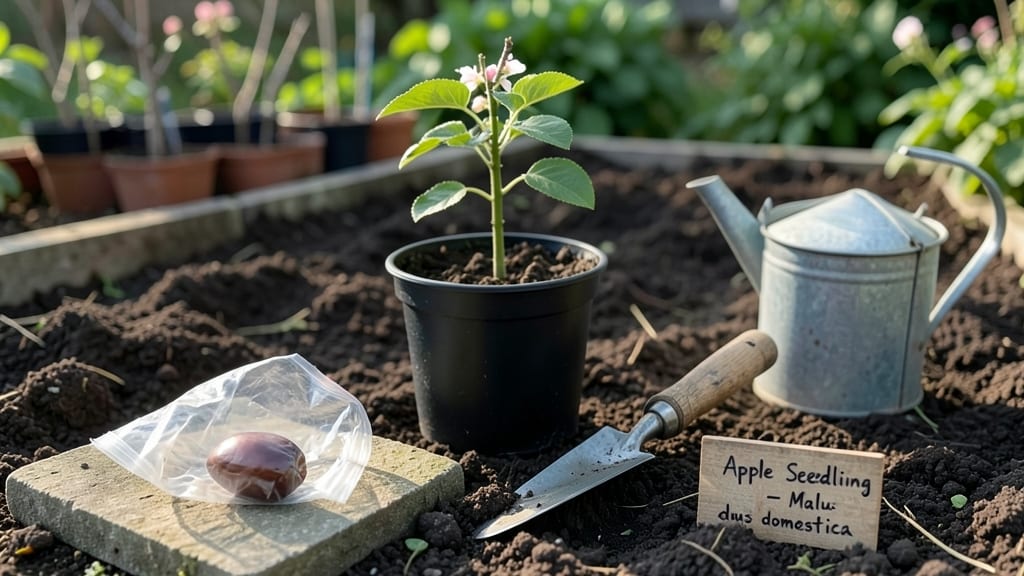
Planting an apple tree from an apple is possible but unreliable—only about 1% of seeds produce true-to-parent fruit. Use fresh, organic apples, extract seeds carefully, and stratify them for 6-12 weeks before planting in well-drained soil for best results. Grafting is far more effective for consistent varieties.
Growing an apple tree from seed is a fascinating experiment, but the odds are stacked against you. 🌱 Unlike grafting, which guarantees the same fruit variety, seeds produce unpredictable results—your tree might grow apples that are completely different in taste, size, or even color.
The key to success lies in proper seed preparation: removing the pit carefully to avoid damage, then mimicking winter conditions through stratification. This process tricks the seed into thinking it's experienced cold, breaking dormancy so it can sprout.
Even with perfect technique, most seedlings won't bear fruit for 5-10 years, if ever.
For those willing to take the gamble, organic apples from heirloom varieties offer slightly better odds of producing edible fruit. 🍏 The real challenge comes in maintaining the seedling's health during its vulnerable early years—poor soil, inconsistent watering, or pest damage can derail your efforts entirely.
Many gardeners combine seed-growing with grafting later to ensure they get the specific apple variety they want while still enjoying the novelty of a tree grown from their own kitchen scraps.
💡 In This Article
- Apple Seed Germination Science and Success Factors
- Step-by-Step Guide to Growing an Apple Tree from Seed
Apple seed germination science and success factors
The biological process behind apple seed germination begins with a natural survival mechanism called dormancy. Apple seeds enter this state to protect the embryo from germinating prematurely while still attached to the fruit. This dormancy has two phases: physiological (internal chemical block) and physical (hard seed coat).
The hard outer shell prevents water absorption, while internal inhibitors like cyanogenic glycosides delay growth until conditions are ideal. 🌱 Without proper intervention, these seeds might never sprout—even if planted immediately after extraction.
Temperature and moisture work together to break dormancy. Seeds require consistent moisture (about 50-60% humidity) and cold stratification at 34-40°F for 6-12 weeks to mimic winter conditions. This cold period triggers hormonal changes that allow the seed to absorb water and begin metabolic activity.
What most gardeners miss is that stratification must be moist but not waterlogged—excess water can cause rot, while too little prevents the necessary chemical reactions. The optimal balance creates tiny cracks in the seed coat, allowing water to penetrate and kickstart germination.
Genetic variability plays the biggest role in why most apple seeds fail to produce true-to-parent fruit. Apples are polyploid (multiple sets of chromosomes), meaning seeds from hybrid varieties often result in completely different genetic combinations.
Even if a seed germinates successfully, the resulting tree might produce apples that are smaller, sweeter, or entirely inedible compared to the parent.
This is why commercial orchards use grafting—it guarantees the exact same genetic material as the parent tree, while seeds introduce unpredictable variables. 🍎 The 1% success rate mentioned in the Quick Answer reflects this genetic lottery.
Light exposure also affects germination rates. Apple seeds need indirect light during stratification—direct sunlight can overheat the seeds and damage the embryo. The ideal setup uses a mix of sphagnum moss (to retain moisture) and perlite (to allow airflow) in a sealed container.
This combination keeps humidity stable while preventing fungal growth. Once stratification is complete, seeds should be planted ½ inch deep in well-draining soil and kept in partial shade until sprouts appear, typically within 2-4 weeks under optimal conditions.
Soil composition matters just as much as seed preparation. Apple seedlings thrive in slightly acidic soil (pH 6.0-6.5) with good drainage—clay-heavy soils can suffocate roots, while sandy soils may dry out too quickly. Adding compost or well-rotted manure improves nutrient availability without overwhelming the young plant.
The first year is critical: seedlings need 1 inch of water per week (more during drought) and protection from strong winds, which can uproot them. Many gardeners use row covers or temporary shelters to create a microclimate that mimics the protected environment of a nursery.
What most people don't realize is that even if your seedling survives, it may take 5-10 years before it bears fruit—and there's no guarantee the apples will be edible. The tree's growth rate depends on the specific genetic makeup inherited from the seed.
Some seedlings grow aggressively, while others remain stunted.
This unpredictability is part of the charm for experimental gardeners, but it's why grafting remains the preferred method for orchardists who need reliable, high-quality fruit. 🌿 For those willing to embrace the uncertainty, however, growing an apple tree from seed becomes a rewarding long-term project that connects you directly to the natural cycle of fruit production.