
Pruning
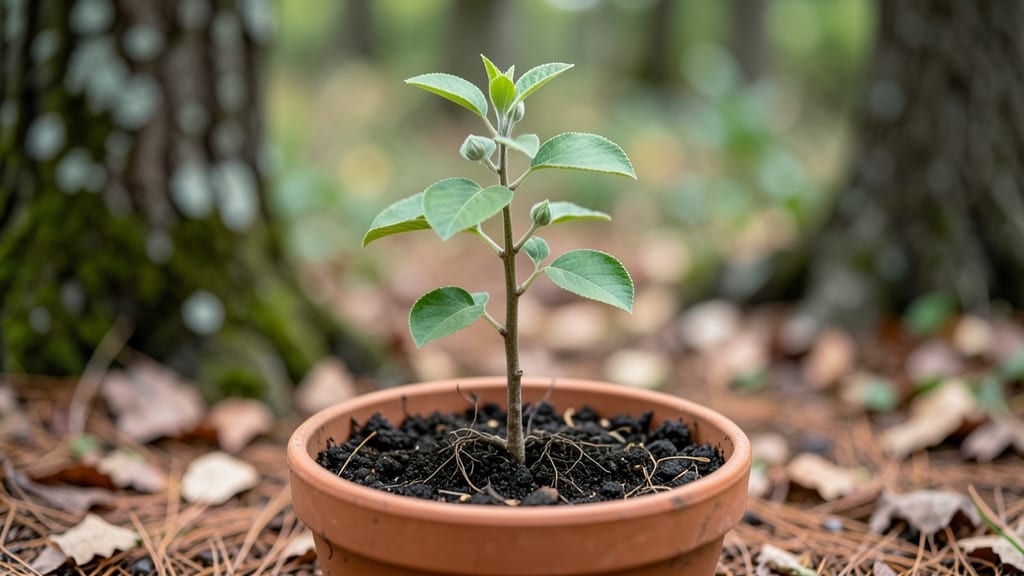
The identification of apple tree seedlings correctly saves years of disappointment—those jagged leaves and red stems aren’t always what you think. 🌱 I’ve spent hours sorting through seedlings at nurseries, only to realize half weren’t apple varieties at all.
The key lies in leaf shape, stem color, and growth patterns that set true apple seedlings apart from crabapples, hawthorns, or even wild cherries.
Start by examining the leaves: apple seedlings have serrated edges with a pointed tip, often with a slight asymmetry between top and bottom pairs. The stems are usually reddish when young, while crabapples tend toward green or brown.
Wild seedlings often grow faster with thinner bark—a red flag if you’re hoping for a productive fruit tree.
Once you’ve matched the visuals, the next step is sourcing. Wild-collected seedlings might grow into trees, but they’ll rarely produce consistent, high-quality fruit—think small, tart crabapples instead of your dream Honeycrisp.
Grafted seedlings (from reputable nurseries) guarantee the variety you planted, but even they need proper pruning in their first year to establish strong structure.
Accurate identification isn’t just about avoiding mistakes—it’s about long-term health. A misidentified tree might succumb to pests or diseases common to its true species, wasting years of care.
With the right clues, you’ll spot the real deal and set your seedling up for strong roots, better branches, and future harvests.
Understanding Seedling Confusion Causes
Identifying an apple tree seedling can feel like solving a botanical puzzle—especially when misidentification happens. The good news? Most errors stem from predictable patterns rooted in biology, genetics, or human oversight.
Let’s break down the real reasons why seedlings get mixed up, so you can spot the clues (and avoid the traps).
Apple trees grown from seed (rather than grafts) are not true-to-type. This means a seedling from a Honeycrisp apple won’t grow into another Honeycrisp—it could produce a completely different fruit or even a wild crabapple. Here’s why:
- Cross-pollination chaos: Apple trees are not self-pollinating. Wind or insects carry pollen from multiple varieties, creating genetic hybrids. A seedling’s traits (leaf shape, bark texture, growth habit) may resemble none of its parents.
- Dormant genes: Some traits (like disease resistance or fruit color) skip generations. A seedling might inherit a grandparent’s obscure trait, making it look unlike any known cultivar.
- Seed source matters: Seeds from store-bought apples (or even wild apples) are highly unpredictable. A "Granny Smith" seed could yield a tree with lobed leaves like a Malus floribunda (ornamental crabapple).
Actionable tip: If you’re serious about matching a specific apple variety, avoid seed-grown seedlings. Instead, buy grafted trees from nurseries—these are cloned from the parent tree and will produce the expected fruit.
Apple tree identification often hinges on leaf and stem characteristics, but these can be misleading if you don’t account for:
- Juvenile vs. mature leaves: Seedlings often have simpler, less lobed leaves than adult trees. A "lobed" leaf in a young seedling might flatten out as it matures, changing its appearance entirely.
- Environmental stress: Drought, poor soil, or pests can distort leaf shape. A healthy Fuji seedling might develop jagged edges if it’s nutrient-deficient, mimicking a McIntosh.
- Stem color and texture: Young stems can be glossy or hairy in seedlings, while mature bark may be rough or striped. Confusing a red-twigged crabapple (like Malus ‘Royalty’) with a fruit-bearing apple tree is easy if you focus only on leaves.
Pro tip: Compare your seedling’s leaves to a reference chart (like the USDA apple leaf database) and note both leaf shape and arrangement (alternate vs. clustered). Take photos at different growth stages!
Even experienced gardeners misidentify seedlings because of:
- Over-relying on one trait: Assuming a red fruit means "Delicious" or large leaves mean "Granny Smith" ignores the tree’s overall growth habit (e.g., upright vs. spreading).
- Seasonal blindness: Flowers, fruit, and fall foliage are critical clues—but if you’re identifying in winter, you might miss key details. Bark texture and bud shape become your best friends.
- Crabapple confusion: Many ornamental crabapples (Malus spp.) have apple-like leaves but no edible fruit. Their seedlings can look nearly identical to fruit-bearing varieties until they bloom.
Quick fix: Use a field guide or app like iNaturalist to cross-reference traits. When in doubt, wait until spring to see flowers or fall to check fruit.
Unusual leaf patterns, spots, or stunted growth can make a seedling look nothing like its parents. Common culprits:
- Apple scab (Venturia inaequalis): Causes dark, velvety spots on leaves, altering shape and making identification harder.
- Aphids or mites: Curled or puckered leaves may resemble a different species entirely.
- Fire blight (Erwinia amylovora): Blackened, wilted branches can make a tree look dead—yet the seedling might recover with a new growth pattern.
✨ Expert hack: If your seedling shows signs of stress, isolate it and treat it before assuming it’s a misidentified variety. Healthy leaves = clearer identification.
Now that you know the why behind seedling mix-ups, you’re one step closer to nailing that identification. Next up: How to Spot the Differences—where we’ll dive into leaf lobing, stem hairiness, and the telltale signs of crabapples vs. true apple trees.
Fixing Common Apple Seedling Mix-Ups
Now that you understand why misidentifying apple tree seedlings happens, let’s tackle the practical fixes—tailored to each root cause. Whether you’re dealing with immature growth, environmental confusion, or simply a lack of key details, these solutions will help you confidently ID your seedlings like a pro.
Problem: Leaves and stems haven’t developed enough for clear identification. Fix:
- Wait and Observe 🌱
- Apple seedlings take 1–2 growing seasons to show distinct traits. If leaves are tiny or stems are thin, mark the plant and revisit in spring. Look for:
- Leaf serration depth (deeper = mature)
- Bud scales (tight = young; loose = older)
- Pro Tip: Sketch the plant’s shape and note any unique features (e.g., red stems, fuzzy buds) to track changes.
- Apple seedlings take 1–2 growing seasons to show distinct traits. If leaves are tiny or stems are thin, mark the plant and revisit in spring. Look for:
- Compare with Known Samples 📋 - Gather reference images of local apple varieties (e.g., Granny Smith, Honeycrisp) and overlay them with your seedling’s traits.
Use a magnifying glass to inspect leaf edges and vein patterns. - Tool Tip: Apps like PictureThis or PlantNet can help match young seedlings based on partial traits.
- Accelerate Growth 💡
- Provide balanced fertilizer (10-10-10 ratio) to encourage faster, more identifiable growth. Avoid over-fertilizing—stick to every 4–6 weeks in spring/summer.
- Ensure 6+ hours of sunlight daily and well-draining soil (pH 6.0–7.0). Poor conditions stunt development, delaying ID clues.
Problem: Mistaking apple seedlings for pear, crabapple, or hawthorn due to similar leaf shapes. Fix:
- Leaf Shape Deep Dive 🍃
- Use this quick ID chart to rule out lookalikes:
| Trait | Apple | Pear | Crabapple | Hawthorn |
|---|---|---|---|---|
| Leaf Base | Asymmetric (uneven) | Symmetric (even) | Often lobed | Deeply lobed |
| Leaf Teeth | Fine serrations | Coarser, fewer teeth | Double-serrated | Sharp, jagged edges |
| Stem Hairiness | Smooth or slightly fuzzy | Often hairy | Very fuzzy | Nearly hairless |
| Bud Arrangement | Alternate | Alternate | Clustered | Spiral pattern |
- Memory Trick: Apples have "uneven teeth" (asymmetric base + fine serrations), while pears are "even-keel" (symmetric + coarse).
- Root and Bark Check 🌳
- Gently dig around the base to inspect:
- Apple roots: Thick, woody taproot (even in seedlings).
- Bark: Young apple bark is smooth with lenticels (tiny raised dots); pears often have horizontal stripes.
- Caution: Avoid damaging roots—use a trowel to lift soil, not the plant.
- Gently dig around the base to inspect:
- Smell Test 👃
- Crush a leaf between your fingers. Apples often emit a mild, sweet-green scent; pears may smell more floral or bitter.
Problem: Stress from weather, pests, or disease altering normal traits. Fix:
- Rule Out Stressors 🚨
- Pests: Check for aphids, mites, or borers (tiny holes in stems). Treat with neem oil or insecticidal soap if needed.
- Disease: Look for black spots (fungus) or oozing cankers. Prune infected areas with sterilized shears and apply copper fungicide.
- Weather Damage: If leaves are scorched or curled, the plant may be struggling. Move to a shadier spot temporarily to recover.
- Normalize Conditions 🌡️
- Watering: Keep soil moist but not soggy (1 inch of water weekly). Overwatering causes yellowing leaves, while underwatering leads to small, curled leaves—both mask true traits.
- Soil Test: Use a DIY test kit to check pH/nutrients. Amend soil with compost if deficient.
- Grafting Clues (If Applicable) 🔄
- If the seedling came from a grafted tree, the rootstock (wild apple) may show up as a sucker (sprout at the base). Compare suckers to the main tree’s leaves—often, the true variety will have larger, more vibrant leaves.
Problem: Still unsure after visual checks? Fix:
- Photo Databases 📱
- Upload clear images to:
- iNaturalist (community-verified IDs)
- USDA Plants Database (filter by your state)
- Pro Tip: Take close-ups of leaves, buds, and stems—apps struggle with blurry or distant shots.
- Upload clear images to:
- DNA Testing (For Serious Gardeners) 🧬
- Services like SmartDNA or Backyard Base offer seedling DNA kits ($50–$100). Mail in a leaf sample for 100% accuracy—ideal for heirloom or rare varieties.
- Label Everything 🏷️
- Use waterproof tags with the parent tree’s name and date planted. Include a sketch of key traits (e.g., “Red stem + serrated leaves”).
- Grow from Known Sources 🌱
- Buy certified apple tree seedlings from nurseries or propagate via grafting (ensures variety accuracy).
- Document Growth Stages 📖
- Take monthly photos and note changes. Over time, patterns emerge that confirm the variety.
- Join Local Orchard Groups 👥
- Facebook groups or Master Gardener programs often share regional ID tips and host seedling swap events with verified samples.
Final Reminder: Patience is key—apple seedlings reveal their secrets over time. If all else fails, graft a known variety onto the seedling’s rootstock for a guaranteed match! 🍏✨
Frequently asked questions about identifying apple tree seedlings
How can I tell if a young tree is an apple seedling or just a crabapple?
Look for asymmetrical leaf bases and fine serrations along the edges—true apple seedlings have uneven leaf shapes while crabapples often show deeper lobes. Check the stem too: apple stems are usually reddish when young, while crabapple stems tend to be green or brown.
What’s the best way to confirm a seedling’s identity if it’s too young to flower?
Use a magnifying glass to examine leaf details like serration pattern and vein structure. Compare with reference images from local nurseries or apps like PictureThis. For absolute certainty, consider a DNA testing kit—they’re affordable and provide 100% accuracy for heirloom varieties.
Can I grow fruit from a seedling I find in the wild?
Wild apple seedlings rarely produce consistent, high-quality fruit—they’ll likely grow into crabapples or other unpredictable varieties. For reliable fruit, plant grafted seedlings from reputable nurseries instead. Even if it bears fruit, wild seedlings often have smaller, tart apples.
How long does it take for apple seedlings to show clear identification traits?
Most distinguishing features (like mature leaf shape and bark texture) appear after 1-2 growing seasons. If your seedling is still small, mark its location and revisit next spring. Focus on stem color and bud arrangement in the meantime—they’re often visible even in young plants.
What should I do if my seedling looks diseased or stressed?
Isolate the plant and check for common issues like aphids, black spots (fungus), or fire blight. Treat with neem oil for pests or copper fungicide for diseases. Healthy leaves make identification much easier—stress can completely alter leaf shape and mask true traits.