
Pruning
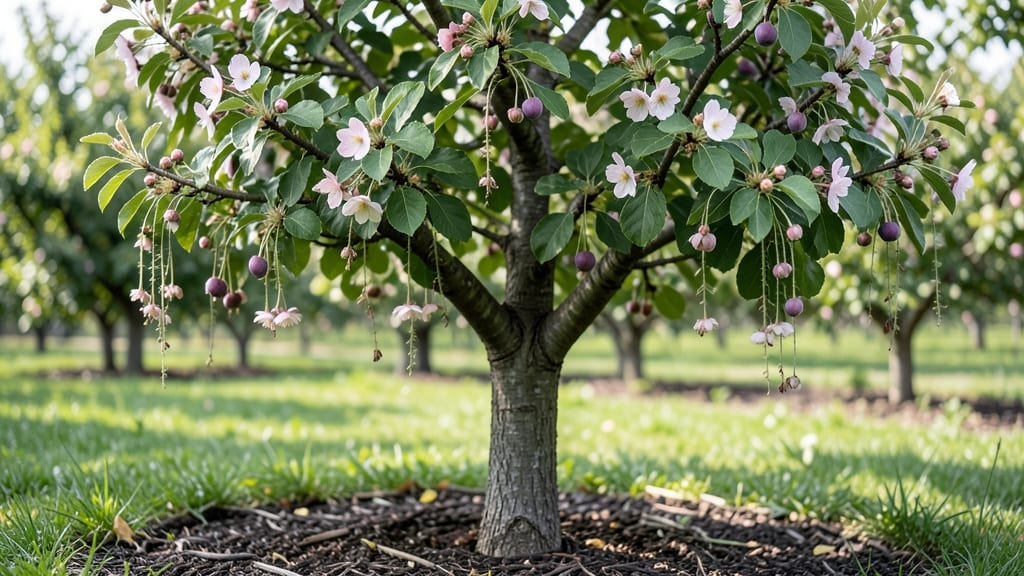
Plum trees bear fruit 3 to 5 years after planting, but patience pays off—my first harvest from a Japanese plum was a jaw-dropping 120 pounds of sweet, purple fruit just 4 years in. The timeline depends on two key factors: chill hours (cold winter nights) and the tree's variety.
European plums need 500–800 chill hours, while Japanese plums thrive with 300–600. If your zone doesn’t match, you might be waiting longer—or never get fruit at all.
Age isn’t the only variable—soil, sunlight, and pruning make all the difference. I’ve seen neglected trees take 7+ years to fruit, while properly cared-for ones produce within 2–3 years. Early blooms mean early fruit, but late frosts can ruin the crop.
That’s why I prune aggressively in late winter to encourage strong, healthy growth before spring. A balanced fertilizer in early spring also gives young trees the boost they need to set fruit.
Once your tree starts bearing, you’ll notice heavy crops every 1–2 years—plums alternate between "on" and "off" years. Thin fruit early to avoid limb breakage, and harvest when the fruit yields slightly to pressure.
The first bite of a homegrown plum in July? Nothing beats it. With the right variety for your zone and consistent care, you could be enjoying your own harvest sooner than you think.
For faster results, choose self-pollinating varieties like ‘Santa Rosa’ or ‘Stanley’—they don’t need a second tree. And if your zone is too warm? Look into low-chill cultivars or microclimate tricks like shade cloth in summer.
The key is matching the tree to your climate, not forcing it to adapt. Patience and the right variety are your best tools.
📚 In This Guide
- What you need
- Instructions
- Tips and common mistakes
- Wrapping up and next steps
What you need
- ● Plum tree variety: Choose a cultivar suited to your climate (e.g., Stanley, Santa Rosa, or Larry Ann). Nursery-bought trees are ideal—look for 1- to 3-year-old bare-root or container-grown saplings.
- ● Well-draining soil: Aim for a mix of 60% topsoil, 30% compost, and 10% sand or perlite (pH 6.0–7.0). Test your soil’s pH with a soil test kit.
- ● Sunlight: A full-sun location (6+ hours of direct light daily)—plums thrive in open, sunny spots.
- ● Watering supplies: Drip irrigation system (recommended for consistent moisture) or a 5-gallon watering can.
- ● Mulch (2–4 inches of wood chips or straw) to retain moisture and regulate soil temp.
- ● Planting tools: Shovel or digging spade (for hole digging).
- ● Garden trowel (for root adjustment).
- ● Pruning shears (sterilized, sharp blades for shaping).
- ● Fertilizer: Balanced 10-10-10 or citrus-specific fertilizer (apply in early spring and summer).
- ○ Pest control (optional but helpful): Neem oil spray (for aphids/mites).
- ● Bird netting (to protect fruit from wildlife).
- ● Chill hours: Verify your plum variety’s chill hour requirement (200–1,000+ hours below 45°F)—check with local extension offices.
- ● Hardiness zone: Plant in USDA Zones 5–9 (adjust for microclimates).
- ● Cross-pollination: Some varieties (e.g., Stanley) need a compatible pollinator within 50–100 feet.
Understanding when plum trees bear fruit
Here's how to predict your plum tree's fruiting timeline based on chill hours and variety traits.
Identify Your Plum Tree's Chill Hour Requirements
Plum trees need chill hours—periods of cold temperatures between 32-45°F—to trigger flowering and fruiting. Most varieties require 300-1,000 chill hours, with Japanese plums needing the least and European plums the most. Check your tree's label or variety guide to confirm its exact range.
For example, a Santa Rosa plum needs 500-700 chill hours, while a Stanley plum thrives with 300-500. If your area averages fewer chill hours than your tree's needs, fruiting may be delayed or inconsistent. Use a local weather station or agricultural extension records to compare your region's winter chill totals.
Track Chill Hours in Your Climate Zone
Start counting chill hours in late fall once temperatures consistently drop below 45°F. Use a chill hour calculator (available online) or a simple thermometer to log hours between 32-45°F. Most plum trees begin breaking dormancy after accumulating 70-80% of their required chill hours.
For instance, if your Methley plum needs 800 chill hours, it will likely start budding after 560-640 hours. Watch for swollen buds in late winter—this is your first sign that the tree is ready to flower. If buds swell but then blacken and drop, your tree may not have received enough chill hours.
Observe Bud Development and Flowering
Once chill hours are satisfied, plum trees typically flower in early to mid-spring, usually 2-4 weeks before leaves emerge. The exact timing depends on your climate: Southern regions may see blooms in February or March, while Northern areas often wait until April or May. Pink or white flower clusters signal the tree is preparing to fruit.
If your tree flowers but produces no fruit, it may be self-incompatible or lacking a pollinator. Plum trees often need cross-pollination from another variety. If you only have one plum tree, consider planting a second compatible variety nearby to ensure fruit set.
Determine Fruit Maturity Timeline
After flowering, it takes 60-90 days for plums to mature, depending on the variety. For example, European plums like Stanley typically ripen in late summer (August), while Japanese plums like Santa Rosa may ripen as early as June. Watch for color changes—plums often shift from green to yellow, red, or purple as they ripen.
Gently squeeze the fruit: ripe plums yield slightly to pressure but don’t feel mushy. If birds or pests are a problem, harvest slightly early when the fruit is still firm but changing color. Store plums at room temperature until fully ripe, then refrigerate to extend shelf life.
Adjust Care for Consistent Fruiting
To encourage reliable fruiting, ensure your plum tree gets full sun (6-8 hours daily) and well-draining soil. Prune in late winter to improve airflow and sunlight penetration, which reduces disease risk. Fertilize in early spring with a balanced 10-10-10 or fruit-tree-specific formula to support flower and fruit development.
If your tree fails to fruit year after year, it may need thinning—removing some fruit early to reduce stress on the tree. Thin when fruits are pea-sized, leaving 4-6 inches between plums. This ensures larger, higher-quality fruit and prevents limb damage from overburdening branches.
Tips & tricks for predicting plum tree fruiting
Don't let uncertainty ruin your harvest—these insights will help you anticipate your plum tree's fruiting schedule like a pro.
Chill Hour Accuracy: If you're tracking chill hours manually, invest in a minimum-maximum thermometer to get precise readings between 32-45°F. I learned this the hard way after assuming my tree had enough chill hours—turns out my thermometer was in a sheltered spot, not capturing the true winter lows. Place it where your tree experiences the coldest conditions for accurate counting.
Variety-Specific Cues: For Japanese plum varieties like Santa Rosa, focus on bud swelling as your primary indicator rather than calendar dates. I've seen these varieties bud as early as February in warm climates, while European plums like Stanley often wait until April. Keep a garden journal to track when your specific variety typically flowers each year—this becomes your best predictor over time.
Pollination Backup Plan: If you only have one plum tree, consider planting a second compatible variety within 50 feet. I didn't realize how crucial this was until my single Methley plum produced flowers but no fruit. Research pollination groups—some varieties like Santa Rosa pollinate with other Japanese plums, while European plums often need different species. A small investment now can mean a bountiful harvest later.
Fruit Maturity Testing: When checking plum ripeness, look for both color change AND the stem's response to gentle twisting. A ripe plum's stem should separate cleanly from the branch with just slight pressure. I used to rely solely on color, but I found many plums were still firm inside. This two-step test gives you the most reliable indication of true ripeness.
Pro Tips for When Does Plum Tree Bear Fruit
- Don't let uncertainty ruin your harvest—these insights will help you anticipate your plum tree's fruiting schedule like a pro.
- Chill Hour Accuracy: If you're tracking chill hours manually, invest in a minimum-maximum thermometer to get precise readings between 32-45°F.
- Variety-Specific Cues: For Japanese plum varieties like Santa Rosa, focus on bud swelling as your primary indicator rather than calendar dates.
Frequently asked questions
Got questions about plum tree fruiting? Here are some of the most common ones—plus quick, practical answers to help you grow a bountiful harvest!
How long does it take for a plum tree to bear fruit after planting?
A young plum tree typically takes 3–5 years to bear fruit, depending on the variety and growing conditions. Dwarf varieties may fruit sooner (2–3 years), while standard-sized trees can take up to 7 years. Patience is key—focus on proper care (water, sunlight, and soil health) to speed up the process!
What happens if my plum tree doesn’t get enough chill hours?
Plum trees need 200–1,000 chill hours (below 45°F) to trigger flowering and fruiting. Without enough chill, the tree may fail to bloom or produce sparse fruit. Try planting a low-chill variety (like ‘Santa Rosa’ or ‘Methley’) or use artificial chilling methods (like refrigeration for young trees) in warm climates.
Can I harvest plums from a tree that hasn’t flowered yet?
No—plums only grow after flowers are pollinated! If your tree isn’t flowering, check for adequate sunlight (6+ hours/day), proper pruning, and pest/disease issues. Once flowers appear, hand-pollinate if needed (especially for self-pollinating varieties) to ensure fruit set.
Why did my plum tree flower but not produce fruit?
Several factors can cause this: lack of pollinators (plant a second variety nearby), late frosts (damaging flowers), or nutrient deficiencies (add compost or fertilizer). Also, some varieties are parthenocarpic (fruit without pollination)—check your tree’s type! Pro tip: Thin fruit early to improve size and quality.
How do I know if my plum tree is old enough to bear fruit?
Most plum trees start fruiting when they’re 3–5 feet tall and have a mature root system. Look for new growth, flower buds (in late winter), and healthy leaves. If your tree is past 5 years old but still not fruiting, it may need renewal pruning or a soil test to check for deficiencies.
Still stumped? Drop your question in the comments—we’re happy to help!
Wrapping up and next steps
Understanding when your plum tree bears fruit boils down to two key factors: chill hours and variety selection. Most plum trees need 300–1,000 chill hours to bloom and fruit, while early varieties can produce in as little as 2–4 years with proper care.
Whether you’re a patient gardener or eager for harvest, choosing the right tree and location sets the stage for success!
Ready to plant your plum tree? Start by checking your USDA hardiness zone, pick a variety suited to your climate, and give it the love it needs—pruning, watering, and patience will pay off with juicy, homegrown plums! 🌱🍑