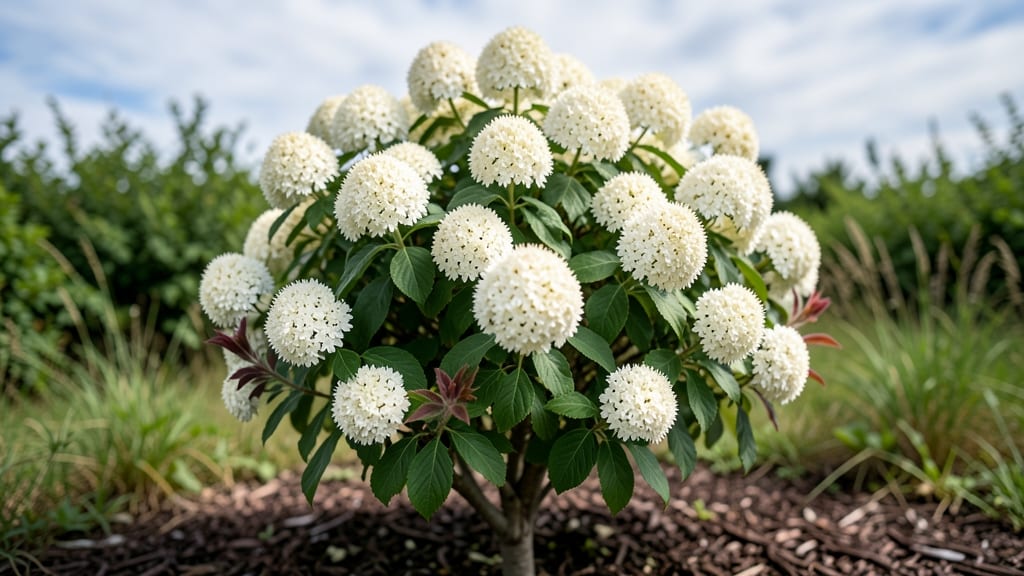
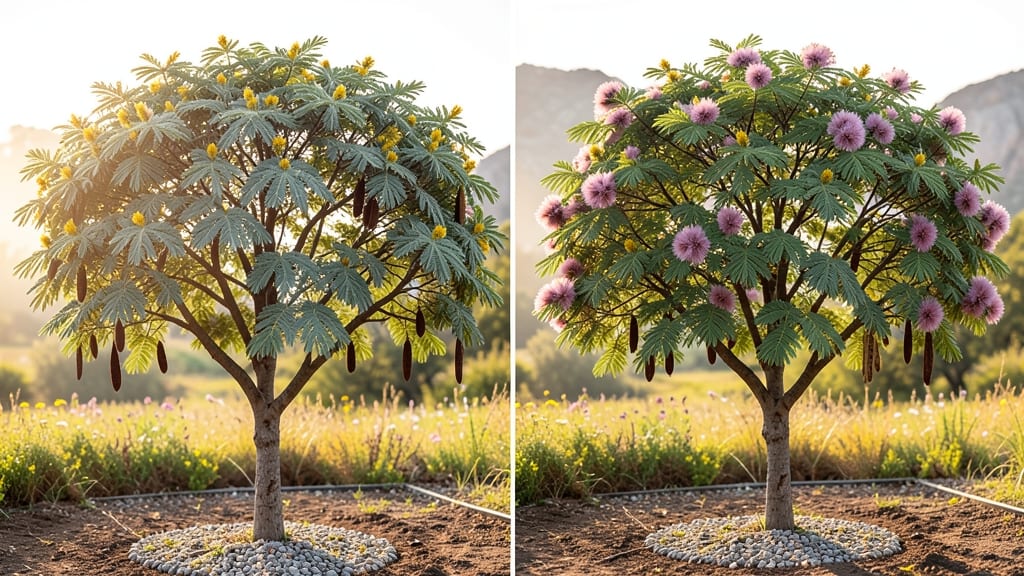
A snowball tree’s growth rate can turn a backyard into a lush, white-blossom wonderland in just a few years—but how fast it climbs depends on the variety you choose and where you live. Picture this: You plant a 3-foot…
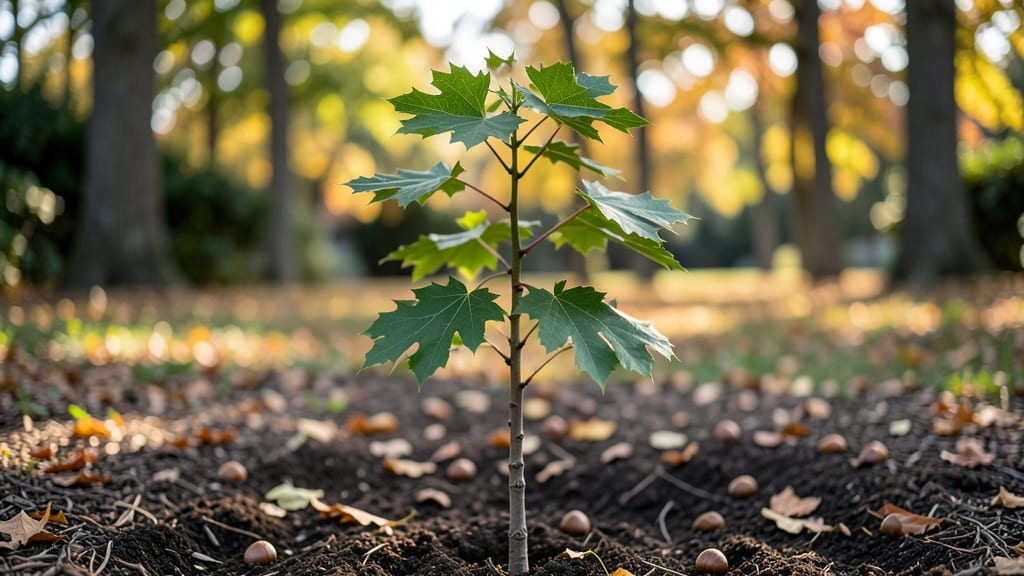
Planting a sugar maple tree sapling means decades of brilliant fall color and strong roots—if you get the early years right. 🌳 The secret to cold-hardy growth starts with the right soil, spacing, and watering routine…
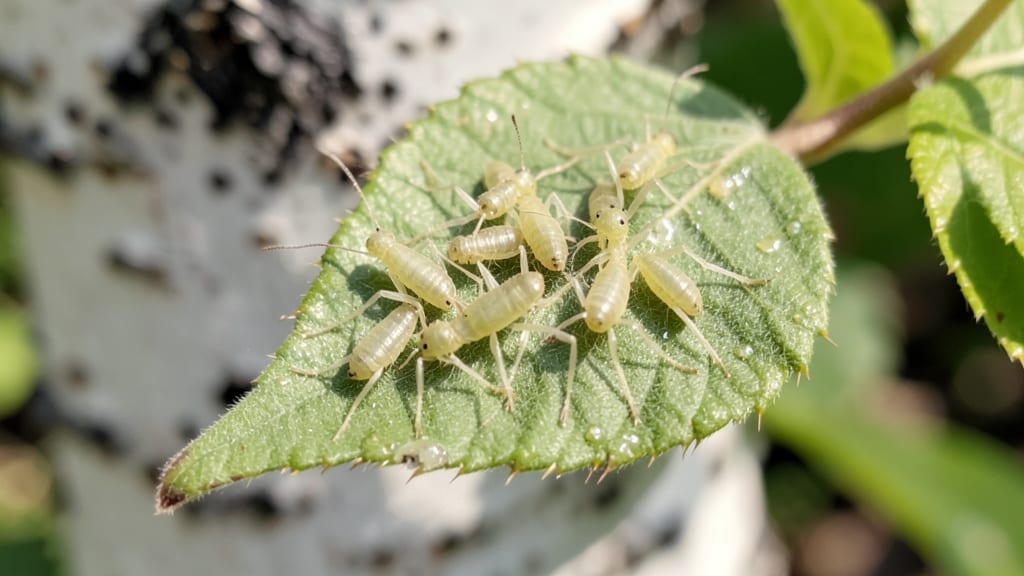
Birch tree aphids turn your graceful birch into a sticky, leaf-curling mess faster than you can say "sap-sucking pests." 🌳 I've battled these tiny green invaders on my white birch, and I'm sharing the fast-acting…
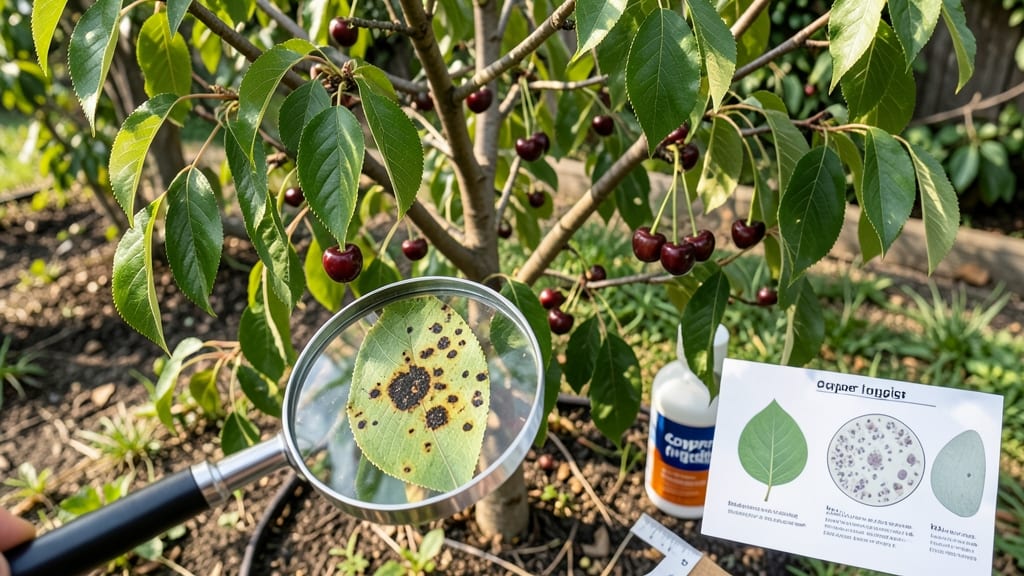
Black spots on cherry tree leaves mean your tree is fighting a fungal battle—and it’s winnable. 🌿 I’ve seen this disease turn vibrant foliage into a sad, spotted mess, but the right steps can bring those leaves back to…
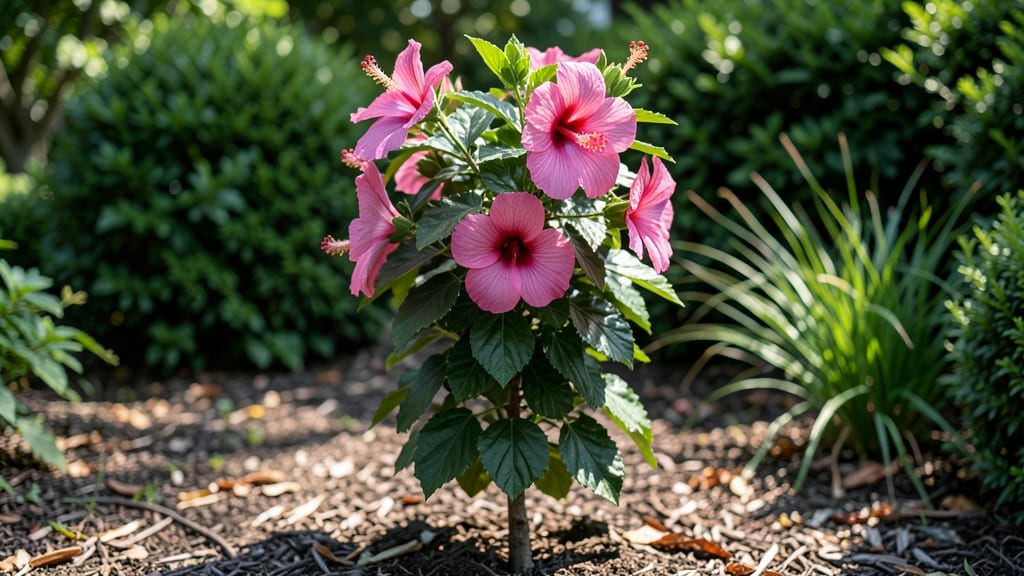
💥 Quick Answer The ideal hibiscus tree temperature range spans 60°F to 90°F during the day and 50°F at night , thriving in USDA zones 4-11. Hardy varieties endure brief dips to 25°F , while tropical types need…
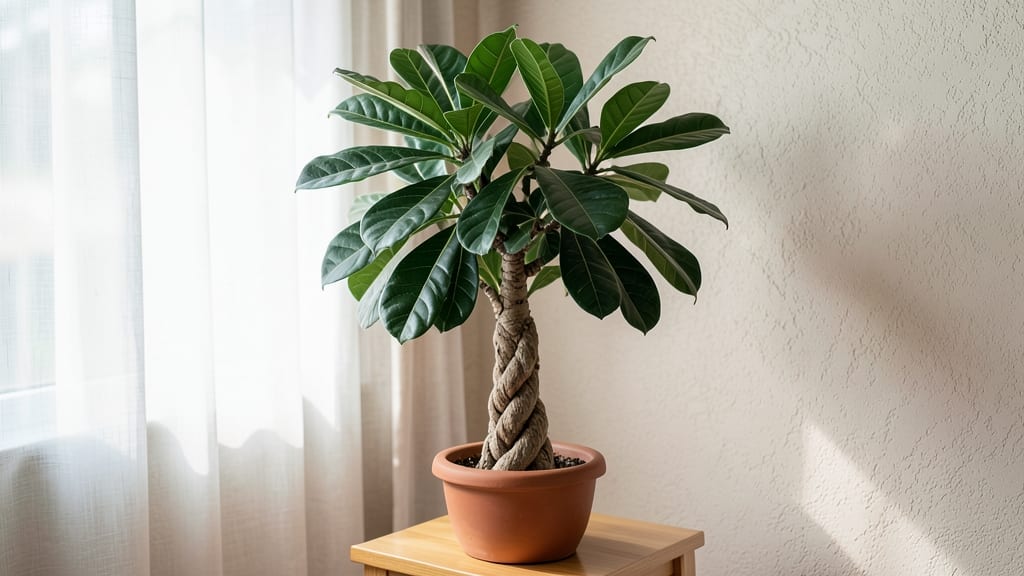
A money tree grows 3 to 10 feet tall indoors, depending on its variety and care—but most people never let theirs get that big. If you’ve ever wondered whether your Pachira aquatica will stretch toward the ceiling or stay…
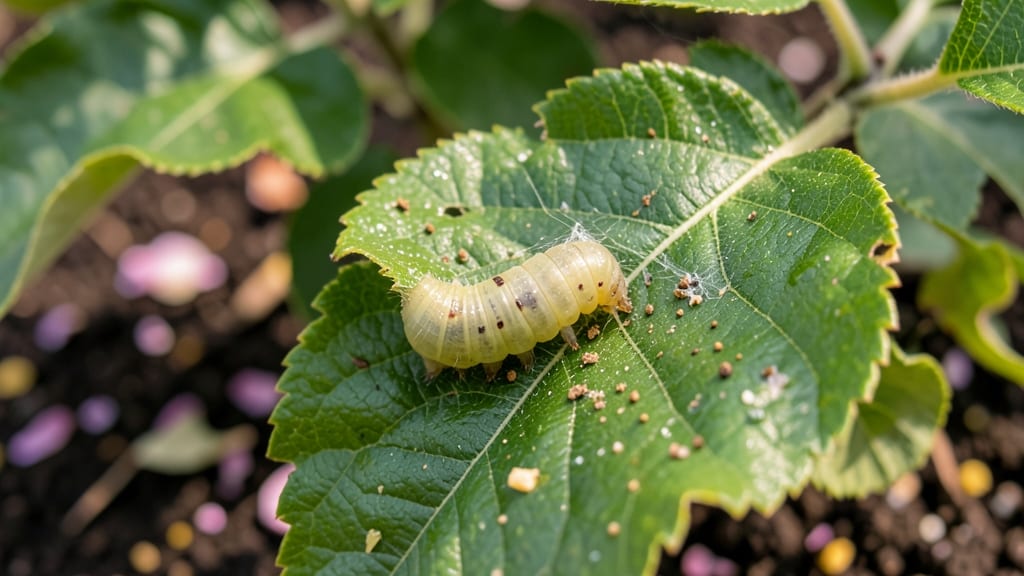
When insects on apple tree leaves turn your harvest into a pest battleground, fast action is your best defense. 🌿 I’ve battled aphid swarms, spider mite webs, and leafhopper scars—each one stealing nutrients that…
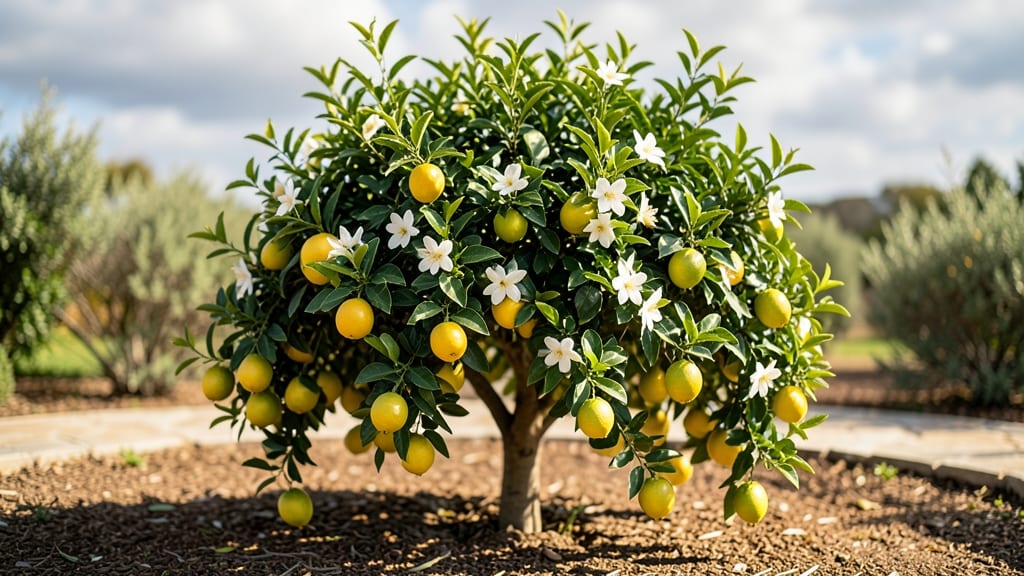
Growing a Meyer lemon tree in USDA Zones 8a-10b is absolutely possible with the right strategies—even if your winters aren’t exactly Mediterranean. You’ve probably heard that citrus thrives only in warm climates, but…
Deciding between a monkeypod tree and mimosa comes down to growth habits and pruning needs—both thrive but demand different approaches. 🌿 The monkeypod’s feathery foliage and drought resistance make it a low-maintenance…