
Diseases
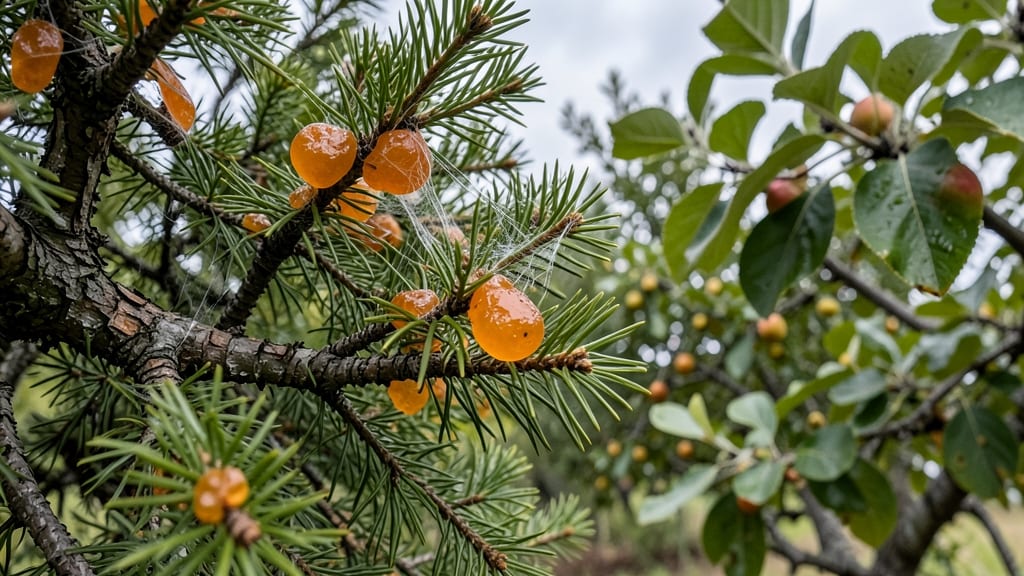
Tennessee’s diverse forests hide silent fungal threats lurking in tree leaves. Spotting these early can save your yard’s trees—here are 10 critical diseases to watch for before they devastate your landscape.
Black Walnut Leaf Spot
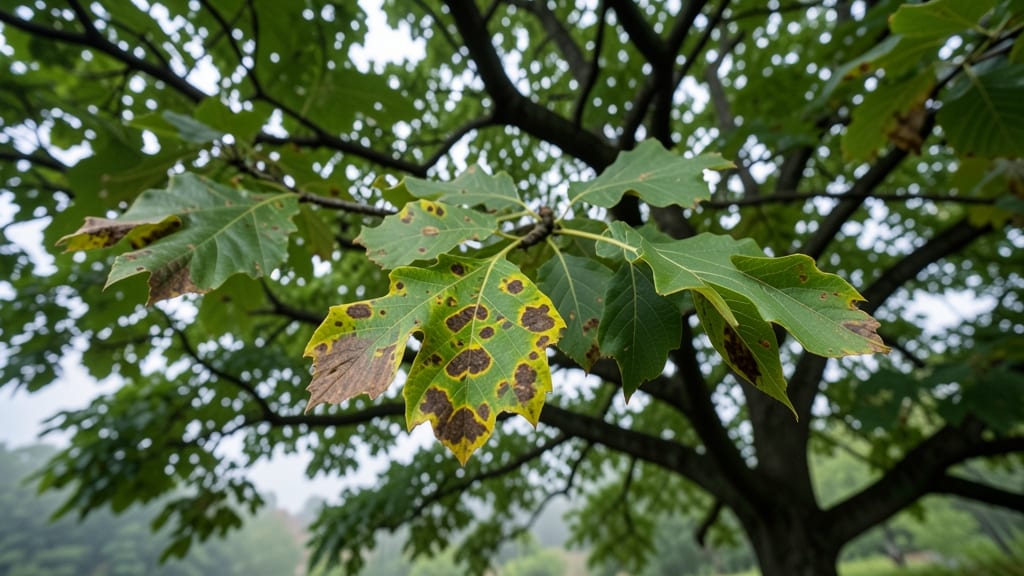
If your black walnut tree’s leaves are developing dark brown spots with bright yellow halos, you’re likely dealing with black walnut leaf spot—a fungal disease that thrives in Tennessee’s humid summers. This condition often goes unnoticed until late summer when leaves begin dropping prematurely, weakening the tree’s overall health.
Look for round, dark spots (1/8 to 1/4 inch wide) surrounded by yellow rings on the upper leaf surface. The fungus spreads quickly in wet conditions, so prune and remove infected leaves immediately to prevent further spread. Fungicides containing copper or chlorothalonil can help, but early detection is key to saving your tree before defoliation occurs.
Homeowners with black walnut trees in their yards should monitor foliage closely during June and July, as this is when the disease typically peaks. Catching it early makes all the difference! 🌿
Anthracnose on Oak Trees
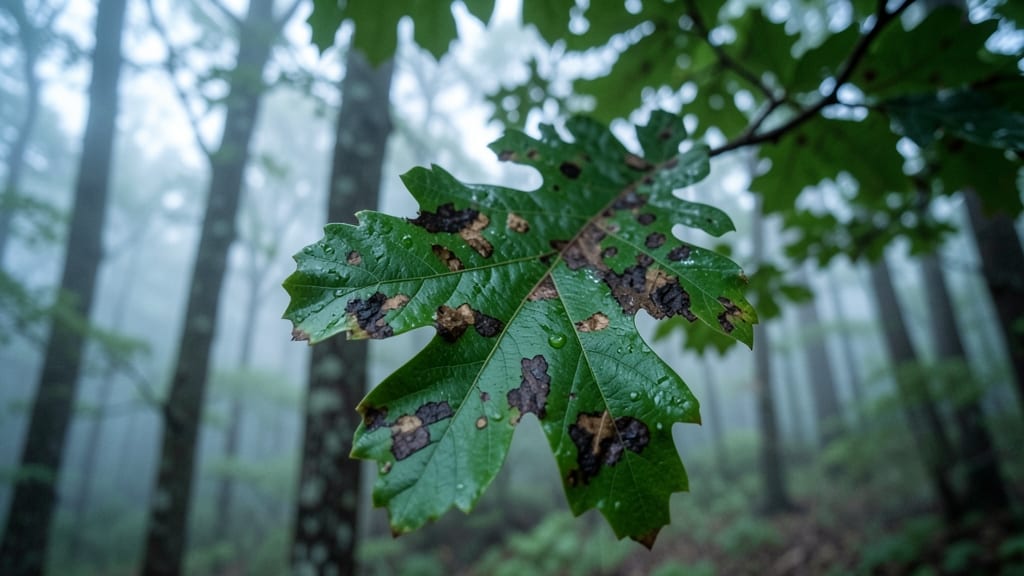
If your oak trees suddenly develop dark, irregular patches on their leaves this spring, anthracnose might be the culprit. This fungal disease is especially aggressive in Tennessee’s wet springs, where moisture fuels its spread and can lead to severe defoliation if left unchecked.
Look for tan or brown lesions with darker edges, often appearing on younger leaves first. The disease thrives in damp conditions, so improving air circulation around trees and avoiding overhead watering can help. Fungicides containing copper or chlorothalonil are effective treatments, but act quickly—young oaks are most vulnerable. Prune and dispose of infected leaves to prevent further spread.
Oak lovers and homeowners with mature trees should monitor for this disease annually, especially after prolonged rain. Early intervention can mean the difference between a healthy canopy and a struggling tree. 🌿
Apple Scab on Crabapple Trees
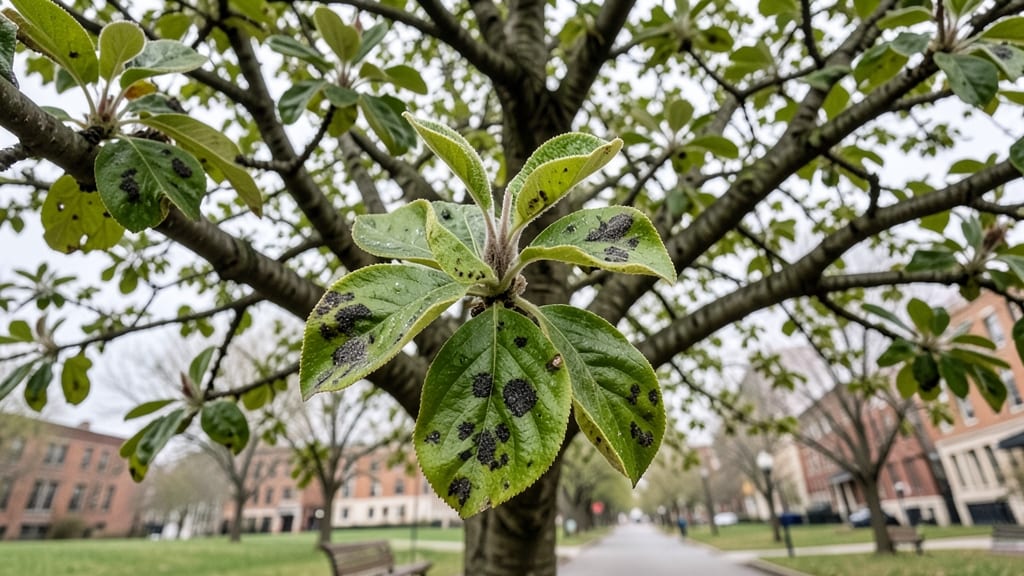
If your ornamental crabapple tree leaves are developing olive-green spots that darken to black, you’re likely dealing with apple scab—a common fungal disease in Tennessee’s urban landscapes. This disease thrives in wet, humid conditions, making it a frequent visitor to city parks and residential yards where crabapples are planted for their striking blooms and fall color.
The key to spotting apple scab is its distinctive velvety texture on the upper leaf surface, which later turns black and crusty. Unlike other fungal diseases, apple scab often appears on both leaves and fruit, though ornamental varieties focus on leaf damage. To manage it, apply a fungicide with copper or sulfur during bud swell in early spring, and repeat every 7-10 days during wet periods.
Urban gardeners and homeowners with crabapple trees should monitor leaves closely after rainy springs—this disease spreads rapidly when conditions are moist. Early intervention keeps your tree looking its best year-round. 🌟
Pine Needle Cast on Eastern White Pine
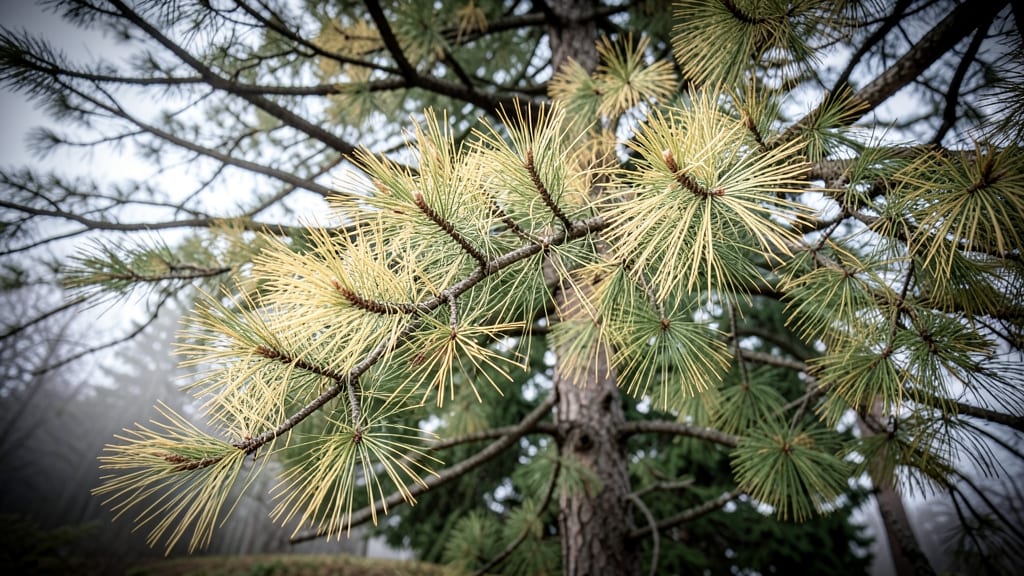
If your Eastern white pine needles are turning yellow but staying attached to branches, you’re likely dealing with pine needle cast—a fungal disease that thrives in Tennessee’s humid climate. Unlike many tree diseases, this one targets conifers, leaving a telltale sign of fading needles that cling long after they should have fallen.
Caused by the fungus Scirrhia acicola, pine needle cast weakens trees by blocking sunlight to inner needles. The disease spreads through wet, warm conditions, so prune infected branches in late winter or early spring before spores spread. Fungicides like copper-based sprays can help, but prevention—like improving airflow and avoiding overhead watering—is key.
This disease is especially dangerous for young pines, so landowners and forest managers should monitor their trees closely. Early action can save your pines from irreversible damage. 🌱
Powdery Mildew on Dogwood Leaves
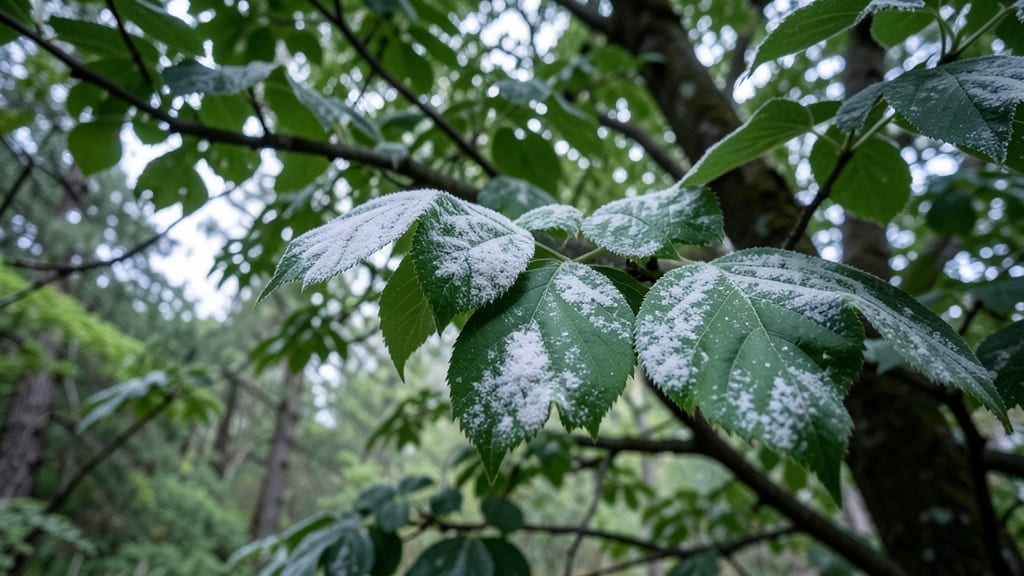
If your dogwood leaves are developing a white, powdery coating—especially in shaded spots—you’re likely dealing with powdery mildew, a common fungal foe in Tennessee’s humid climate. This disease thrives in low-light conditions, often appearing in gardens and parks where airflow is restricted.
To combat it, prune affected leaves in late winter or early spring to improve air circulation, and apply a fungicide (like neem oil or sulfur spray) during dormant season for prevention. Avoid overhead watering, as wet foliage encourages spore growth. Dogwoods weakened by mildew may produce fewer flowers, so early action preserves their beauty. 🌱
Rust Diseases on Sourwood Trees
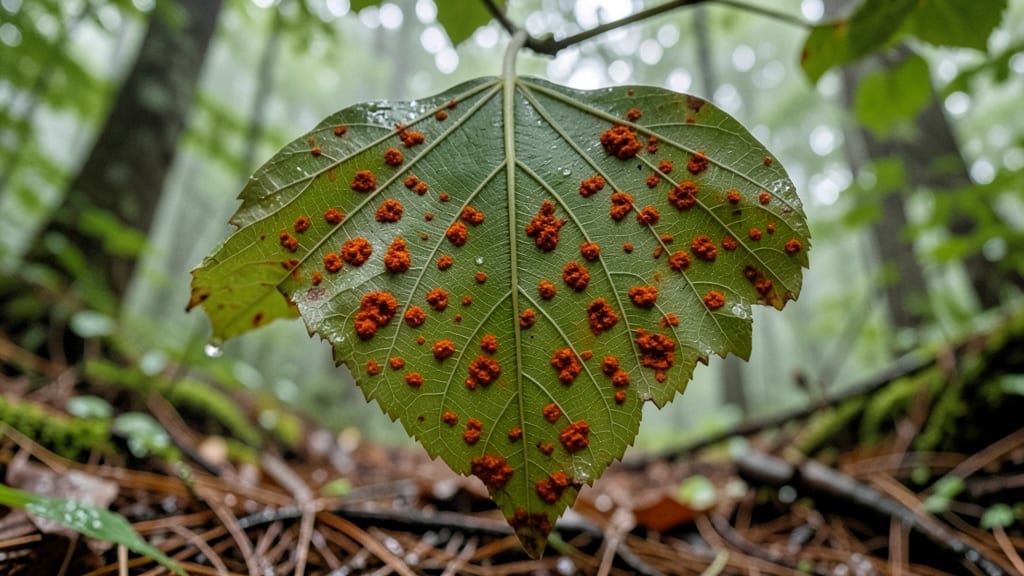
If your sourwood trees in Tennessee’s high-elevation forests are showing unexpected orange spots, you’re likely dealing with rust diseases. These fungal infections create bright orange pustules on leaf undersides, a telltale sign that’s easy to miss until the damage spreads—often during the humid summer months.
Rust diseases thrive in moist conditions, so early detection is key. Flip leaves to check for these gelatinous pustules, which release spores that can infect nearby plants. Prune and dispose of infected leaves promptly, and avoid overhead watering to reduce humidity around the canopy. Fungicides containing copper or neem oil can help manage outbreaks.
This issue is especially critical for landowners in the Appalachian region, where sourwood trees are prized for their fall color and honey production. Act fast to protect both the tree’s health and your forest’s beauty. 🌟
Tulip Tree Leaf Blight
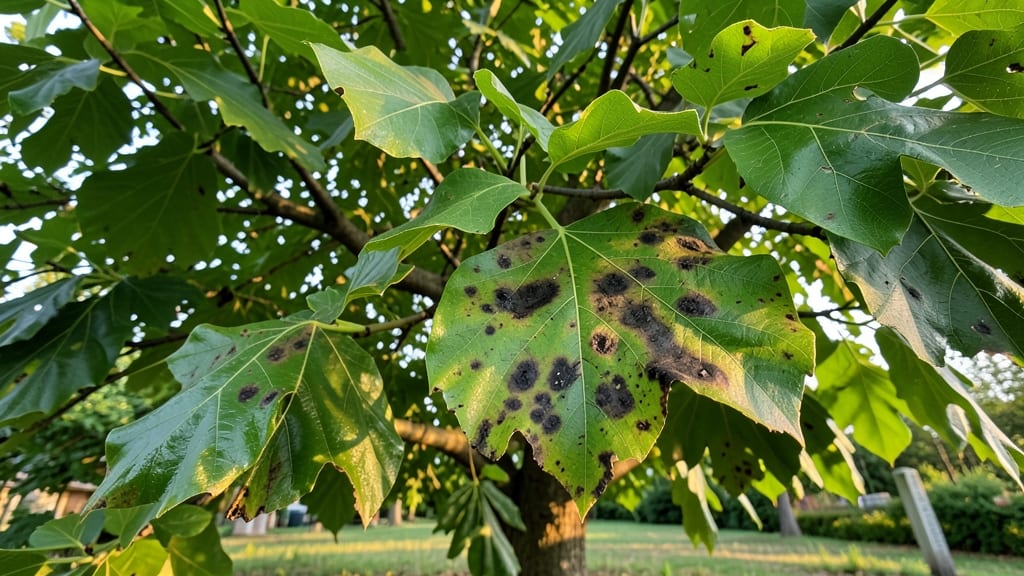
If you’ve ever glanced at your tulip poplar leaves and shrugged off dark, greasy-looking spots as just dirt or weather damage, think again. Tulip tree leaf blight often hides in plain sight until it’s too late—causing branches to wither by late summer when you notice the real damage.
This fungal disease thrives in Tennessee’s humid summers, creating irregular black or brown patches that feel slightly oily to the touch. Unlike other leaf spots, it spreads quickly along veins, turning leaves yellow before they drop prematurely. The key to stopping it? Act fast—prune infected branches in dry weather and apply a copper fungicide before spores spread to healthy foliage.
Homeowners with mature tulip poplars in yards or urban landscapes should monitor leaves closely after heavy rains. Early intervention keeps these towering trees healthy for decades. 💚
Honeylocust Anthracnose
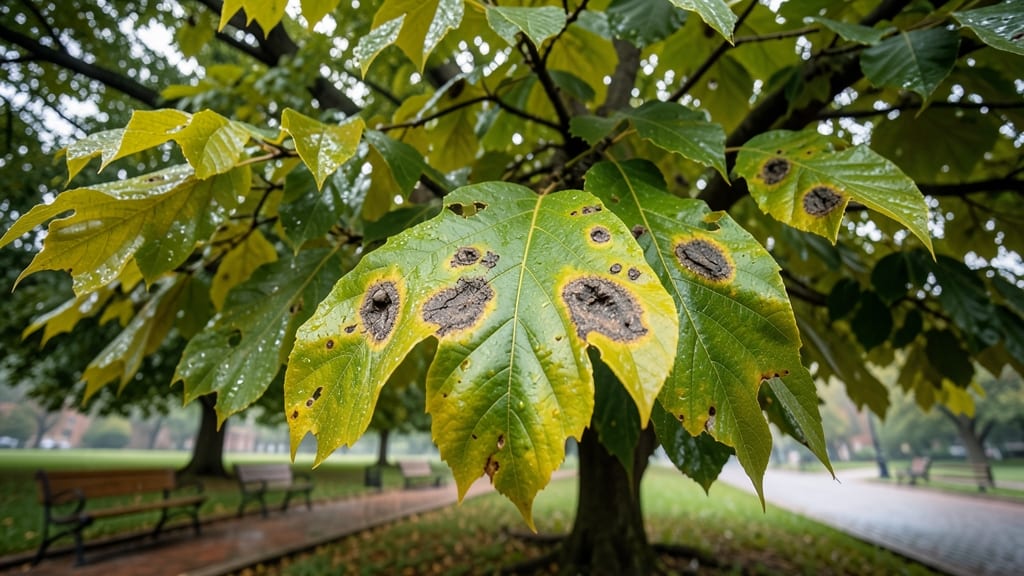
If your honeylocust trees in urban Tennessee parks or yards are developing dark, sunken lesions on their leaves, you’re likely dealing with anthracnose—a fungal disease that thrives in the region’s humid climate. This persistent issue often goes unnoticed until the tree’s health declines, making early identification key to preventing long-term damage.
The disease appears as irregular, dark brown or black sunken areas on leaves, sometimes accompanied by yellowing margins. Prune infected branches in dry weather and remove fallen leaves to reduce spores. Fungicides containing chlorothalonil or copper can help, but prevention—like improving air circulation and avoiding overhead watering—is the best defense for these shade-loving trees.
Urban gardeners and city planners relying on honeylocusts for shade should monitor trees closely during spring and fall, when conditions are most favorable for fungal growth. Catching it early keeps your trees thriving. 🌿
Boxwood Blight on Ornamental Boxwoods
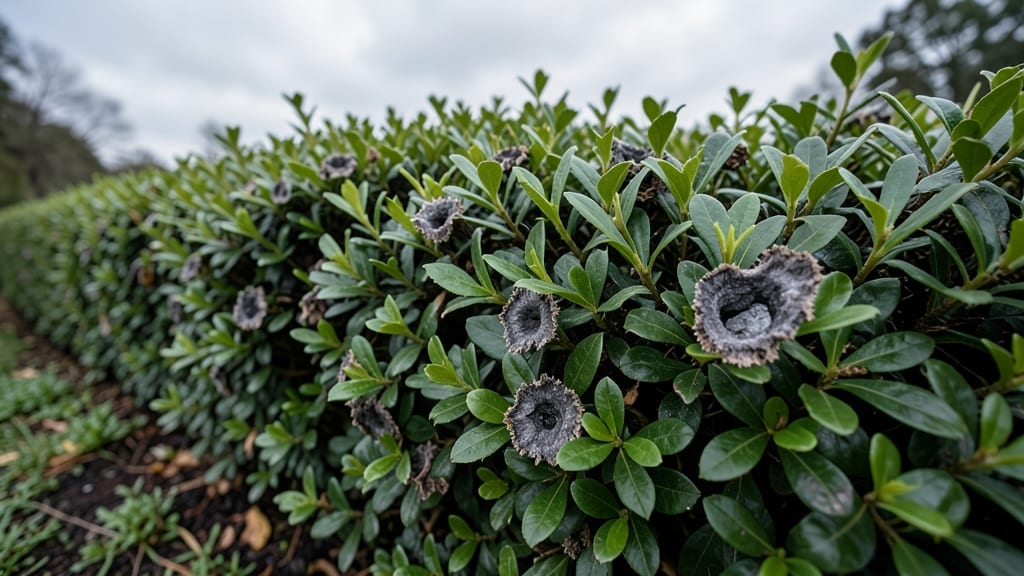
If your ornamental boxwood hedges suddenly develop dark spots with gray centers, you’re likely dealing with boxwood blight—one of the most aggressive fungal diseases in Tennessee gardens. This highly contagious pathogen spreads rapidly through water splashes and infected pruners, turning lush greenery into a patchwork of dead foliage within weeks.
Look for dark brown to black lesions with gray centers, often surrounded by a yellow halo. The disease thrives in humid conditions and can kill entire plants if left untreated. Remove infected leaves immediately, sterilize pruning tools with a 10% bleach solution, and avoid overhead watering to prevent spores from spreading. Fungicides containing chlorothalonil or propiconazole can help protect remaining plants.
Tennessee gardeners who rely on boxwoods for hedges or foundation plantings should act fast—this disease can devastate entire landscapes. Early detection and proper sanitation are your best defenses against irreversible damage. 💚
Cedar Apple Rust on Junipers

If you’ve ever spotted bright orange gelatinous spots on your junipers or nearby apple trees, you’re likely dealing with cedar apple rust—a fungal disease that thrives in Tennessee’s mixed woodlands. This unique disease requires two hosts to complete its life cycle, jumping between junipers and apple trees, which makes it especially tricky to manage.
The gelatinous orange pustules appear on juniper needles in spring, then spread to apple tree leaves as yellow, scab-like spots by summer. Prune infected juniper branches in late fall or winter (when spores are dormant) and remove fallen leaves from apple trees to reduce spread. Fungicides containing copper or sulfur can help protect apple trees during wet springs, when spores are most active.
This disease is a must-know for landowners with both junipers and apple trees on their property, as it can weaken trees over time. Keep an eye out for those telltale orange spots—early action can save your trees from long-term damage. 🌿