
Lawn
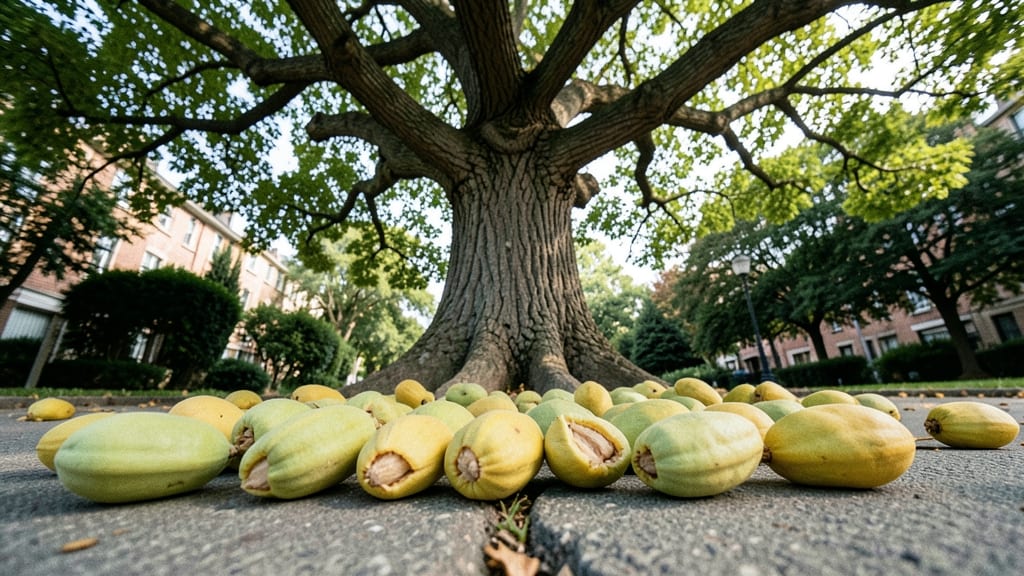
Struggling to identify trees by their seed pods? These 10 distinctive pods offer visual clues that make species recognition effortless, even for beginners. Perfect for gardeners, hikers, and nature enthusiasts eager to decode the secrets of their surroundings.
Maple Helicoid Seed Pods

Watch your backyard transform into a whirlwind of nature's helicopters when maple tree seed pods—or samaras—take flight in autumn. These iconic spiral-shaped pods are one of the most recognizable seed forms, instantly revealing whether you're looking at a sugar maple, red maple, or silver maple.
Each pod consists of two winged seeds attached at a 180-degree angle, creating a perfect helicopter-like shape that spins gracefully in the wind. The wings help disperse seeds efficiently, while the seed's size and wing shape vary slightly by species—sugar maples produce larger, broader wings, while red maples have smaller, more delicate ones. Collect them in late summer or early fall when they're ripe and ready to fall.
These pods are a gardener's dream for identifying maples without needing leaves or bark. Plus, they're a fun way to teach kids about tree biology and seed dispersal. 🌱
Oak Acorn Pods with Spiny Caps
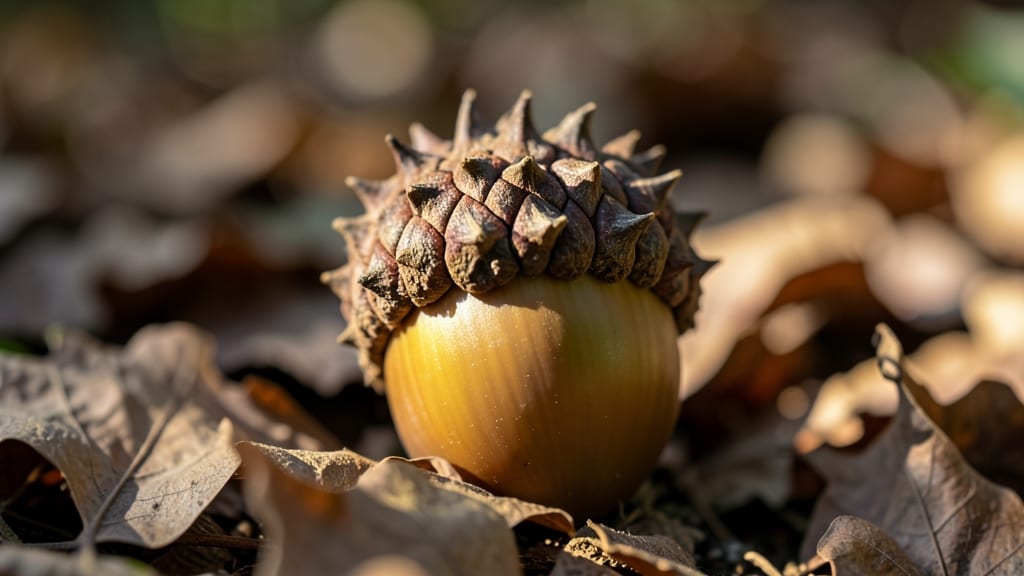
If you’ve ever spotted an acorn and wondered whether it came from a white oak or red oak, look no further than the spiny cap—this miniature pinecone-like structure is your key to telling them apart. Unlike the sleek, smooth acorns of maples, oak acorns feature a woody husk that clings tightly to the nut, acting like nature’s protective helmet.
The cap’s texture and shape hold the secret: white oak acorns have flatter, shallower caps with a smoother texture, while red oak caps are deeper, more rounded, and often appear slightly burlier. These caps also help the acorn roll away from the parent tree, improving germination chances. Collecting a few in fall lets you practice distinguishing them—just remember, red oak acorns take two years to mature, while white oaks are ready in one.
This trick is especially useful for landscapers and foresters who need to identify oak species quickly, but even casual gardeners will appreciate how these spiny caps reveal oak secrets at a glance. 🌱
Pinecone Seed Pods with Scaly Bracts
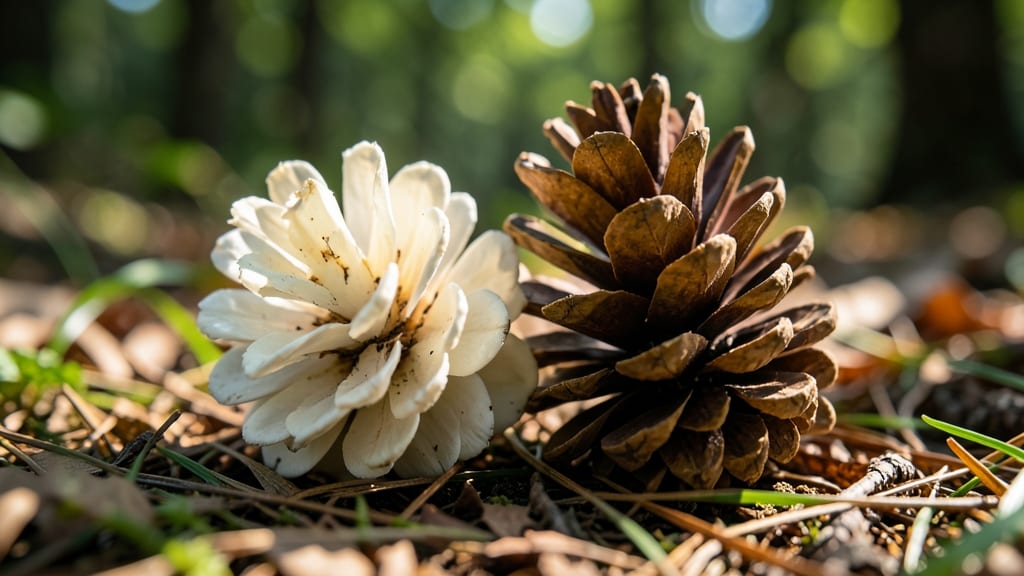
Ever wonder how to tell a pine tree from a spruce just by looking at their seed pods? The answer lies in those intricate scaly bracts—the tiny, overlapping structures that give pinecones their signature texture and shape.
Pinecones range from soft, flexible (like those of white pine) to hard, rigid (such as red pine or spruce cones), with scales that can be smooth, prickly, or even resinous. The size alone is a clue: white pine cones are long and slender, while spruce cones are shorter and rounder. Collect a few and compare—their unique shapes and textures are your key to identifying these evergreens.
This skill is especially useful for landscapers and forest gardeners, who can use cones to verify tree species before planting. Plus, dried pinecones make stunning natural decor—just a bonus! 🌟
Dandelion Clock Seed Pods
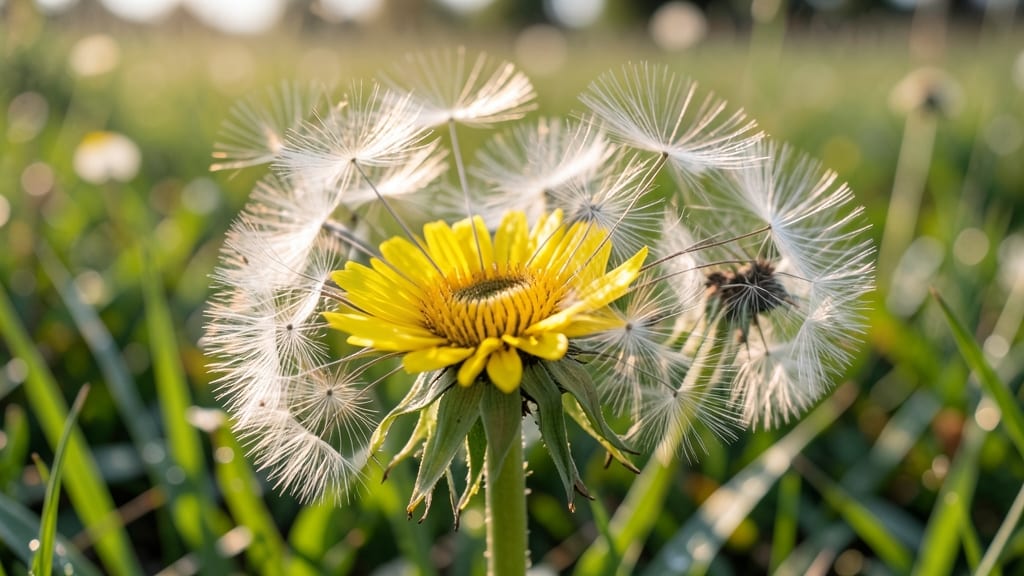
Spot those white puffballs dancing in spring breezes? Those are dandelion seed pods, nature’s most recognizable "clocks" that bloom before leaves even appear. Unlike tree pods, these cheerful invaders are easy to identify by their fluffy seed heads and bright yellow flowers.
Each pod contains hundreds of tiny seeds with parachute-like tufts, designed for wind dispersal. Look for them in lawns, cracks in pavement, and disturbed soil—they thrive where other plants struggle. The key to ID is timing: spot them in early spring when they’re the first bright splash of color.
Great for beginners, these pods teach you to observe plant cycles. Just avoid blowing them away—they’re a fun way to learn about seed dispersal! 🌱
Sweetgum Spiky Seed Pods
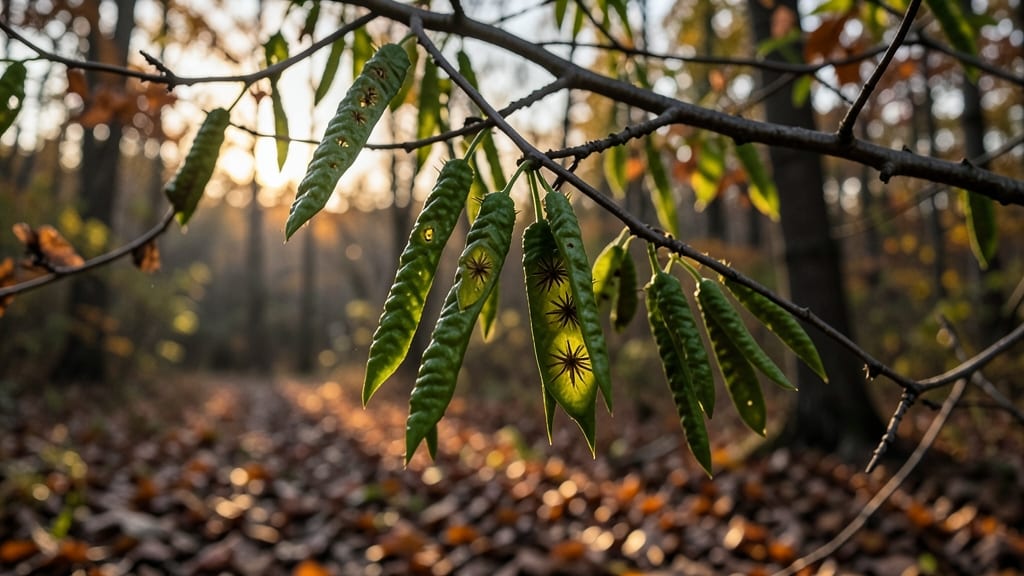
If you've ever walked through a forest in autumn and spotted clusters of spiky green pods clinging to trees, you've likely encountered sweetgum seed pods—one of nature's most dramatic seed dispersal systems. These distinctive pods are packed with star-shaped seeds that can become a nuisance on lawns but also make for fascinating identification practice.
The sweetgum (Liquidambar styraciflua) produces these 1.5- to 2-inch-long pods covered in sharp, thorn-like spines, designed to deter animals from eating them. When mature, the pods split open to release six-winged star-shaped seeds that flutter to the ground. Look for these pods in late summer to autumn, often found in clusters along forest edges or urban landscapes where sweetgums thrive.
Gardeners in the Southeastern U.S. will recognize these pods as a common sight, but they’re also great for year-round identification practice—just collect a few in fall and observe their transformation. The pods' unique shape makes them a standout feature for tree identification and a fun challenge for budding botanists. 🌟
Honey Locust Flat Pods
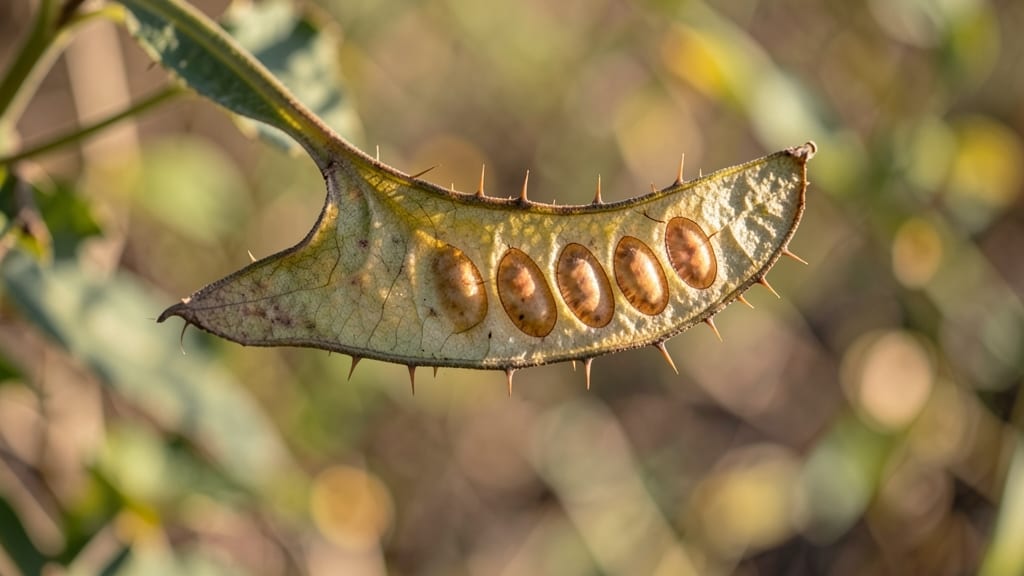
If you’ve ever spotted a flat, elongated pod with tiny thorns and wondered if it’s mesquite or something else, you’re likely looking at a honey locust seed pod. Unlike its desert cousin, the honey locust’s pods have a distinctive curved seed arrangement that sets them apart.
The pods grow 6–12 inches long, turning from green to brown as they dry, and often split open to reveal rows of small, curved seeds. Look for the thorny branches—a key identifier—since honey locust trees develop sharp, paired thorns along their limbs. These pods are common in urban landscapes and parks, especially in the eastern U.S.
Gardeners and naturalists can use these pods to identify honey locust trees, which are prized for their fast growth and drought tolerance. Just be cautious—the thorns make handling them a bit tricky! 🌿
Magnolia Cone-Shaped Seed Pods
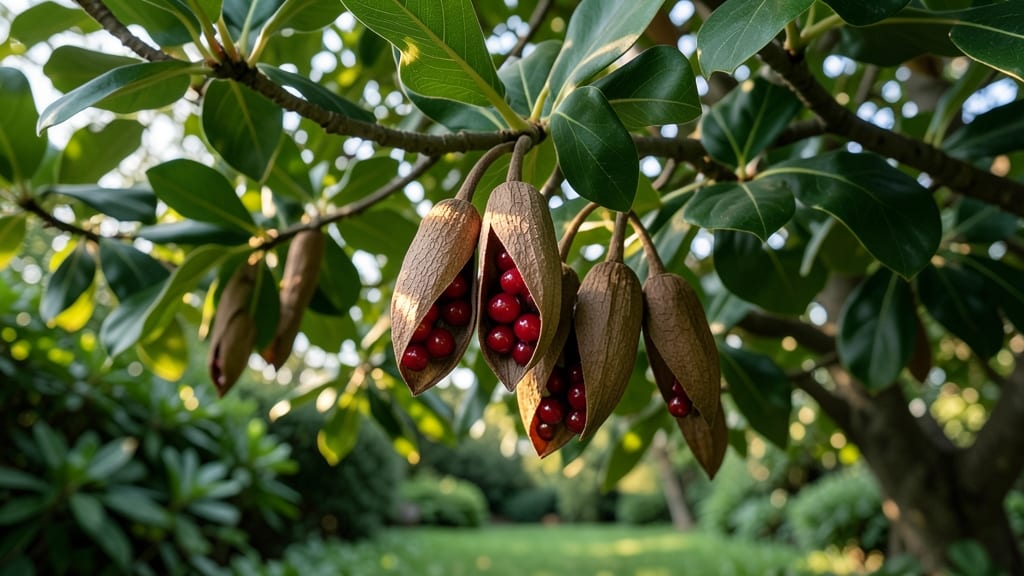
Late summer transforms your garden into a living gallery when magnolia trees reveal their cone-shaped seed pods, splitting open to expose bright red seeds that look like tiny jewels. These pods are nature’s way of announcing the tree’s maturity, offering a dramatic contrast against the lush green foliage.
Look for woody, cone-like structures that form after the tree’s iconic flowers bloom in spring. The pods typically measure 2-4 inches long and turn from green to a rich brown as they dry. Once mature, they split along their sides, revealing the vibrant red seeds inside—a striking feature that makes them easy to spot among fallen leaves. If you’re trying to identify a magnolia tree, these pods are your best clue, especially since they persist well into autumn.
Gardeners and nature lovers will appreciate how these pods add visual interest to the landscape, while birdwatchers may notice that the seeds attract wildlife. Perfect for urban and suburban gardens, magnolias thrive in well-drained soil and partial shade, making them a low-maintenance yet stunning addition. 🌻
Elm Samara Seed Pods
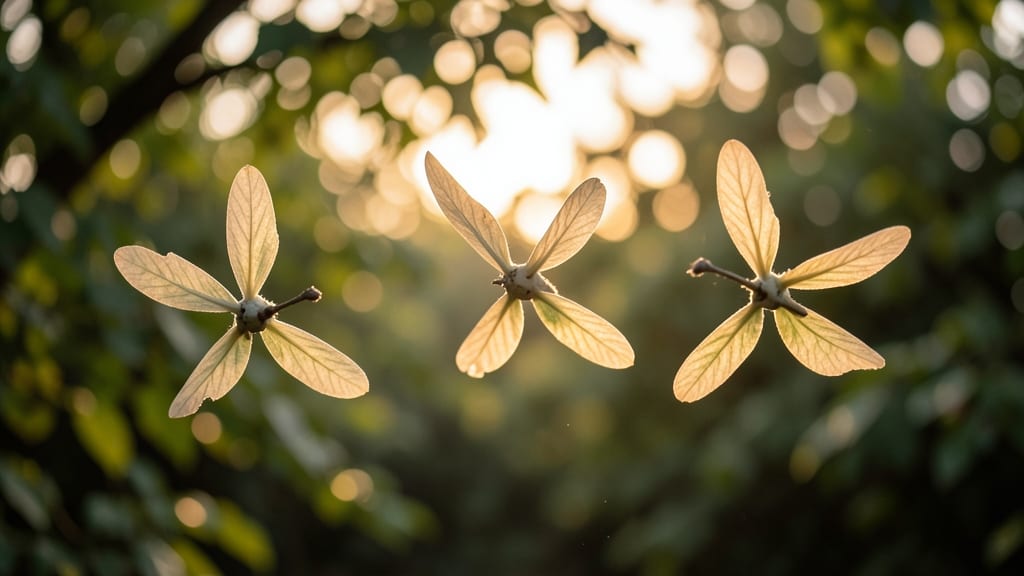
Watch for the double-winged samaras that flutter like tiny helicopters—these are the unmistakable elm seed pods! Unlike other seed pods, elm samaras have two wings instead of one, creating a distinct spinning motion when they fall. This unique feature helps you tell apart American elm (native) from Siberian elm (invasive), which has broader, less symmetrical wings.
American elm samaras have narrower wings and often grow in clusters, while Siberian elm samaras are wider and more robust. Both ripen in late summer to early fall, making autumn the perfect time to spot them. Collect a few to study their shape—this simple trick helps gardeners and foresters monitor invasive species before they spread.
For urban gardeners, learning to identify these pods helps you support native ecosystems while avoiding the spread of Siberian elm, which can outcompete local trees. Keep an eye out for these fluttering wonders next time you're outside! 🌟
Catalpa Balloon-Like Seed Pods
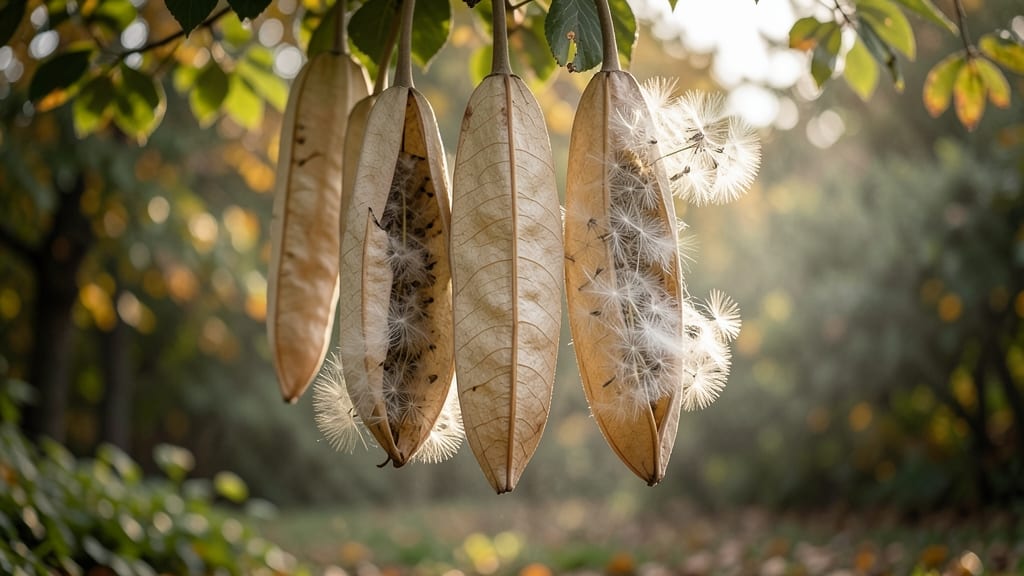
If you’ve ever spotted a tree with balloon-like seed pods that split open to reveal fluffy, cottony seeds, you’re looking at a catalpa tree. These pods—often called "cigar pods"—resemble oversized dandelion clocks, making them a striking (and easy to spot) feature in late summer and fall.
The pods grow 8–12 inches long and start green before turning brown and splitting open vertically. Inside, you’ll find hundreds of tiny, cotton-covered seeds that catch the wind like miniature parachutes. This unique dispersal method helps catalpas spread widely, and the pods often persist on branches long after the seeds have gone airborne.
Gardeners and nature lovers will appreciate how these pods add dramatic texture to landscapes, especially when dried. Plus, they’re a great way to identify catalpa trees—whether you’re planting one for its fast growth or simply admiring their whimsical appearance. 🌻
Ginkgo Fan-Shaped Seed Pods

If you’ve ever spotted a tree dropping strange, foul-smelling plum-like pods in the city, you’re likely looking at a ginkgo tree. These unique seed pods are one of the most recognizable (and pungent) features of Ginkgo biloba, a living fossil that thrives in urban environments.
The pods start green and fleshy but turn yellow and emit a strong, unpleasant odor when ripe—earning them the nickname "stinky tofu" in some cultures. Each pod contains a single fan-shaped seed, which can be roasted and eaten (though the outer flesh is typically discarded). Ginkgo trees are dioecious, meaning male and female trees produce different pods—only females bear these distinctive seed pods.
Urban gardeners and city dwellers will recognize these pods as a signature of mature ginkgo trees, often planted for their disease resistance and tolerance of pollution. If you’re trying to identify trees in a city park, these pods are a dead giveaway! 🌟