I’ve always had a green thumb, though I’ll admit my earliest gardening ‘experiments’ were more about convincing my parents to let me grow weeds in the backyard than anything else. Now, I’m here to share the joy of cultivating plants—whether it’s coaxing life from a stubborn seed or troubleshooting why your tomatoes refuse to ripen. This site is my way of paying forward the lessons I’ve learned from dirt-stained hands, trial and error, and the quiet satisfaction of watching something grow.
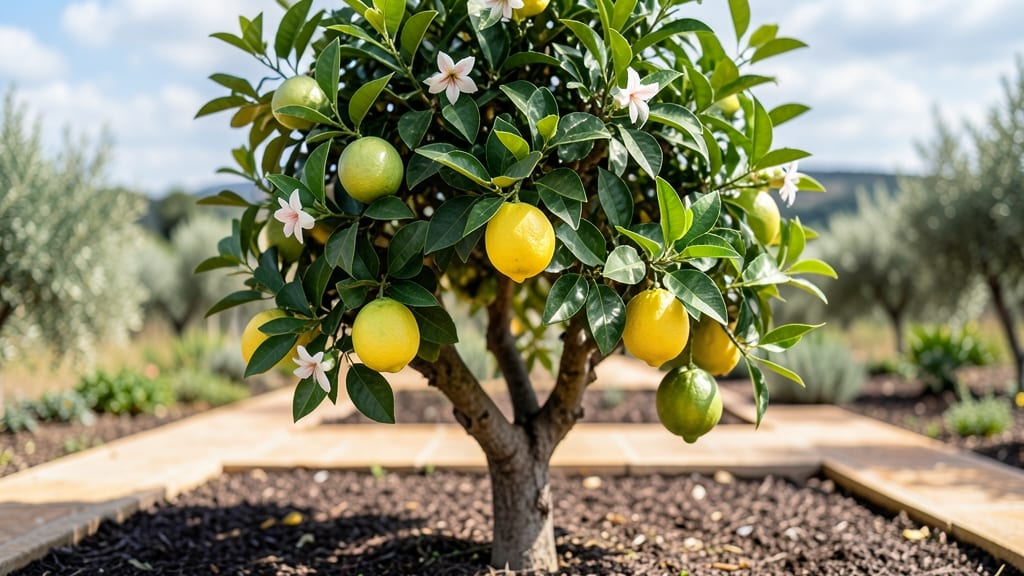
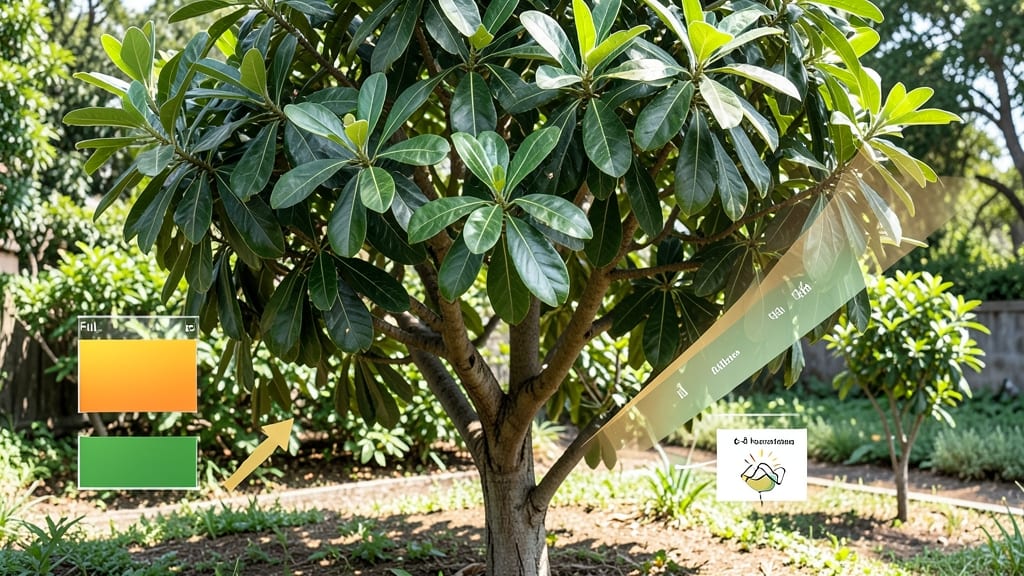
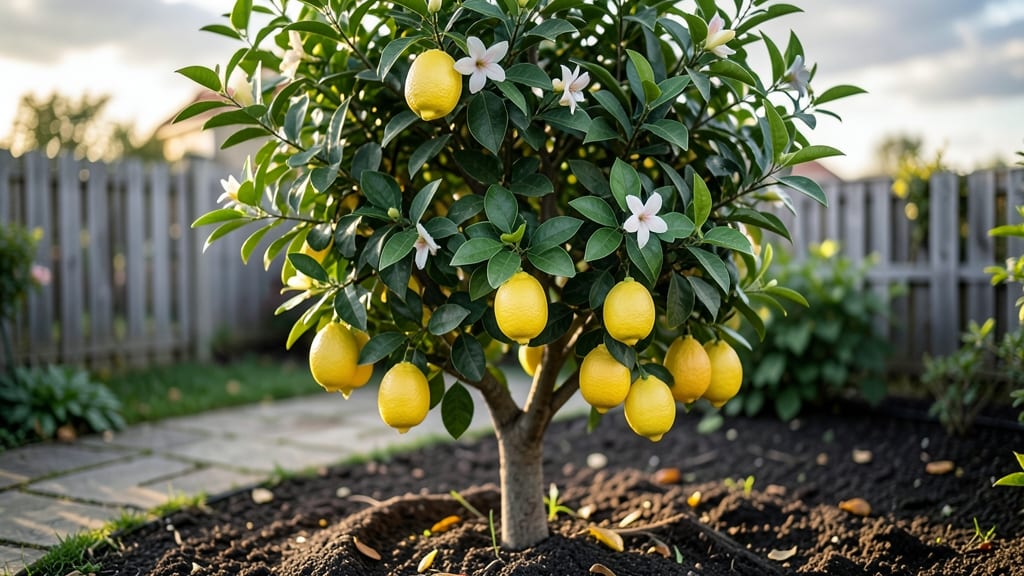
A Eureka lemon tree’s height can soar to 15–20 feet if left unchecked 🍋 — but with the right pruning, you can keep it under 12 feet while maximizing fruit and airflow. If your Eureka lemon tree is reaching for the sky…
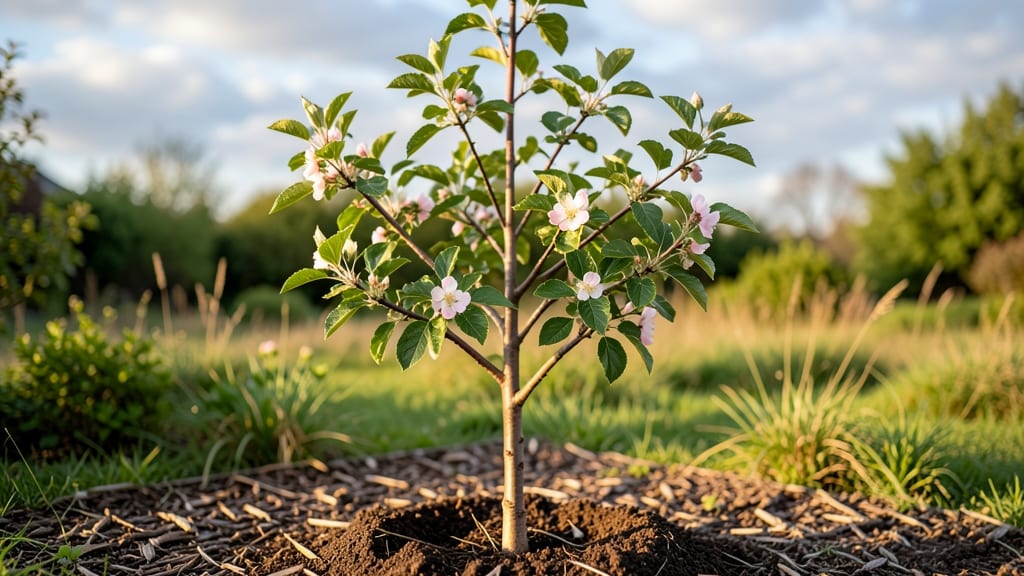
💥 Quick Answer A young apple tree looks like a slender, upright sapling with smooth, light gray bark and small, oval-shaped leaves that are dark green and slightly serrated. Its branches grow in a vase-like shape, and…
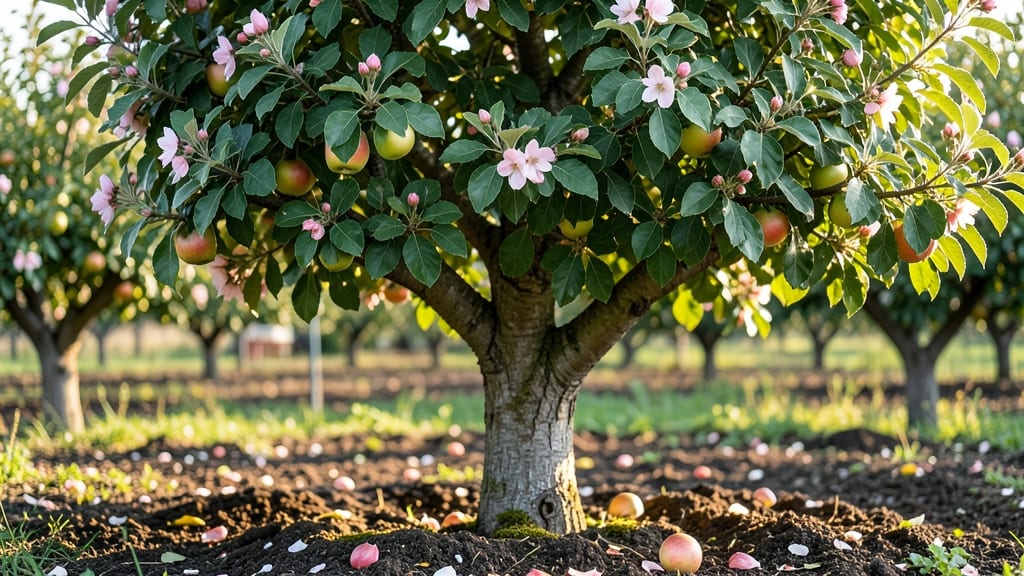
💥 Quick Answer An apple tree typically takes 4 to 7 years to bear fruit, though dwarf varieties may produce fruit in as little as 2–4 years while standard trees can take up to 10 years. The right care, grafting…
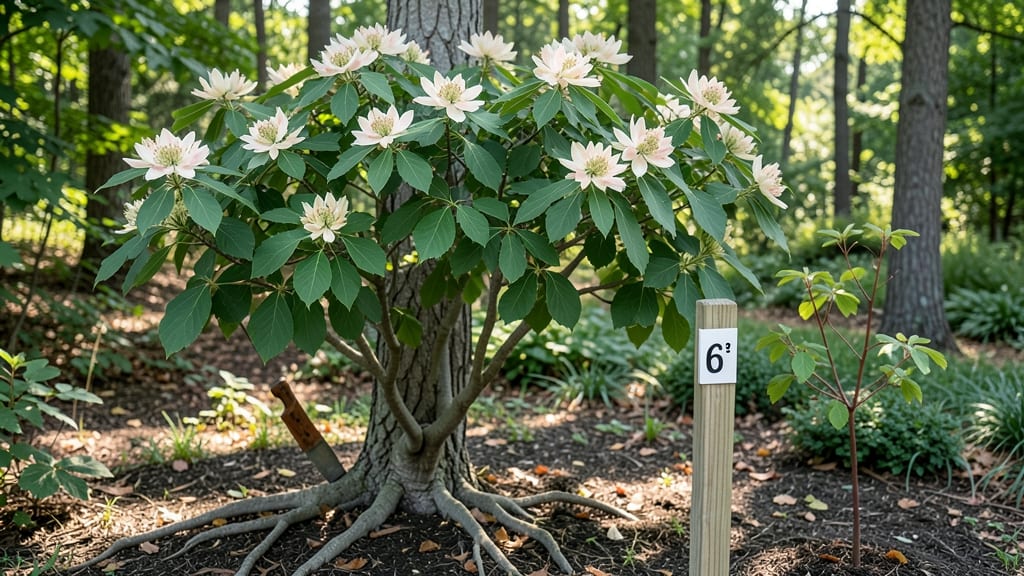
A dogwood tree grows anywhere from 10 to 30 feet tall, depending on the variety and growing conditions you provide. If you're dreaming of adding a dogwood tree to your landscape, knowing its mature height is crucial—some…
An avocado tree needs at least 6 hours of direct sunlight daily to grow strong and produce fruit, but many growers accidentally give it too little—or too much—without realizing it. Picture this: You’ve nurtured your 🥑…
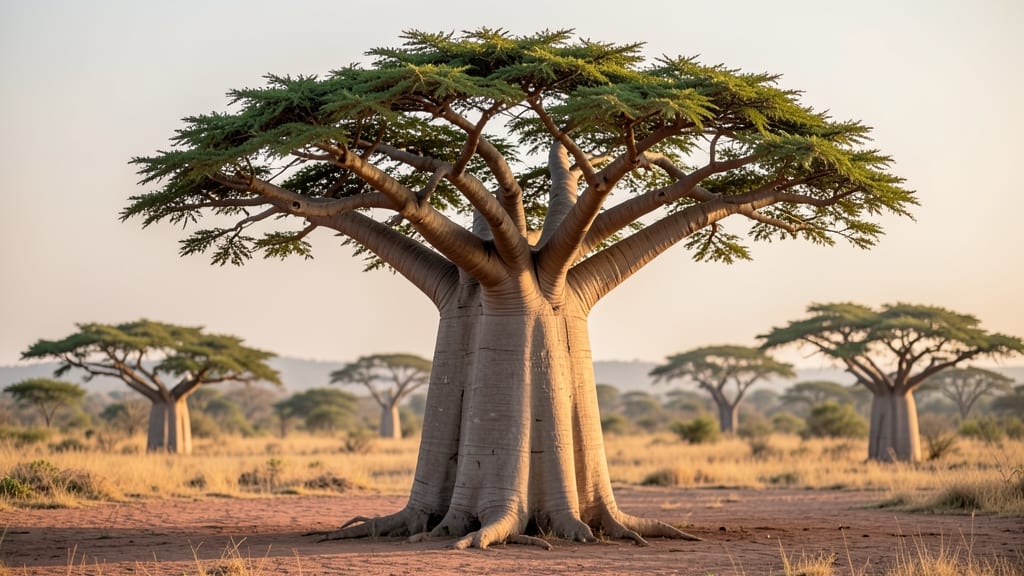
A baobab tree 🌳 can grow up to 80 feet tall—taller than a seven-story building—making it one of the most impressive trees on Earth. Standing beneath one in the wild, you’ll quickly realize why these ancient giants feel…
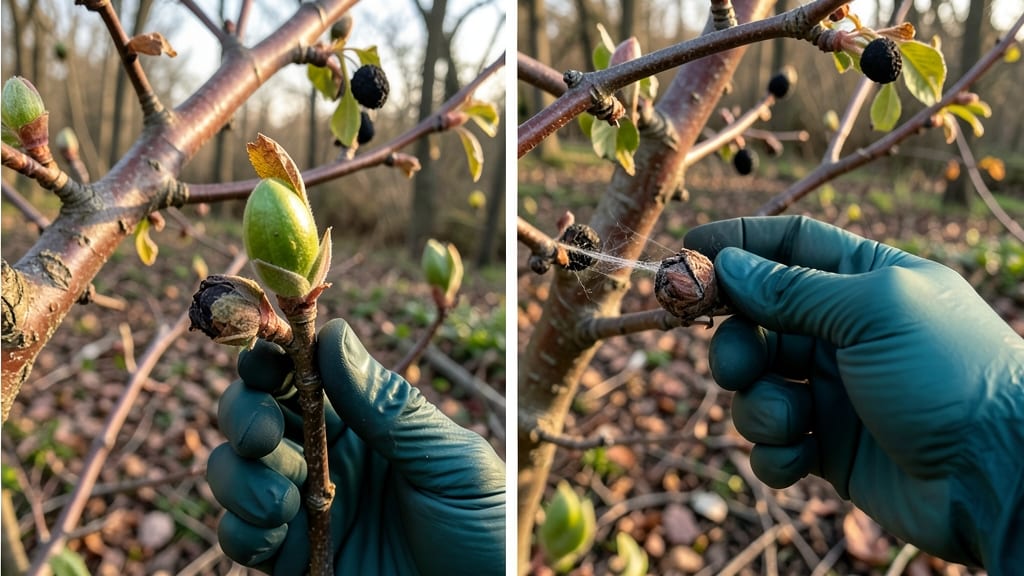
Seeing dead tree buds on your branches is like watching a garden party cancel last-minute—frustrating, but fixable. 🌿 The good news? Most bud dieback isn’t a death sentence for your tree. Whether it’s frost damage…
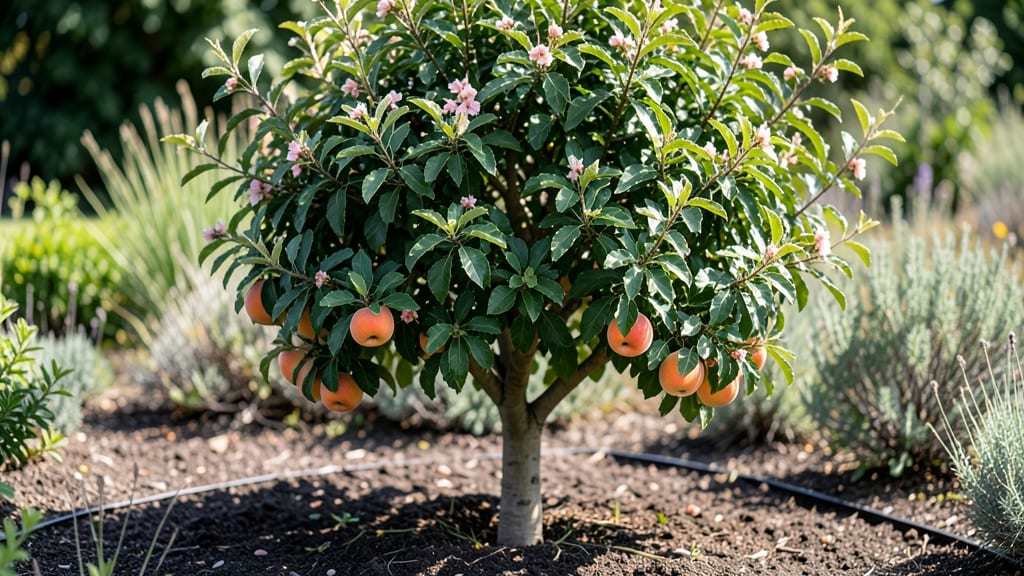
💥 Quick Answer Donut peach trees grow best in USDA Hardiness Zones 5 through 9, where winters stay above 10°F and summers reach 75°F+ . These trees need full sun exposure for at least 6 hours daily and well-draining…
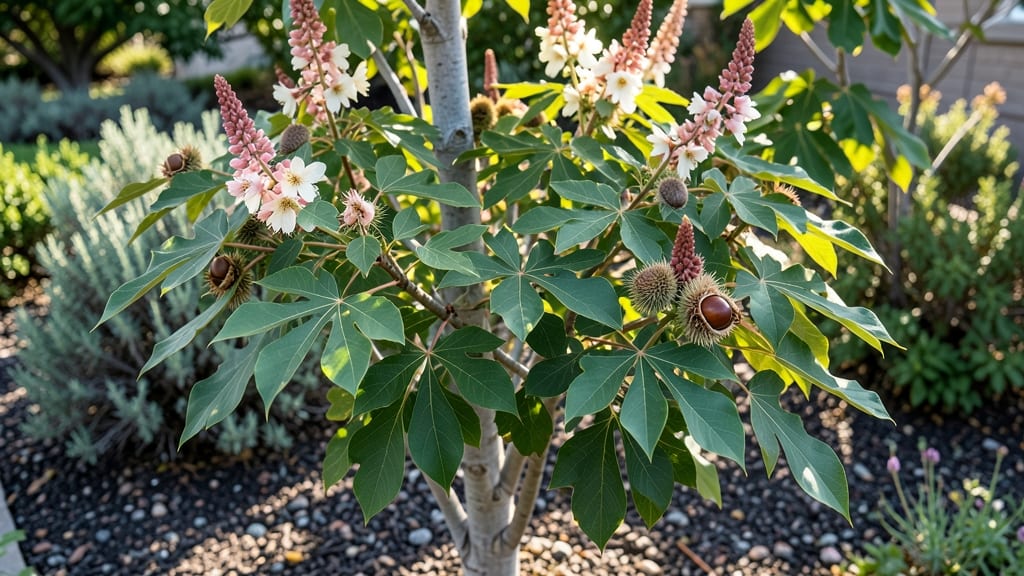
💥 Quick Answer Buckeye trees in Colorado thrive with native varieties like the Colorado buckeye ( Aesculus glabra ), which handles USDA zones 3-7, while non-native species such as horse chestnut struggle in higher…
💥 Quick Answer Growing lemon trees in North Carolina succeeds best with cold-hardy varieties like 'Meyer' or 'Eureka' planted in movable containers, since the state's USDA Zones 7-8b can't handle winter temperatures…